
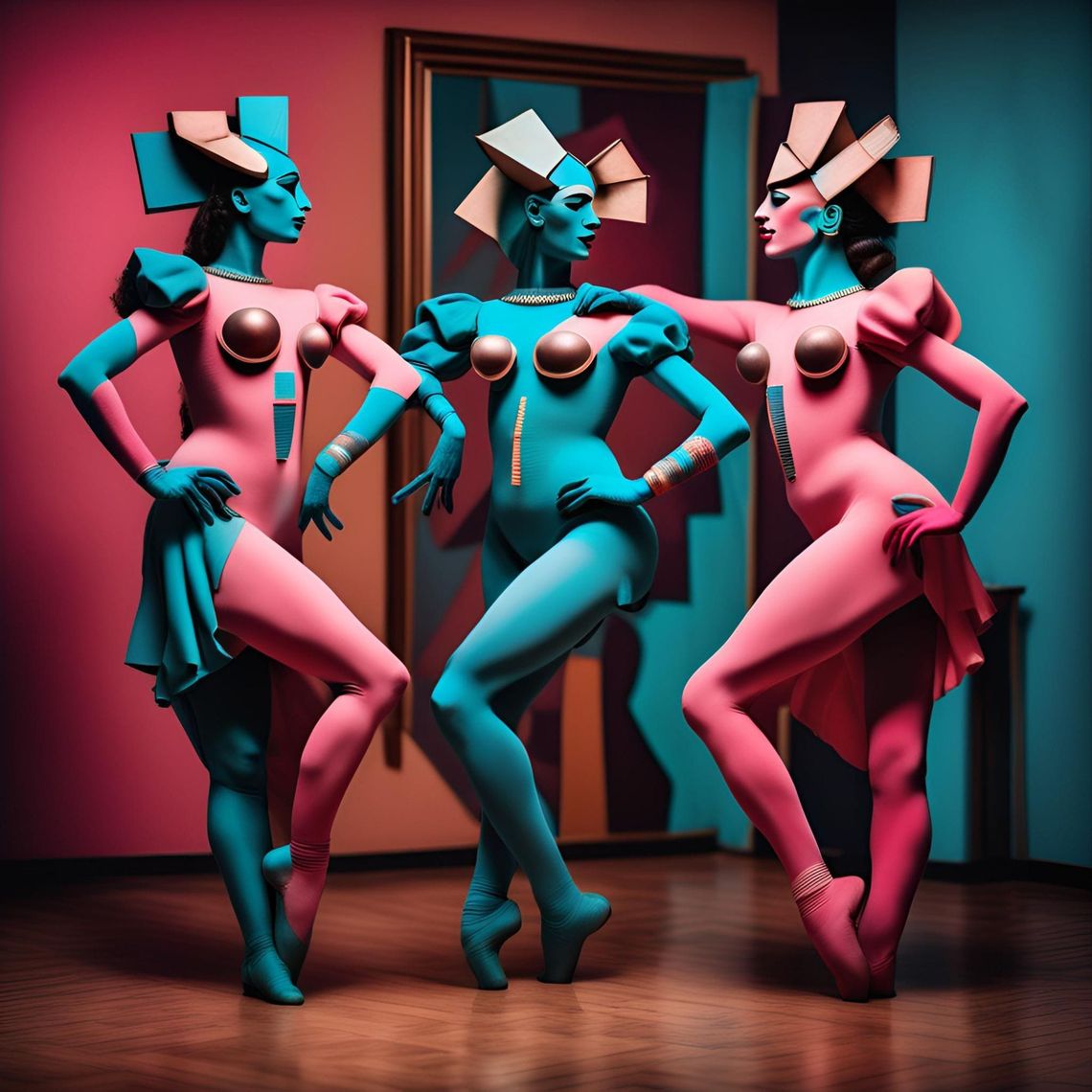
"Unveiling the Rhythm of Cubism: An In-Depth Exploration of Picasso's The Three Dancers"
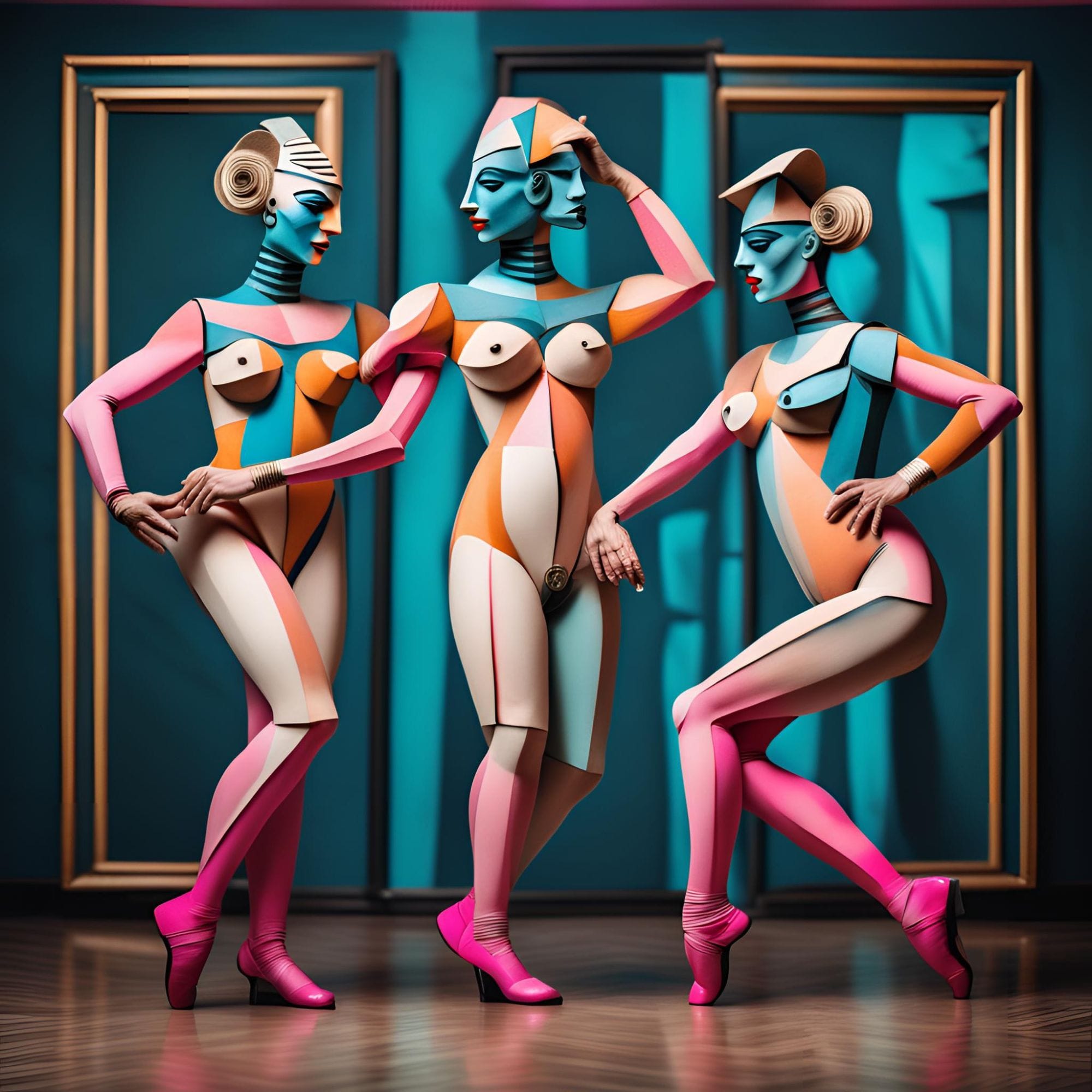
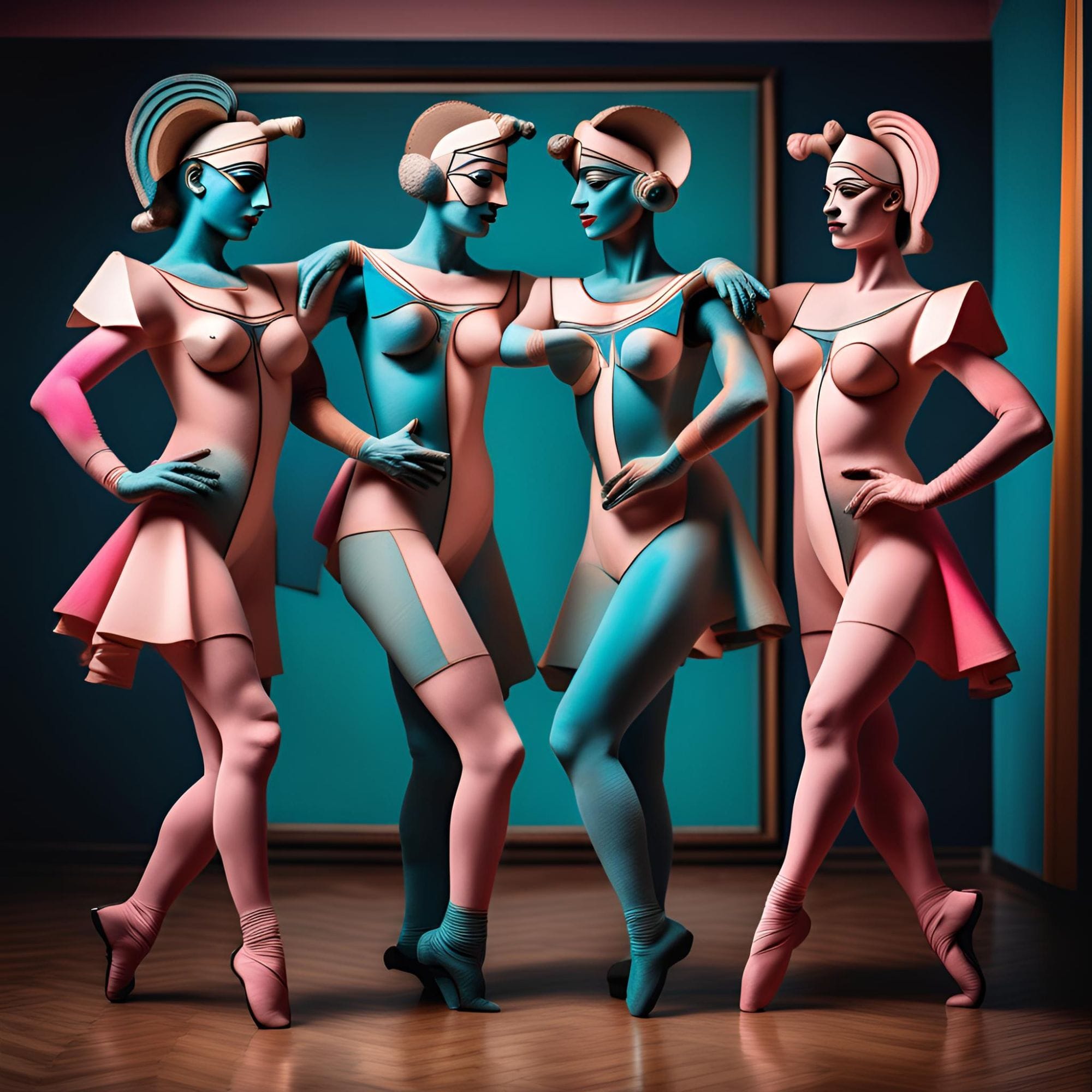
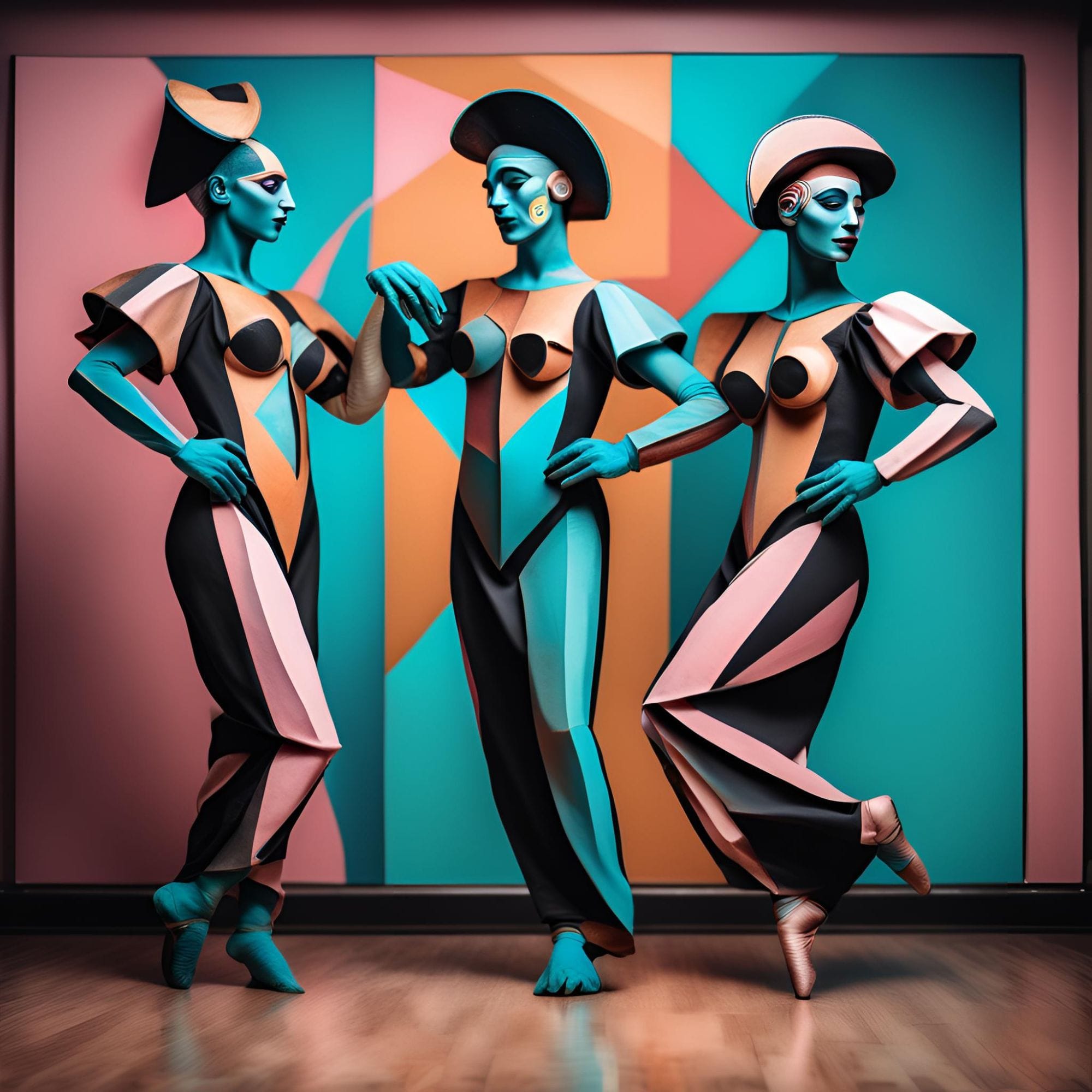
Introduction to Picasso's The Three Dancers
Pablo Picasso's painting The Three Dancers, created in 1925, is a pivotal work in the realm of modern art, encapsulating the dynamic spirit of the early 20th century. This striking piece not only showcases Picasso's innovative approach to form and color but also reflects the emotional intensity and complexity of the human experience. As a cornerstone of his oeuvre, The Three Dancers provides profound insights into the evolution of artistic expression and the transformative power of art.
To fully appreciate the significance of this work, it is essential to understand the man behind it. Pablo Picasso, born in 1881 in Málaga, Spain, emerged as one of the most influential artists of the 20th century. His artistic journey spanned various styles and movements, including the Blue and Rose periods. However, it was his co-founding of Cubism that revolutionized the art world. Picasso's relentless experimentation with form and perspective allowed him to break away from traditional representations, cementing his status as a central figure in the evolution of contemporary art.
The creation of The Three Dancers occurred during a period marked by both personal and societal upheaval. The 1920s were a time of great change in Europe, characterized by the aftermath of World War I and the burgeoning of modernist ideas. Deeply influenced by the shifting cultural landscape and his own tumultuous relationships, Picasso infused this painting with a sense of movement and passion. The work's vibrant colors and dynamic composition not only reflect the artist's emotional state but also echo the broader artistic currents of the time, making it a vital piece for understanding the interplay between art and society in the early 20th century.
Analysis of the Artistic Style
Cubism and it’s Influence on the Painting
Pablo Picasso's The Three Dancers stands as a vivid testament to the evolution of Cubism, a movement co-founded by Picasso himself alongside Georges Braque. Although the painting was created during a period often associated with Surrealism, it retains the fragmented perspectives and geometrical forms characteristic of Cubism. In The Three Dancers, Picasso deconstructs the figures of the dancers, presenting them from multiple viewpoints simultaneously. This technique invites viewers to perceive movement and emotion in ways that traditional representations could not, challenging the notion of a singular, fixed perspective. The dynamic interplay of shapes and forms encapsulates the essence of Cubism, reflecting both the complexity of human experience and Picasso's innovative approach to visual representation.
Use of Color and Form in The Three Dancers
Color plays a pivotal role in The Three Dancers, as Picasso employs a bold palette that enhances the emotional intensity of the scene. The vivid reds, blues, and yellows contrast sharply, creating a sense of dynamism and urgency. This color scheme captures the energy of the dancers while conveying deeper emotional undertones, evoking themes of passion, conflict, and movement. The forms of the figures are distorted yet expressive, emphasizing their physicality and the rhythm of dance. Picasso's departure from naturalistic representation allows for an exploration of the dancers’ inner lives, transforming the composition into a visual symphony that resonates with the viewer on both aesthetic and emotional levels.
Symbolism and Thematic Elements in the Artwork
The Three Dancers is rich with symbolism, inviting multiple interpretations. The figures can be seen as embodiments of passion and the ephemeral nature of life, reflecting both the joy and turmoil of human relationships. Some art historians argue that the painting may allude to the tumultuous romantic relationship between Picasso, his muse Olga Khokhlova, and his later lover Dora Maar, suggesting a narrative of rivalry and desire. Additionally, the dancers themselves represent the interplay between art and life, embodying the transformative power of creativity. The composition’s chaotic energy mirrors the complexities of love and art, reinforcing the idea that beauty often arises from discord. Through this lens, The Three Dancers transcends mere representation, becoming a profound commentary on the intricacies of human emotion and the creative process.
In summary, Picasso's unique artistic style in The Three Dancers not only exemplifies the principles of Cubism but also elevates the work into a multifaceted exploration of color, form, and symbolism. This solidifies its significance within both his oeuvre and the broader landscape of modern art.
Cultural and Historical Impact
Reception of the Painting at the Time of Its Unveiling
When Pablo Picasso unveiled The Three Dancers in 1925, it stirred a mix of admiration and controversy within the art community. The painting debuted at the International Surrealist Exhibition in Paris, where it was both celebrated and criticized for its radical departure from traditional artistic conventions. Audiences were struck by the raw emotional intensity and dynamic composition, which seemed to encapsulate the tumultuous spirit of the era. Critics were divided; some praised Picasso's innovative approach to form and color, while others dismissed it as chaotic and overly abstract. This duality in reception highlighted the painting's role as a polarizing force in the art world, marking a significant departure from established norms of representation and paving the way for broader acceptance of modernist ideas.
Influence on Later Artists and Movements
The Three Dancers has had a profound influence on subsequent generations of artists and movements. Its exploration of form and emotion resonated deeply within the Surrealist movement, inspiring artists like Alberto Giacometti and Max Ernst, who sought to convey the subconscious through distorted forms and dream-like imagery. Furthermore, the painting's dynamic energy and use of vibrant color can be seen echoed in the works of Abstract Expressionists, such as Jackson Pollock and Mark Rothko, who embraced emotion and spontaneity in their art. The thematic elements of dance and movement in Picasso's work anticipated the fluidity and dynamism that would characterize later developments in modern art, including performance art and kinetic sculpture.
Role of The Three Dancers in Modern Art Discussions
Today, The Three Dancers occupies a prominent place in discussions surrounding modern art and Picasso's legacy. Scholars and critics frequently reference the painting as a pivotal moment in the evolution of 20th-century art, illustrating the shift towards abstraction and emotional expression. It is often included in exhibitions that explore the intersections of Cubism, Surrealism, and Expressionism, demonstrating how Picasso's work transcends categorization. Additionally, the painting is analyzed in the context of socio-political movements of the time, reflecting the anxieties and upheavals of post-World War I Europe. Its enduring relevance is evident in contemporary art discourse, where it continues to inspire debates about representation, abstraction, and the role of the artist in society. As such, The Three Dancers remains not only a significant artwork in Picasso’s oeuvre but also a vital touchstone for understanding the trajectory of modern art as a whole.
Conclusion: The Legacy of The Three Dancers
Summary of Key Points Discussed
In summary, Picasso's The Three Dancers stands as a pivotal work that exemplifies his innovative approach to art while encapsulating the tumultuous spirit of the early 20th century. Through its complex interplay of form, color, and symbolism, the painting challenges traditional representations and invites viewers into a realm of emotional intensity and dynamic movement. The exploration of Cubism within this work reflects Picasso's revolutionary spirit and his desire to transcend the boundaries of artistic expression, making it a cornerstone in the study of modern art.
Importance of The Three Dancers in Understanding Picasso's Oeuvre
The importance of The Three Dancers in understanding Picasso's oeuvre cannot be overstated. This painting serves as a crucial touchstone for interpreting the evolution of his artistic journey, showcasing his departure from realism and embrace of abstraction. It not only highlights his technical prowess but also provides insight into his emotional landscape during a period marked by personal and political upheaval. As such, it becomes a lens through which one can explore the broader themes of love, loss, and the human condition that permeate much of his work.
Final Thoughts on the Painting's Relevance Today
Finally, the relevance of The Three Dancers persists in contemporary discussions about art and culture. Its boldness continues to resonate with artists and scholars alike, inspiring new interpretations and dialogues about the nature of abstraction and representation. As modern audiences engage with Picasso's legacy, The Three Dancers remains a vital piece that challenges our perceptions and invites us to reflect on the transformative power of art. In an era where the boundaries of creativity are continually being tested, Picasso's work serves as both a historical reference and a source of inspiration, reminding us of the enduring impact of artistic innovation.