
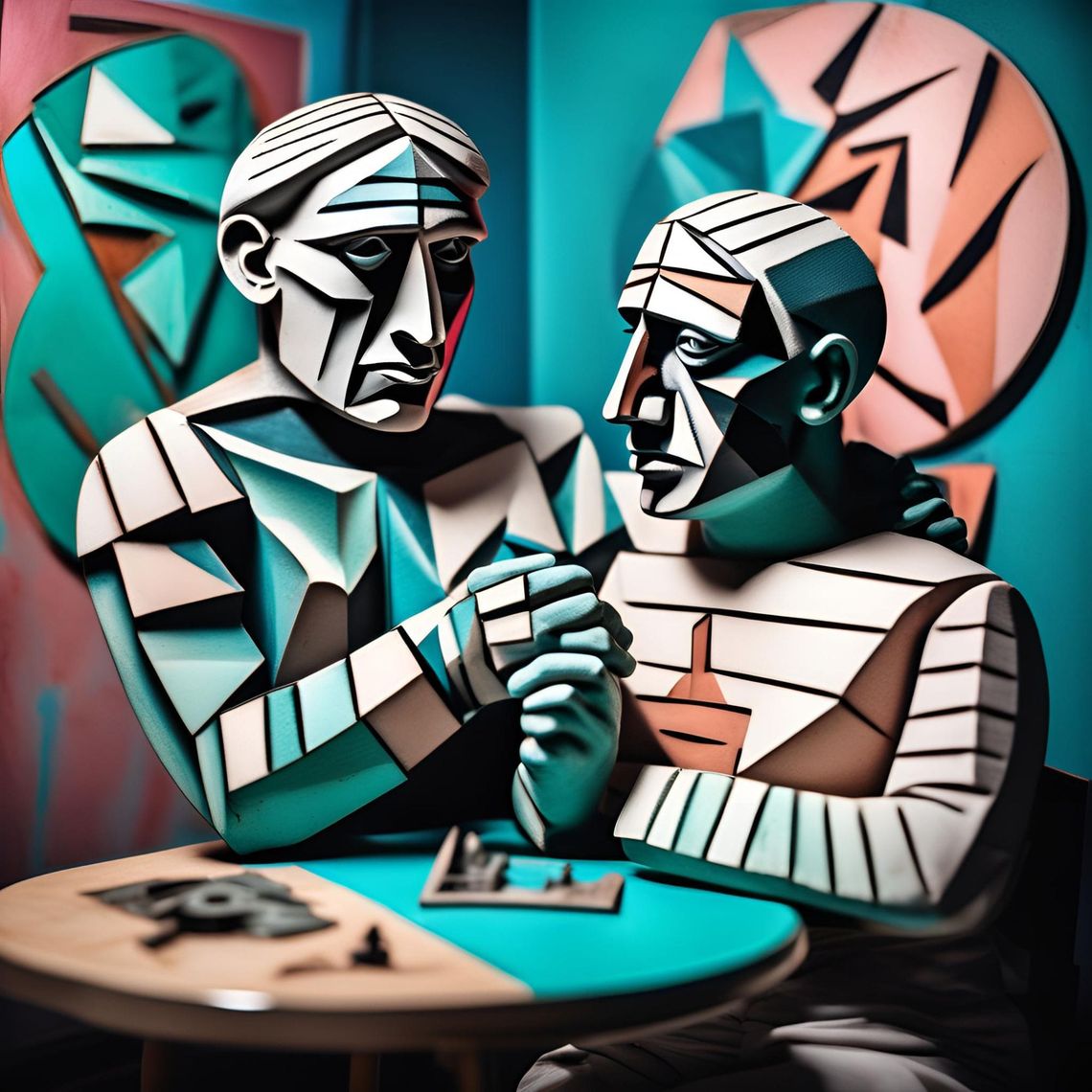
"Unveiling the Depths of Despair: An In-Depth Exploration of Picasso's 'The Tragedy"







buymeacoffe.com coming soon..
"Unveiling the Depths of Despair: An In-Depth Exploration of Picasso's 'The Tragedy'"
Introduction to Picasso's The Tragedy
Pablo Picasso, one of the most influential artists of the 20th century, emerged from a diverse and complex background that profoundly shaped his artistic vision. Born on October 25, 1881, in Málaga, Spain, he displayed prodigious talent from a young age, developing his skills under the tutelage of his father, an art teacher. Throughout his lifetime, Picasso traversed various artistic styles—from his Blue and Rose Periods to Cubism and Surrealism—reflecting the evolving nature of his thoughts and experiences. Each phase of his career contributed to an ever-deepening exploration of the human experience, culminating in works that resonate with profound emotional and philosophical themes.
Among these works, The Tragedy, painted in 1903, stands out as a poignant representation of despair and existential reflection. Created during Picasso's Blue Period—a time characterized by somber tones and themes of sorrow—this painting encapsulates his response to personal and societal turmoil. The Tragedy serves as a critical juncture in Picasso's oeuvre, marking the moment when he began to delve deeper into the complexities of human emotion and the darker aspects of existence.
Understanding the context surrounding the creation of The Tragedy is essential for appreciating its significance. The early 1900s were marked by social upheaval and economic hardship, particularly in Europe. Picasso's own life was entwined with tragedy; the death of a close friend deeply affected him, prompting an exploration of themes such as grief and isolation. This historical backdrop, combined with his personal experiences, informed the imagery and emotional weight of The Tragedy, making it a powerful commentary on the human condition.
In this section, we will introduce the essential elements of The Tragedy, setting the stage for a deeper analysis of its visual components, thematic concerns, and lasting impact on the art world. By examining Picasso's life, the significance of the painting, and its historical context, we can appreciate the magnitude of this work and its enduring relevance in the discourse surrounding art and humanity.
Analysis of Visual Elements in The Tragedy
Color Palette and Its Emotional Impact
The color palette employed in Picasso's The Tragedy is predominantly composed of somber blues and muted grays, which are characteristic of his Blue Period. This choice of colors plays a crucial role in evoking a profound sense of melancholy and despair. The cold tones establish an atmosphere of sorrow and communicate the emotional weight of the figures depicted. The use of blue, often associated with sadness and introspection, resonates deeply with the themes of suffering and loss that permeate the painting. The stark contrast between the figures and the background further enhances the emotional gravity of the scene, making the viewer acutely aware of the characters' plight.
Composition and Arrangement of Figures
Picasso's strategic arrangement of figures in The Tragedy contributes to the overall narrative of the piece. Central to the composition are three figures—two women and a man—who are tightly grouped, emphasizing their shared experience of anguish. The figures are depicted with elongated forms and exaggerated proportions, which heighten their emotional expressions and create a sense of disconnection from the surrounding world. The triangular composition draws the viewer's eye inward, reinforcing a feeling of confinement and isolation. Additionally, the placement of the figures at the forefront, set against a vague and indistinct background, serves to heighten their emotional presence, making them the focal point of the viewer's attention.
Symbolism in the Imagery and Figures Portrayed
The imagery in The Tragedy is rich with symbolism that invites multiple interpretations. The figures can be seen as archetypes of suffering, representing the broader human condition. The presence of the man, who appears to be a caregiver or protector, juxtaposed with the two women—one of whom cradles a child—suggests themes of vulnerability and the cyclical nature of life and death. The child, though not fully visible, symbolizes innocence and the weight of future suffering. Furthermore, the figures' poses and facial expressions convey a shared sense of despair, with downcast eyes and slumped shoulders reflecting their emotional burden. This symbolism prompts viewers to reflect on the universality of human suffering and the connections that bind individuals in times of tragedy. Through these visual elements, Picasso masterfully encapsulates the complexities of the human experience, inviting deeper contemplation of the themes he explores in this poignant work.
Themes Explored in The Tragedy
Pablo Picasso's The Tragedy is a profound exploration of the human experience, delving into themes that resonate with audiences both in his time and today. The painting's emotional depth invites viewers to reflect on the complexities of suffering, human connection, and the socio-cultural landscapes that shape our lives.
The Theme of Suffering and Human Condition
At the heart of The Tragedy lies an exploration of suffering—a universal theme that transcends time and space. The figures depicted in the painting embody a range of emotions, from despair to resignation, capturing the essence of human vulnerability. Picasso's choice of somber tones and the stark expressions of the figures emphasize the weight of their collective grief. This portrayal of suffering is not merely an expression of personal anguish but rather a commentary on the broader human condition. The painting invites viewers to confront the inevitability of pain and loss, echoing the existential struggles that define our existence.
Isolation and Connection Among the Figures
In The Tragedy, the arrangement of figures conveys a profound sense of both isolation and connection. Although they are physically close, there is an emotional distance that permeates the scene, highlighting the complexity of human relationships. The figures appear to be trapped in their own worlds, each lost in their thoughts and sorrow, yet they share a collective experience of tragedy. This duality reflects the paradox of human interaction—where individuals can be simultaneously connected and isolated. Picasso masterfully captures this tension, prompting viewers to consider how personal suffering can impact relationships and communal bonds.
Cultural and Social Reflections in the Artwork
Beyond its exploration of individual suffering, The Tragedy serves as a reflection of the cultural and social issues of Picasso's time. Created during a period marked by political unrest and social upheaval, the painting resonates with the anxieties and fears prevalent in early 20th-century Europe. The figures, stripped of their individuality, can be seen as representative of a society grappling with the consequences of war, poverty, and displacement. Picasso's work challenges viewers to consider how these societal factors shape personal experiences of grief and despair. The painting is not just a representation of personal tragedy; it is a commentary on the collective suffering endured by society during tumultuous times.
In summary, The Tragedy encapsulates essential themes that delve into the depths of human experience. Through its exploration of suffering, the complexity of isolation and connection, and its reflections on cultural and social issues, Picasso's work invites a profound dialogue about the nature of existence and the shared human experience. As we engage with these themes, we are reminded of the enduring relevance of Picasso's artistry and its capacity to evoke empathy and reflection even in contemporary discussions.
Impact and Legacy of The Tragedy
Influence on Modern Art and Artists
Picasso's The Tragedy has left an indelible mark on the trajectory of modern art, influencing countless artists and movements that followed its creation. The painting, completed in 1903 during Picasso's Blue Period, encapsulates the emotional depth and expressive power that would become hallmarks of 20th-century art. Its exploration of somber themes, particularly through the lens of human suffering, resonates deeply with subsequent artistic movements such as Expressionism and Surrealism. Artists like Edvard Munch and later figures such as Francis Bacon have drawn on the emotional intensity and psychological complexity that The Tragedy embodies, showcasing how Picasso's early work set a precedent for exploring the darker aspects of the human experience.
Reception by Critics and Audiences at the Time of Release
Upon its unveiling, The Tragedy elicited a range of reactions from critics and audiences alike. While some praised its emotional depth and innovative use of color and form, others were less receptive to its stark portrayal of despair. The painting was emblematic of Picasso's shift from traditional artistic conventions, challenging viewers to confront the raw human emotions he so vividly depicted. Its reception reflected the broader cultural shifts of the early 20th century, as society grappled with the implications of modernity and the existential crises that accompanied it. Critics recognized The Tragedy as a pivotal work that showcased Picasso's evolving style and marked a significant departure from the optimism of previous artistic movements.
Current Relevance and Interpretations in Contemporary Discussions
Today, The Tragedy continues to be a focal point in discussions surrounding the evolution of modern art and the exploration of human emotions. Its themes of suffering, isolation, and the search for connection resonate in contemporary society, making it a relevant work even over a century after its creation. Art historians and critics frequently refer to Picasso's piece when exploring the intersection of art and psychology, particularly in relation to how visual art can encapsulate complex emotional states. Additionally, as discussions surrounding mental health and human connection gain prominence in modern discourse, The Tragedy serves as a poignant reminder of the shared human experience of suffering and the artistic responses it can evoke. The painting's legacy endures, encouraging ongoing dialogue about the role of art in reflecting and interpreting the human condition.
Conclusion: The Enduring Significance of The Tragedy
Pablo Picasso's The Tragedy stands as a pivotal work in the artist's early career, encapsulating the emotional turmoil and existential themes that would come to define much of modern art. This painting not only reflects Picasso's own experiences and the socio-political landscape of his time but also delves into the universal themes of suffering and human connection. The figures, portrayed in a state of despair, resonate with viewers on a profound level, inviting contemplation of the complexities of the human condition.
The significance of The Tragedy extends beyond its immediate historical context; it has influenced generations of artists grappling with similar themes in their own works. The painting's exploration of isolation, emotional depth, and social commentary has inspired myriad interpretations, allowing it to remain relevant in contemporary discourse. Critics and audiences alike continue to engage with this work, recognizing its capacity to evoke empathy and reflection.
As art continues to evolve, The Tragedy endures as a crucial touchstone for understanding the interplay between art and society. It challenges viewers to confront the darker aspects of existence while simultaneously affirming the need for connection and understanding amidst suffering. Picasso's masterful execution and profound thematic exploration ensure that The Tragedy will remain a vital part of the artistic canon, inviting new generations to find meaning and resonance within its poignant imagery. In this way, the painting transcends its time, solidifying its place in art history as a work of lasting significance and emotional impact.