
Ultimate Guide to Home Heating: Exploring Traditional and Modern Methods for a Cozy, Energy-Efficient Living Space
# Home Heating Methods: A Comprehensive Guide
Introduction to Home Heating Methods
As winter approaches, ensuring your home remains warm and comfortable becomes paramount. Homeowners today face the challenge of selecting the most effective and efficient heating option to meet their unique needs. Home heating methods can be broadly categorized into traditional and modern technologies, each offering distinct advantages and considerations. This article explores a wide array of heating solutions, from classic systems like furnaces and fireplaces to innovative technologies such as heat pumps and solar heating.
Understanding different heating methods is crucial, as is considering factors like energy efficiency and sustainability. With growing demand for eco-friendly solutions, many homeowners are turning to energy-efficient products and practices that not only reduce their carbon footprint but also lower utility bills.
Whether you are building a new home, renovating an existing space, or simply looking to improve your current heating system, this comprehensive guide will provide valuable insights into the various ways to heat your home effectively. As we delve into each method, we will highlight the advantages, potential drawbacks, and key considerations to help you make an informed decision that aligns with your comfort, budget, and environmental values.
Traditional Heating Methods
Traditional heating methods have stood the test of time, providing comfort and warmth for generations. While sometimes less efficient than their modern counterparts, these systems are still widely used and appreciated for their reliability and effectiveness. This section explores three of the most common traditional heating methods: furnaces and boilers, fireplaces and wood stoves, and radiant heating systems.
Furnaces and Boilers
Furnaces and boilers are classic heating systems that have been utilized in homes for many years. Furnaces operate by blowing heated air through ducts, distributing warmth throughout the house. They can be powered by various fuels, including natural gas, propane, oil, or electricity, making them versatile for different environments. Boilers, on the other hand, heat water and distribute steam or hot water through pipes to radiators or underfloor heating systems. Both options effectively maintain a comfortable indoor temperature, but the choice between them often depends on the specific heating needs of the home and personal preferences.
Fireplaces and Wood Stoves
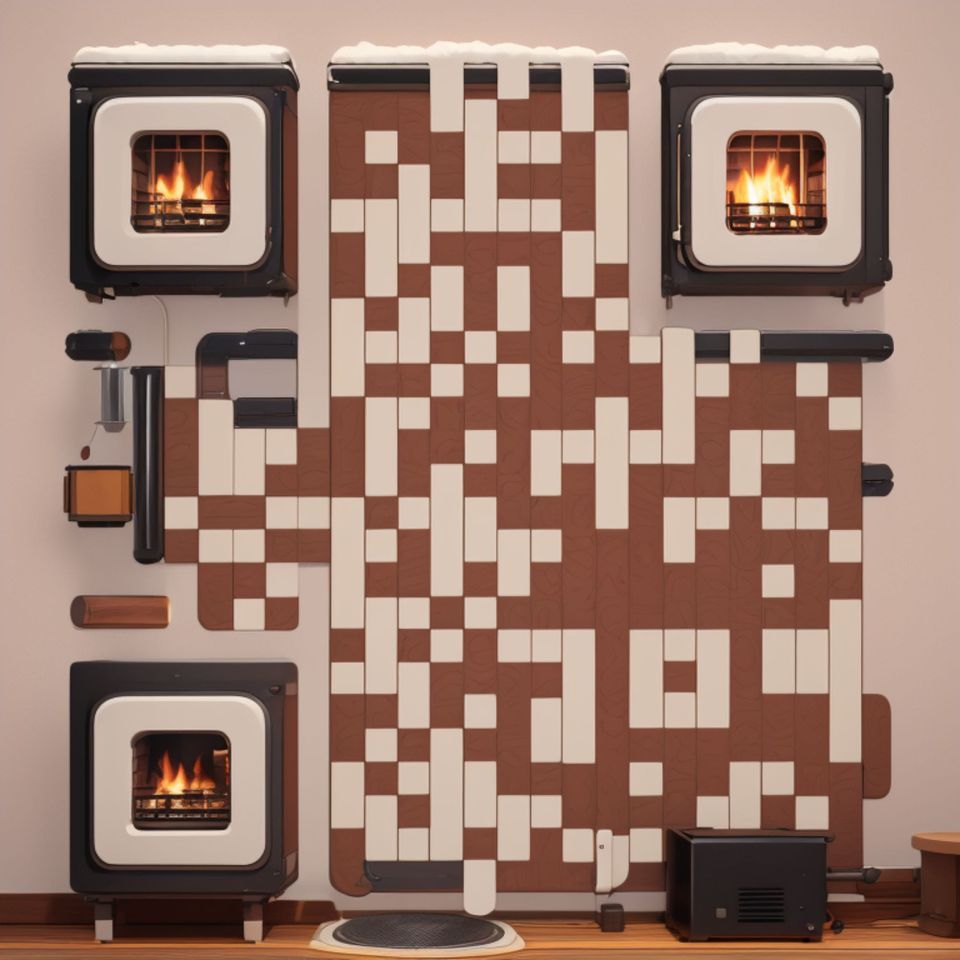
Fireplaces and wood stoves add a unique charm and ambiance to home heating. Fireplaces, often focal points in living spaces, can be traditional wood-burning, gas, or electric. They provide warmth and a cozy atmosphere that many homeowners cherish. Wood stoves offer an efficient way to heat a room or even an entire home using solid fuel. They are particularly beneficial in rural areas where firewood is readily available and are often more efficient than traditional fireplaces. Both options require proper ventilation and maintenance to ensure safe operation, but they create a warm, inviting environment during colder months.
Radiant Heating Systems
Radiant heating systems are another traditional method that has gained popularity for their efficiency and comfort. This system works by warming surfaces in a room, such as floors, walls, and ceilings, rather than just the air. By installing heated water tubes or electric heating cables beneath the floor, radiant heating provides consistent and even warmth that radiates throughout the space. It is particularly effective in areas with high ceilings or drafty conditions, as it eliminates cold spots and enhances overall comfort. Radiant heating can be coupled with other systems for added efficiency, making it a valuable option for homeowners looking to optimize their heating methods.
In summary, traditional heating methods such as furnaces, boilers, fireplaces, wood stoves, and radiant heating systems have successfully kept homes warm and comfortable for decades. Each method offers distinct advantages and caters to various heating needs, preferences, and budgets. In the next section, we will delve into modern heating technologies transforming the way we think about home heating.
Modern Heating Technologies
As technology advances, so do the methods we use to heat our homes. Modern heating technologies are designed not only to provide effective warmth but also to enhance energy efficiency and reduce environmental impact. This section explores three key innovations: heat pumps, smart thermostats, and solar heating solutions.
Heat Pumps
Heat pumps are an increasingly popular choice for homeowners seeking an efficient heating solution. Unlike traditional heating systems that generate heat, heat pumps transfer heat from one place to another. In the winter, they extract warmth from the outside air or ground and transfer it indoors, while in the summer, they can reverse the process to provide cooling. This dual functionality makes heat pumps a versatile option for year-round climate control.
Heat pumps are particularly appealing due to their energy efficiency. They can deliver three to four times more energy in heating than they consume in electricity, resulting in lower utility bills. Additionally, many heat pumps are compatible with renewable energy sources, further enhancing their sustainability profile. With proper installation and maintenance, heat pumps can serve as a reliable and eco-friendly heating solution for homes of all sizes.
Smart Thermostats
Smart thermostats represent a significant leap forward in home heating control. These devices allow homeowners to manage their heating systems remotely via smartphone apps or through voice-activated smart home assistants. By learning your heating preferences and daily routines, smart thermostats can optimize heating schedules to maximize comfort while minimizing energy consumption.
One standout feature of smart thermostats is their ability to analyze energy usage patterns and suggest adjustments for improved efficiency. Many models can integrate with other smart home devices, creating a seamless energy management system. By utilizing these advanced technologies, homeowners can enjoy a comfortable living environment while contributing to energy conservation efforts.
Solar Heating Solutions
Solar heating solutions harness the power of the sun to provide a sustainable and renewable heating source for homes. There are two primary types of solar heating systems: active and passive. Active solar heating systems use solar panels and pumps to circulate heat, while passive systems incorporate design elements that maximize natural sunlight and warmth without mechanical devices.
Investing in solar heating can significantly reduce reliance on conventional energy sources, leading to lower energy bills and a reduced carbon footprint. Many homeowners also benefit from government incentives and tax credits aimed at promoting renewable energy installations. With advancements in solar technology, these systems have become more efficient and affordable, making them an increasingly viable option for heating homes.
In summary, modern heating technologies offer innovative solutions that enhance comfort and prioritize energy efficiency and sustainability. As homeowners continue to seek eco-friendly options, embracing these cutting-edge technologies can lead to a warmer home and a healthier planet.
Energy Efficiency and Sustainability
In an era where climate change and energy conservation are at the forefront of global concerns, prioritizing energy efficiency and sustainability in home heating has never been more critical. Not only do energy-efficient heating methods reduce utility bills, but they also lessen the environmental impact associated with traditional heating practices. This section delves into effective techniques and products that can enhance the energy efficiency of your home heating system while promoting sustainability.
Insulation Techniques
Proper insulation is the cornerstone of an energy-efficient home. Insulation acts as a barrier to heat flow, keeping your home warm in the winter and cool in the summer. Effective insulation techniques include sealing gaps and cracks in walls, windows, and doors, which can significantly reduce drafts. In addition to traditional fiberglass insulation, homeowners can explore advanced materials such as spray foam and cellulose insulation, which offer superior performance. Investing in high-quality insulation optimizes your heating system's efficiency and contributes to a more comfortable indoor environment.
Energy Star Rated Products
Choosing Energy Star rated heating products is a surefire way to enhance the energy efficiency of your home. The Energy Star label signifies that a product meets strict energy efficiency guidelines set by the U.S. Environmental Protection Agency. Furnaces, boilers, heat pumps, and even smart thermostats bearing this label can lead to significant energy savings over their lifetime. When shopping for new heating equipment, look for the Energy Star certification to ensure you are making a sustainable choice that aligns with your energy efficiency goals.
Government Incentives for Green Heating
To encourage homeowners to adopt energy-efficient heating solutions, many governments offer various incentives and rebates. These can include tax credits, grants, and low-interest loans for installing energy-efficient heating systems or making upgrades to existing ones. Familiarizing yourself with available government programs can significantly reduce the upfront costs associated with transitioning to greener heating options. Additionally, participating in these programs helps you save money and contributes to broader environmental goals by reducing overall energy consumption and greenhouse gas emissions.
In conclusion, embracing energy efficiency and sustainability in your home heating approach is not just a personal choice; it's a responsible action that benefits both your wallet and the planet. By investing in proper insulation, selecting Energy Star rated products, and taking advantage of government incentives, homeowners can create a warmer, more sustainable living environment while playing an active role in the fight against climate change.
Conclusion: Choosing the Right Heating Method for Your Home
When selecting the ideal heating method for your home, several factors come into play. Understanding your unique needs, budget constraints, and environmental considerations can help guide your decision.
First and foremost, assess the size and layout of your living space. Traditional heating methods, like furnaces and boilers, may be well-suited for larger homes with multiple rooms, providing consistent warmth throughout. Conversely, if you have a smaller space or prefer localized heating, options such as fireplaces, wood stoves, or radiant heating systems can offer effective solutions with a cozy ambiance.
Modern heating technologies present innovative alternatives that improve comfort and enhance energy efficiency. Heat pumps, for example, can serve both heating and cooling needs, making them a versatile choice for year-round climate control. Additionally, integrating smart thermostats can optimize your heating schedule, allowing you to save on energy bills while maintaining a comfortable environment.
Energy efficiency and sustainability should also be pivotal considerations in your decision-making process. Insulation techniques significantly impact your home’s heat retention and overall energy consumption. Investing in Energy Star rated products ensures that you’re choosing appliances and systems that meet high-efficiency standards, potentially qualifying you for government incentives that promote green heating solutions.
Ultimately, the right heating method for your home will depend on a combination of personal preferences, financial feasibility, and environmental considerations. By weighing the pros and cons of each option discussed, you can make an informed choice that will keep your home warm, comfortable, and energy-efficient for years to come.





Member discussion