
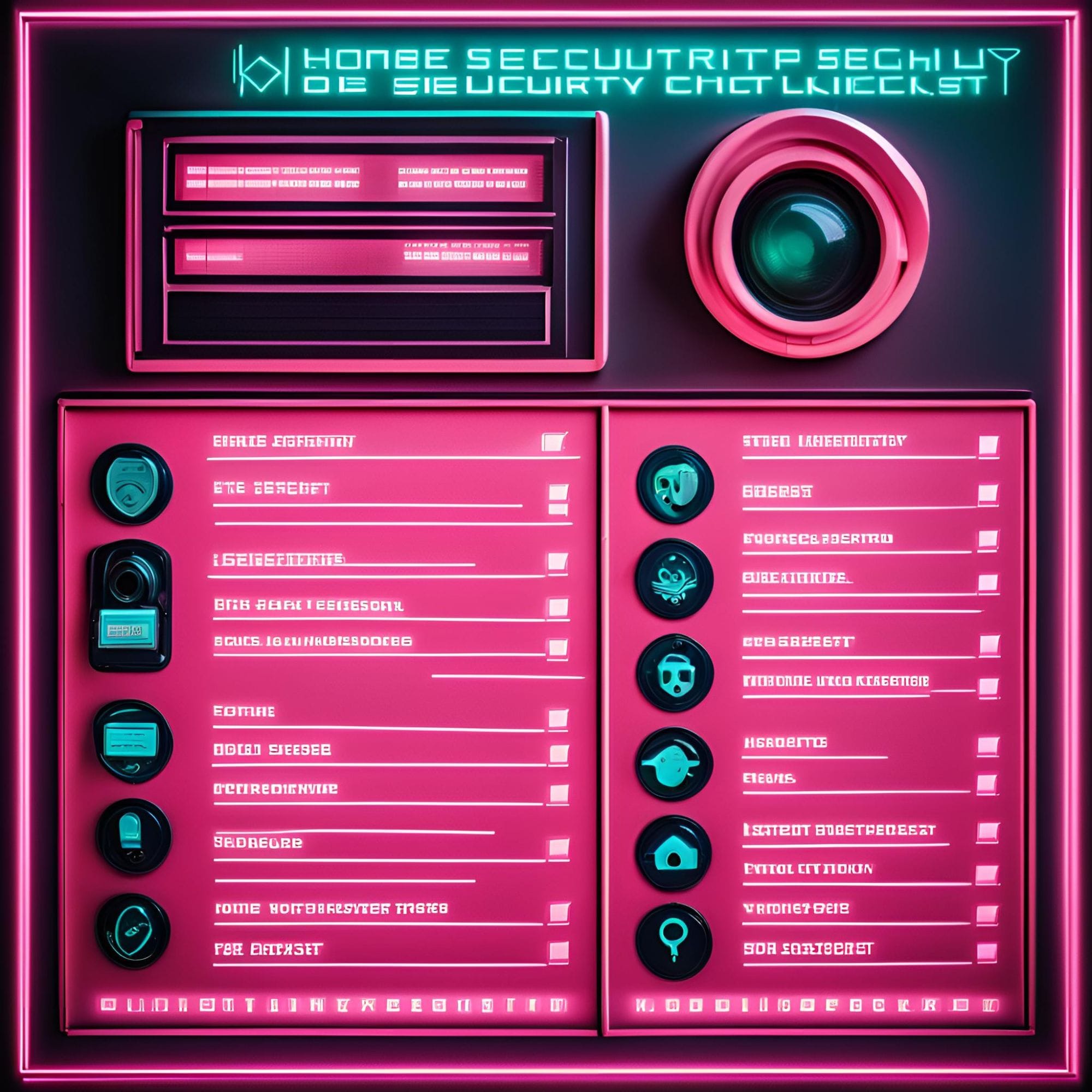
Ultimate DIY Home Security Checklist: Comprehensive Guide to Safeguarding Your Home

buymeacoffee.com coming soon..
Introduction
In an age where security concerns are increasingly prevalent, protecting your home has never been more important. A secure home not only safeguards your valuable possessions but also provides peace of mind for you and your loved ones. While professional security systems can be effective, they often come with hefty installation fees and ongoing service charges. Fortunately, there are numerous do-it-yourself (DIY) measures you can implement to significantly enhance your home’s security without breaking the bank.
This comprehensive DIY Home Security Checklist is designed to guide you through the essential steps of fortifying your home against potential threats. From assessing your current security setup to implementing advanced cybersecurity measures, this guide covers all aspects of home protection. Whether you are a novice looking to take the first steps toward a safer home or a seasoned DIY enthusiast seeking to bolster your existing security measures, this checklist will provide the actionable insights you need.
In the sections that follow, we will delve into practical tips and recommendations for inspecting and upgrading your physical security, as well as safeguarding your digital life. By the end of this article, you will be equipped with a thorough understanding of how to create a robust security system tailored to your specific needs. Let's begin our journey toward a more secure home.
Assessing Your Current Security Setup
Ensuring the safety and security of your home starts with a thorough assessment of your current security measures. This step is crucial in identifying vulnerabilities and areas where enhancements are needed. In this section, we will guide you through the key components to examine, including doors and windows, outdoor lighting, and locks and deadbolts.
Inspecting Doors and Windows
Doors and windows are the primary entry points into your home, making them critical to your overall security. Begin by inspecting all exterior doors and windows for any signs of wear and tear or damage. Make sure that doors are solid and made of durable materials such as solid wood or metal, which are more resistant to forced entry.
Check the frames and hinges to ensure they are secure and not easily tampered with. For windows, verify that they have functional locks and consider adding additional security measures such as window bars or security film, which can make it more difficult for intruders to gain access.
Evaluating Outdoor Lighting
Adequate outdoor lighting is a powerful deterrent to potential intruders. Walk around your property at night to identify any dark areas that could provide cover for someone trying to break in. Ensure that all entry points, including doors, windows, and garages, are well-lit.
Consider installing motion-activated lights around the perimeter of your home. These lights not only conserve energy but also startle and deter anyone who might approach your property with ill intentions. Additionally, maintain your light fixtures and replace burnt-out bulbs promptly to ensure continuous illumination.
Checking Locks and Deadbolts
The strength and functionality of your locks and deadbolts are paramount to your home’s security. Regularly check all locks on doors and windows to ensure they are in good working order. For exterior doors, use deadbolts that extend at least one inch into the door frame, as these provide a higher level of security compared to standard locks.
Reinforce door frames with strike plates and consider upgrading to smart locks, which allow you to monitor and control access remotely. Don’t forget to secure sliding doors with auxiliary locks or rods placed in the track to prevent them from being easily forced open.
By systematically assessing your current security setup, you can identify and address potential weaknesses, laying a solid foundation for the next steps in enhancing your home’s security.

Enhancing Physical Security
Enhancing physical security is a crucial aspect of any home security strategy. By bolstering the physical barriers and monitoring systems around and within your home, you can significantly reduce the risk of unauthorized entry and ensure a safer living environment. Here are key steps to enhance your home’s physical security:
Installing Security Cameras
Security cameras serve as both a deterrent to potential intruders and a valuable tool for monitoring your property. When setting up security cameras, consider the following:
Strategic Placement: Install cameras at entry points such as front and back doors, garage entrances, and ground-floor windows. Ensure they cover high-traffic areas and any blind spots.
High-Resolution Cameras: Invest in cameras with high resolution to capture clear images, making it easier to identify individuals if needed.
Night Vision and Weatherproofing: Choose cameras with night vision capabilities to ensure 24/7 surveillance. Weatherproof cameras are essential for outdoor installations to withstand various environmental conditions.
Remote Monitoring: Opt for cameras that offer remote access via smartphone or computer, allowing you to monitor your property in real-time, regardless of your location.
Adding Motion Sensors
Motion sensors are an effective way to detect unusual activity and can trigger alarms or notifications, prompting immediate action. Here’s how to implement them effectively:
Coverage Area: Place motion sensors in key areas such as hallways, near entry points, and in rooms with valuable items. Ensure they cover the entire area without obstructions.
Sensitivity Settings: Adjust the sensitivity settings to avoid false alarms caused by pets or small animals while ensuring they detect human movement accurately.
Integration with Other Systems: Integrate motion sensors with your security cameras and alarm systems for a comprehensive security network. This can provide a layered defense mechanism, where the activation of a sensor prompts cameras to record and alarms to sound.
Integration: Pair motion sensors with outdoor lighting systems to illuminate any detected movement, which can help deter intruders and provide clear visibility for security cameras.
Setting Up Alarm Systems
An alarm system is a critical component of home security, providing immediate alerts to both you and emergency services in the event of a breach. Follow these guidelines to set up an effective alarm system:
Choose the Right System: Select an alarm system that suits your home’s layout and your security needs. Options range from basic systems with door and window sensors to more advanced setups with environmental sensors for smoke, carbon monoxide, and flooding.
Professional Monitoring: Consider a professionally monitored alarm system, where a monitoring center is alerted when an alarm is triggered. This ensures rapid response from emergency personnel.
DIY Options: If you prefer a DIY approach, many modern alarm systems offer easy installation and smartphone integration, allowing you to manage and monitor the system yourself.
Regular Testing and Maintenance: Regularly test your alarm system to ensure all sensors and components are functioning correctly. Replace batteries as needed and keep the system updated with the latest firmware.
By implementing these enhancements to your physical security, you can create a robust defense system that deters potential intruders and provides peace of mind. A combination of security cameras, motion sensors, and a reliable alarm system forms the backbone of a secure home environment.
Implementing Cybersecurity Measures
In today's digital age, a comprehensive home security strategy should encompass both physical and cyber elements. Implementing robust cybersecurity measures is essential to protect your personal information and prevent unauthorized access to your connected devices.
Securing Wi-Fi Networks
Your home Wi-Fi network is the gateway to all your connected devices, making it a prime target for cybercriminals. Here are steps you can take to secure it:
Change the Default SSID and Password: Default network names and passwords are easily exploitable. Change your SSID (Service Set Identifier) to something unique and avoid using personal information. Create a strong, complex password that combines letters, numbers, and special characters.
Enable Network Encryption: Ensure that your Wi-Fi network uses WPA3 encryption, the latest and most secure protocol. If your router doesn't support WPA3, WPA2 is the next best option.
Create a Guest Network: Many routers allow you to set up a separate guest network. This isolates your main network, protecting your personal devices from potential threats introduced by guest devices.
Disable WPS and UPnP: Wi-Fi Protected Setup (WPS) and Universal Plug and Play (UPnP) can create vulnerabilities. Disabling these features can enhance your network security.
Using Strong Passwords
Strong passwords are your first line of defense against unauthorized access to your online accounts and devices. Consider the following best practices:
Create Complex Passwords: Use at least 12 characters, incorporating a mix of upper and lower case letters, numbers, and special characters. Avoid using easily guessable information like birthdays or common words.
Use a Password Manager: Managing multiple complex passwords can be challenging. A password manager can securely store and generate strong passwords for you, ensuring you don't have to remember each one.
Enable Two-Factor Authentication (2FA): Whenever possible, enable 2FA on your accounts. This adds an extra layer of security by requiring a second form of verification, such as a text message code or an authentication app.
Regular Software Updates
Keeping your software up to date is crucial for protecting your devices from vulnerabilities and ensuring they function optimally. Regular updates often include patches for security flaws that could be exploited by hackers.
Enable Automatic Updates: Set your operating systems, applications, and devices to update automatically. This way, you'll always have the latest security patches without having to remember to do it manually.
Update All Devices: Don't forget to update all your connected devices, including smartphones, tablets, smart TVs, and IoT devices. Each device can be a potential entry point for cyber threats.
Remove Unsupported Devices: If you have older devices that no longer receive updates, consider replacing them with newer models that are actively supported by the manufacturer.
By integrating these cybersecurity measures into your DIY home security checklist, you can significantly enhance the overall safety of your home. As technology continues to evolve, staying vigilant and proactive about your digital security will help protect your privacy and peace of mind.
Conclusion
In today's world, the importance of a robust home security system cannot be overstated. Taking proactive steps to secure your home not only protects your property but also ensures the safety and peace of mind of your loved ones. This DIY home security checklist has provided you with comprehensive guidance on assessing and enhancing your current security setup, from inspecting doors and windows to implementing advanced cybersecurity measures.
Begin by thoroughly evaluating your existing security infrastructure. Identifying and addressing vulnerabilities in doors, windows, outdoor lighting, and locks forms the foundation of a secure home. Once these basics are covered, consider enhancing your physical security by installing security cameras, adding motion sensors, and setting up alarm systems. These additions act as powerful deterrents to potential intruders and provide real-time alerts in case of suspicious activity.
In our increasingly connected world, cybersecurity measures are just as crucial as physical security. Securing your Wi-Fi network, using strong passwords, and keeping your software up-to-date are essential steps to protect your digital assets and personal information from cyber threats.
Remember, home security is an ongoing process that requires regular updates and maintenance. Stay informed about the latest security technologies and best practices to ensure your home remains a safe haven. By following this DIY home security checklist, you are taking significant strides toward a more secure and resilient home environment.





Member discussion