
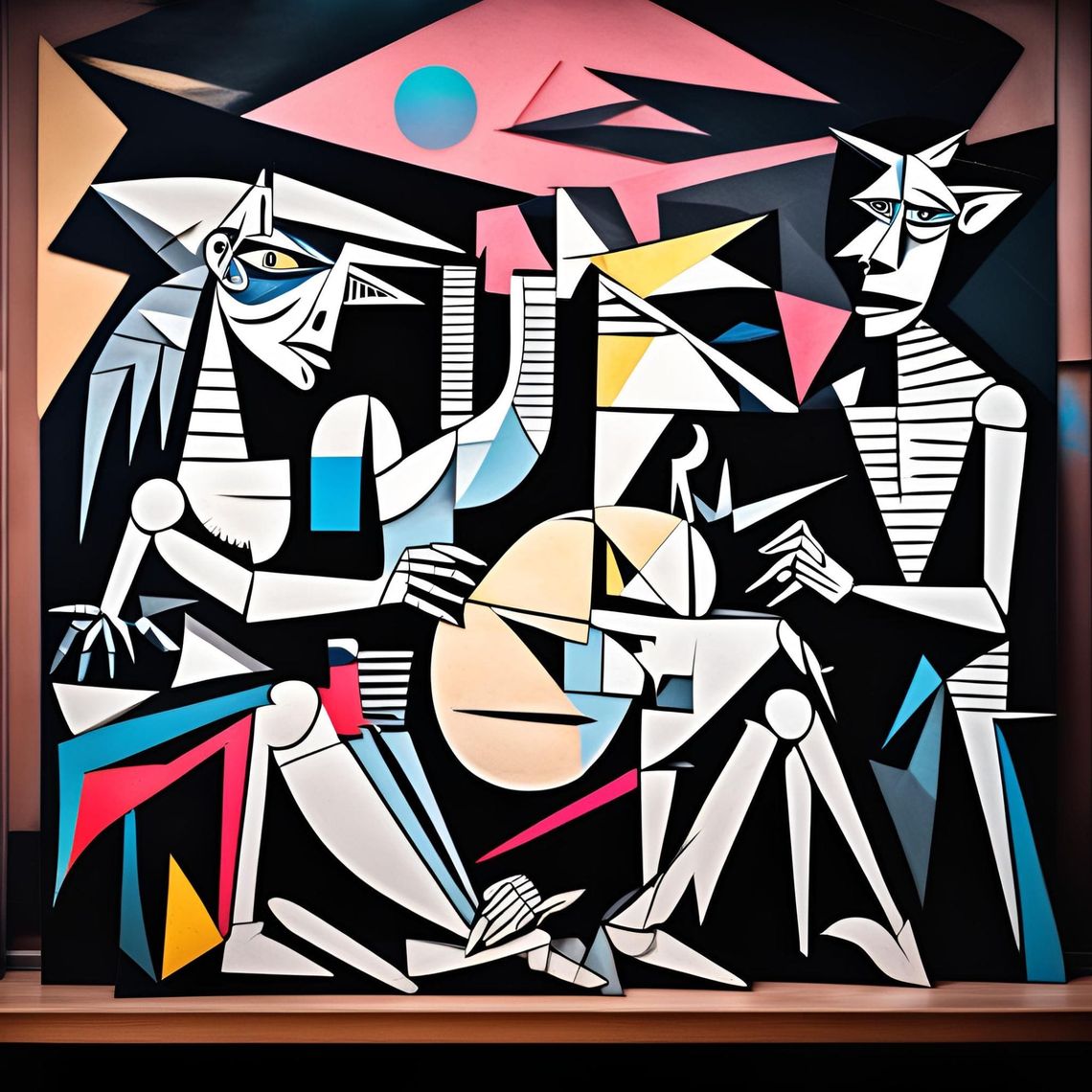
"Picasso's Guernica: A Profound Exploration of War, Suffering, and Artistic Legacy"
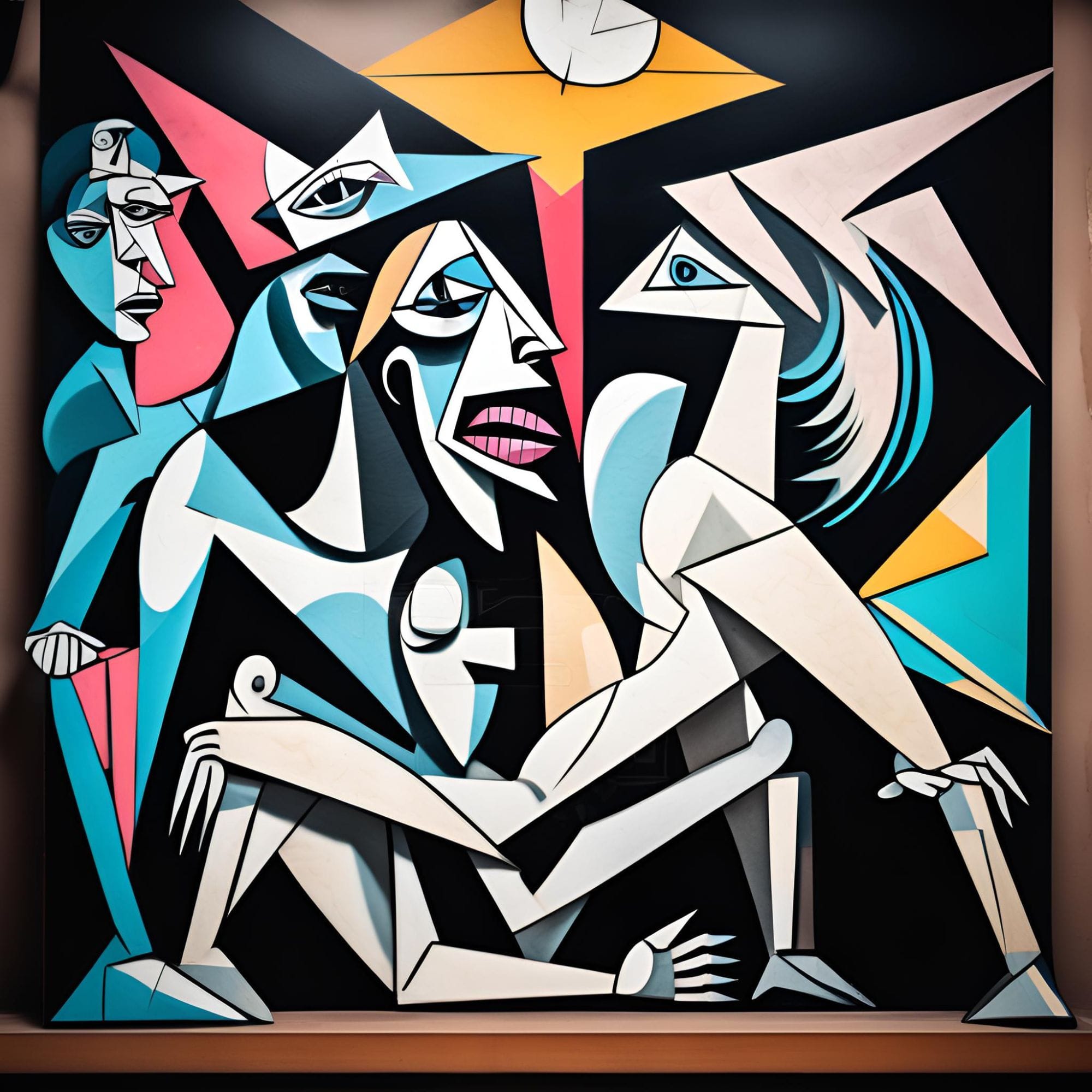
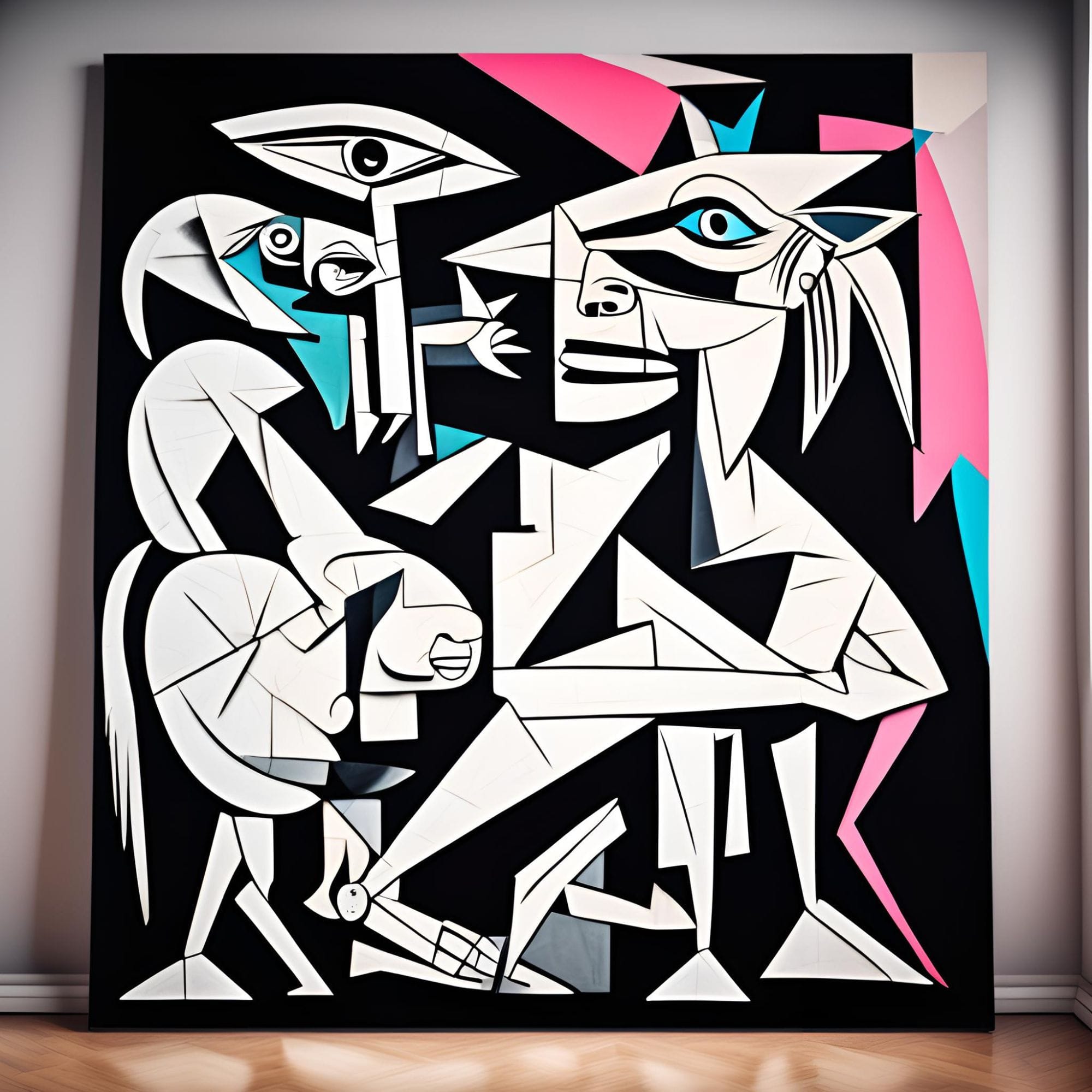
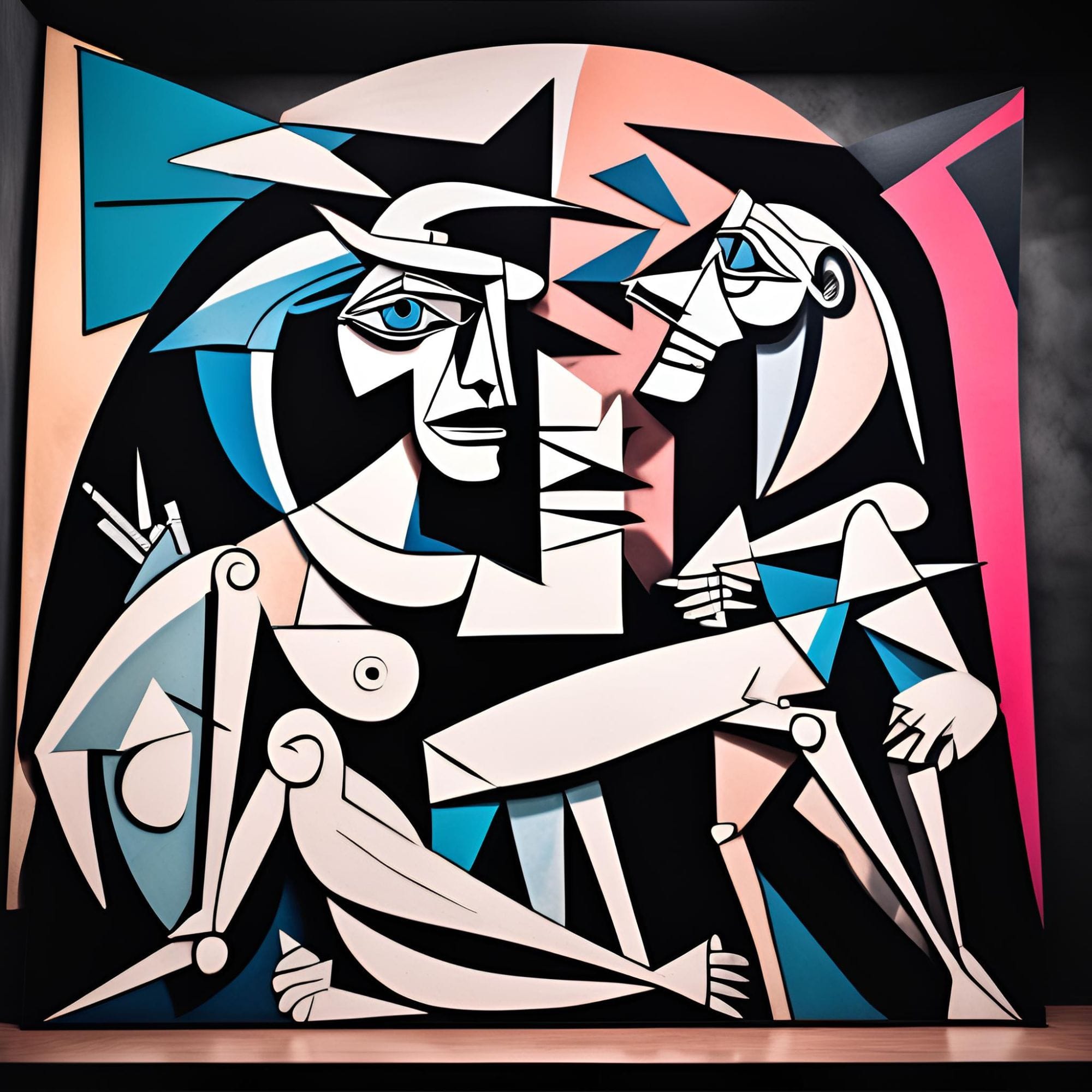
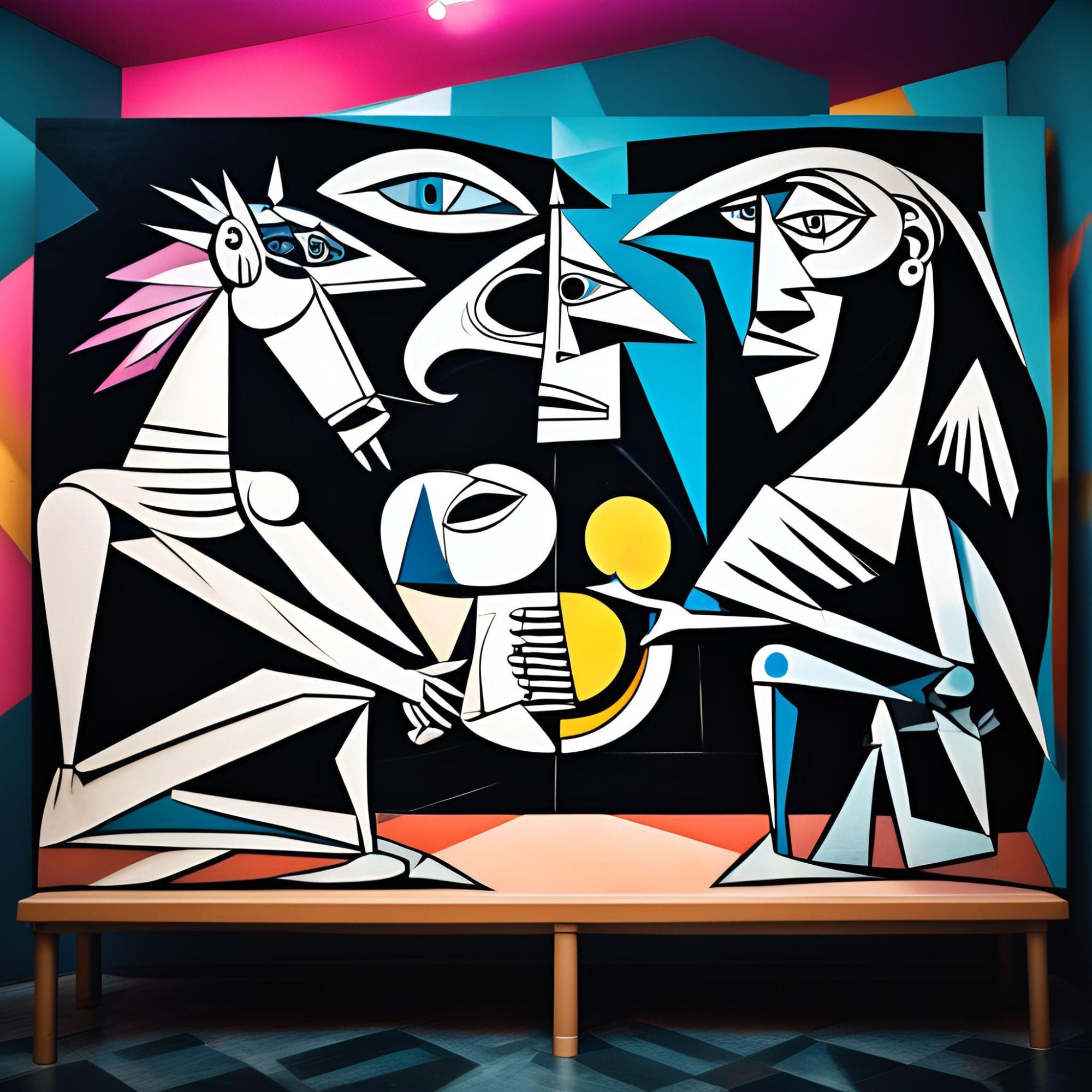
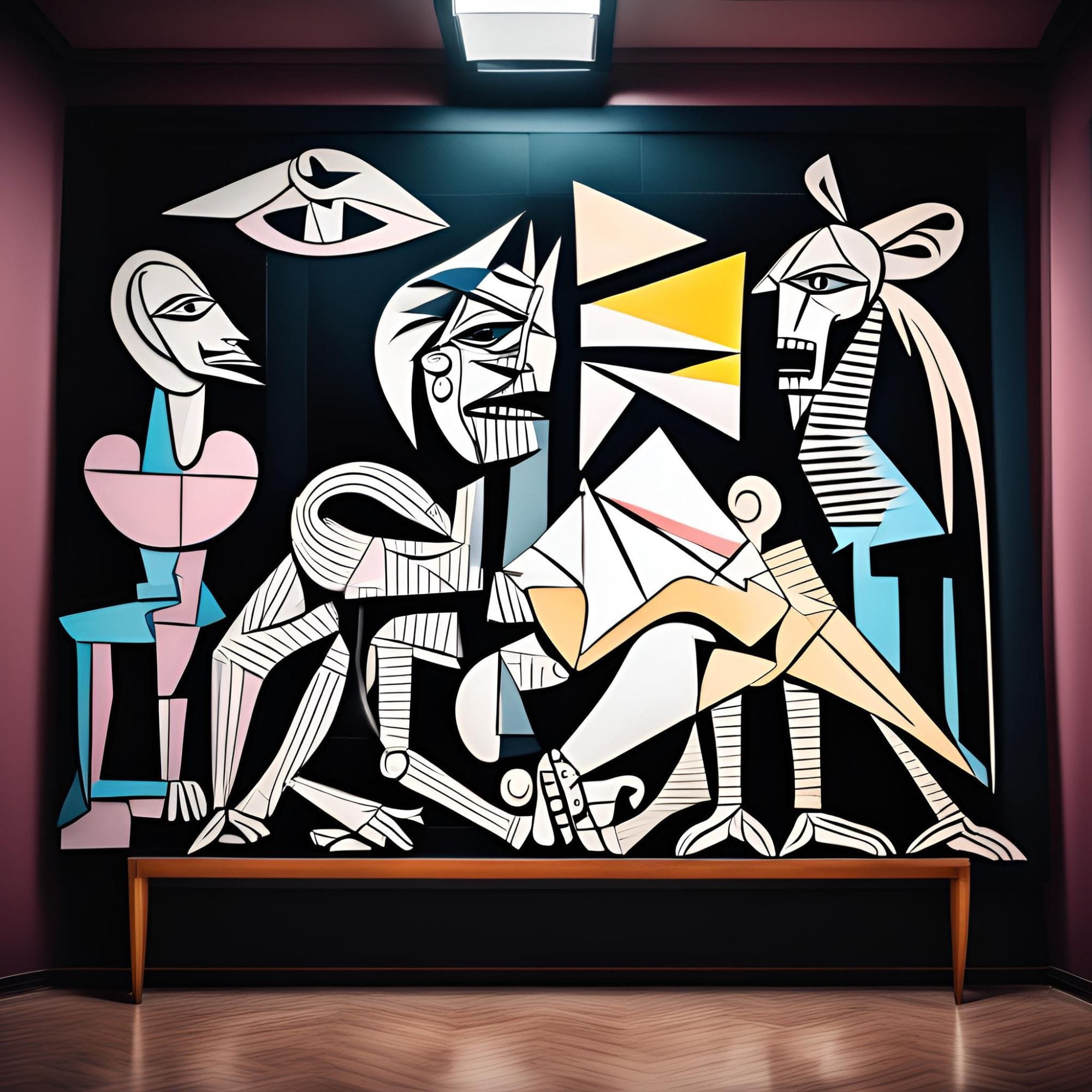
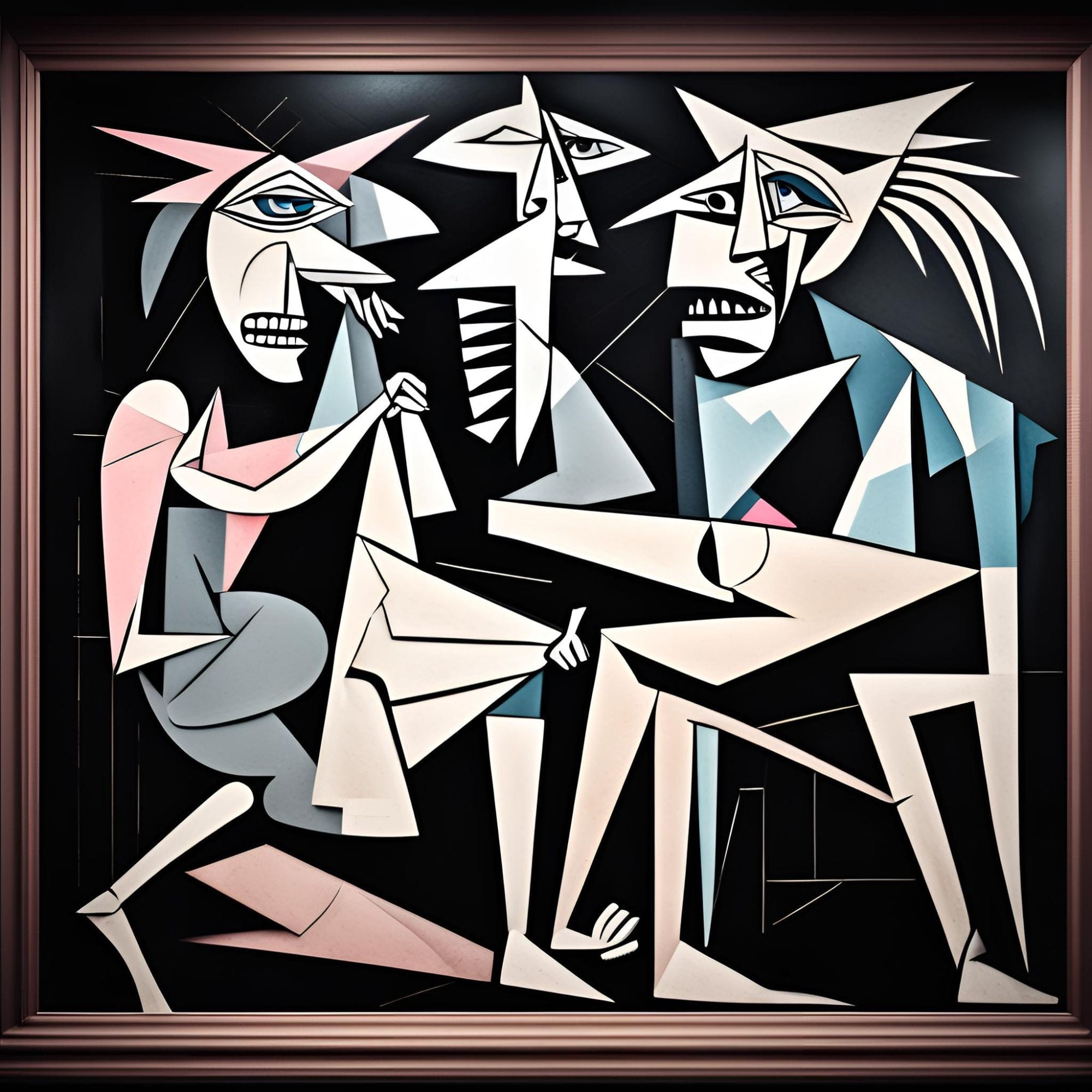
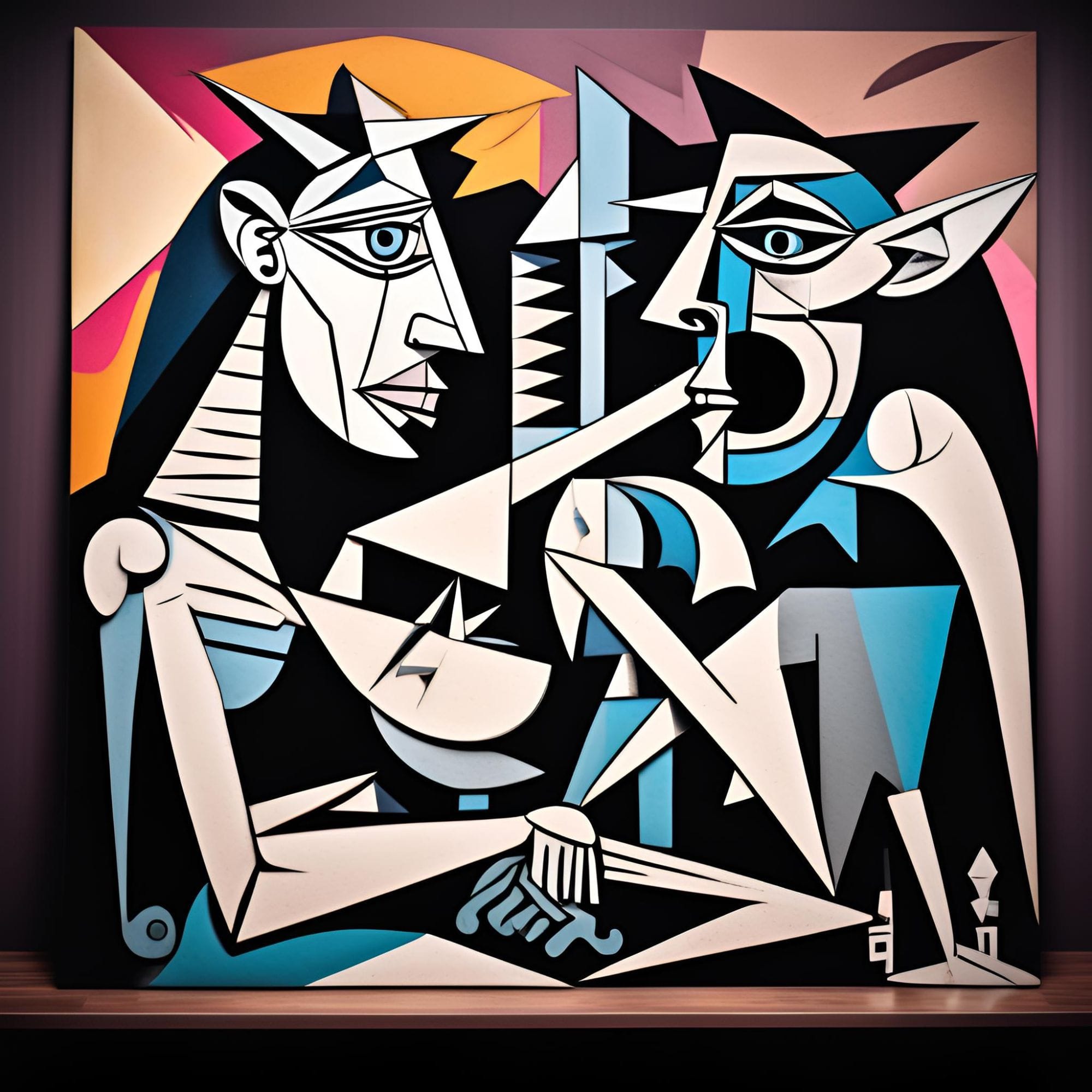
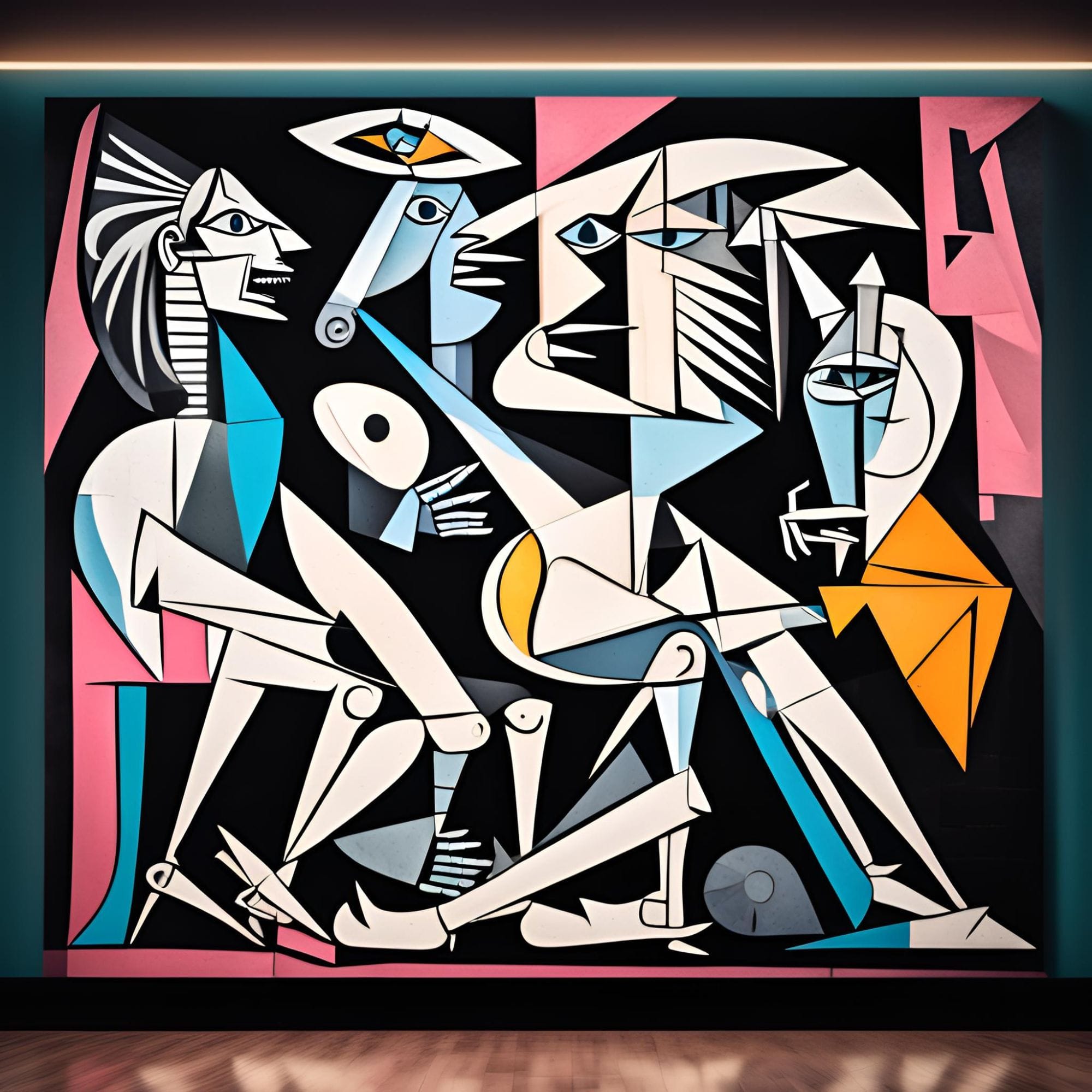
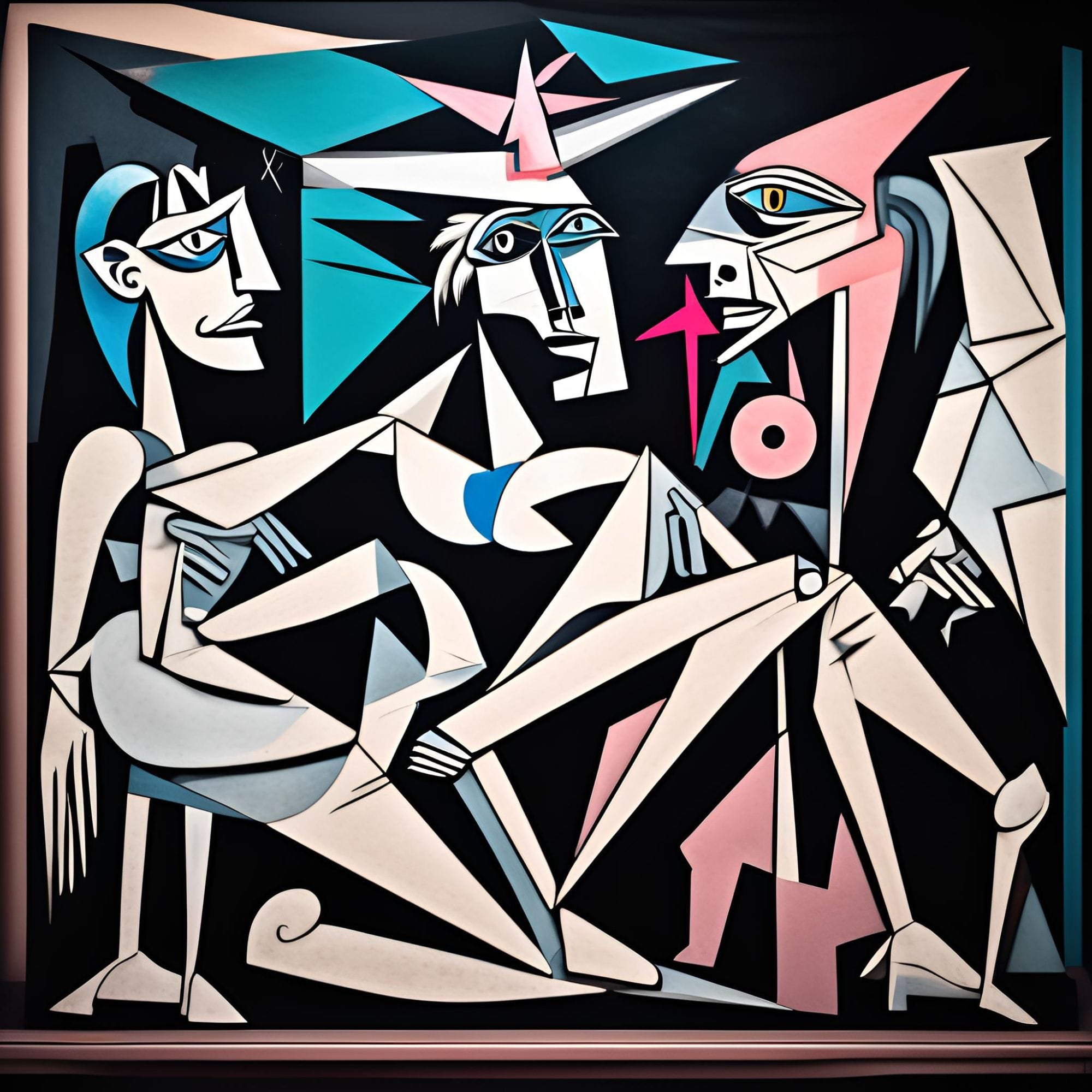
Introduction to Picasso's Guernica
Pablo Picasso's Guernica is a monumental work in modern art, renowned not only for its striking visual impact but also for its profound commentary on the human condition amidst the horrors of war. Created in response to the bombing of the Basque town of Guernica during the Spanish Civil War in 1937, this painting serves as a powerful protest against the atrocities of conflict and the suffering inflicted upon innocent lives.
Understanding the historical context surrounding Guernica is essential to grasp its significance. The bombing, executed by Nazi German and Italian Fascist air forces supporting Francisco Franco's Nationalist forces, resulted in widespread destruction and tragic loss of life. This horrific event illuminated the brutal realities of modern warfare and the vulnerability of civilian populations—themes that Picasso masterfully encapsulates in his work.
In art history, Guernica is often considered one of the most important anti-war artworks of the 20th century, influencing generations of artists and activists. Its stark imagery and emotional depth resonate powerfully with viewers, provoking reflection on the consequences of violence and the resilience of the human spirit.
At the time of creating Guernica, Picasso was already an established artist, known for his contributions to various artistic movements, including Cubism. However, this painting marked a pivotal moment in his career, reflecting not only his artistic evolution but also his deepening political consciousness. As Picasso grappled with the unfolding tragedy in Spain, he channeled his emotions into this work, which would forever alter the landscape of contemporary art and ignite discussions about the role of art in society.
This section sets the stage for a nuanced exploration of this iconic masterpiece, delving into its historical context, significance in art history, and Picasso's personal circumstances at the time of its creation.
Themes Represented in Guernica
Pablo Picasso's Guernica transcends mere visual representation; it serves as a powerful commentary on the ravages of war, human suffering, and the anguish that accompanies violence. Within its chaotic composition, several profound themes emerge, each contributing to the overall impact of the work.
The Impact of War and Violence
At the core of Guernica lies a visceral representation of the destruction wrought by war. The painting vividly depicts the chaos and devastation resulting from the bombing, serving as a stark indictment of the violence that humanity inflicts upon itself. The dismembered bodies, frantic animals, and overwhelming sense of turmoil encapsulate the horror of war and its indiscriminate nature. Through Guernica, Picasso conveys that war is not merely a political event, but a deeply personal tragedy that reverberates through families and communities.
Suffering and Human Emotion
The emotional weight of Guernica is palpable, capturing the profound suffering of individuals caught in the throes of conflict. The figures depicted—such as the anguished mother clutching her dead child, the screaming horse, and the distorted faces—embody raw, visceral responses to pain and loss. Picasso's ability to convey intense emotional states through exaggerated forms and expressions allows viewers to connect with the universal experience of grief and despair. This theme of suffering transcends the specific historical context of the Spanish Civil War, resonating with anyone who has experienced loss, making Guernica a timeless reflection on human emotion amid tragedy.
Symbolism of the Figures and Elements
The symbolism within Guernica is rich and multifaceted, inviting a variety of interpretations. Each figure and element serves a specific purpose, conveying deeper meanings beyond their immediate visual representation. For instance, the bull is often interpreted as a symbol of brutality and darkness, while the light bulb overhead may represent enlightenment or the destructive power of technology. The horse symbolizes the suffering of the people, representing the Spanish populace caught amidst the turmoil. Furthermore, the myriad of fragmented shapes and distorted forms reflects the chaos and disarray of human experience during war. Together, these symbols create a tapestry of horror and despair, allowing Guernica to communicate complex themes about humanity’s capacity for violence and the consequences that follow.
In summary, the themes represented in Guernica intertwine to create a profound critique of war and its impact on human beings. Through its exploration of violence, suffering, and rich symbolism, Picasso’s masterpiece continues to resonate with audiences, inviting reflection on the enduring consequences of human conflict.
Artistic Techniques Used in Guernica
Pablo Picasso’s Guernica is not only a powerful political statement but also a masterclass in artistic techniques that enhance its emotional impact and narrative depth. Through a monochromatic palette, strategic composition, and influences from both Cubism and Surrealism, Picasso crafts a visual experience that resonates with viewers on multiple levels.
Use of Monochromatic Palette
One of the most striking features of Guernica is its deliberate choice of a monochromatic palette. The painting is rendered primarily in shades of black, white, and gray, evoking a sense of starkness and severity that mirrors the horrors of war. This limited color scheme heightens the emotional intensity of the work and emphasizes the themes of suffering and despair. By eliminating color, Picasso strips away distractions, compelling viewers to confront the raw anguish depicted in the figures. The absence of vibrant hues aligns with the bleakness of the subject matter and reinforces the painting’s status as a poignant anti-war statement.
Composition and Visual Storytelling
The composition of Guernica is a carefully orchestrated arrangement of figures and elements, each contributing to a larger narrative. The chaotic layout creates a sense of movement and urgency, guiding the viewer's eye across the canvas. Central to the composition is the bull, often interpreted as representing brutality and darkness, juxtaposed with human figures in agony, such as the mother holding her dead child. The use of diagonal lines and fragmented forms conveys disarray, reflecting the turmoil of the bombing. Additionally, the varying scales of the figures enhance the emotional weight of the scene, with larger figures dominating the space to evoke a sense of overwhelming despair. Each element interconnects, creating a cohesive visual story that encapsulates the chaos and horror of war.
Influence of Cubism and Surrealism
Guernica is deeply rooted in Picasso's earlier artistic explorations, particularly his involvement with Cubism and Surrealism. The fragmented forms and multiple perspectives are hallmarks of Cubism, a movement Picasso co-founded. This approach allows for a dynamic representation of reality, presenting various angles and interpretations simultaneously. The distorted faces and bodies echo the disorientation experienced during wartime, challenging the viewer's perception of reality.
Furthermore, Surrealism’s influence is evident in the dreamlike quality of certain elements within Guernica. The nightmarish imagery, such as the screaming horse and the dismembered soldier, evokes a sense of the irrational and the subconscious, capturing the psychological trauma of war. By blending these artistic movements, Picasso creates a complex visual language that transcends straightforward representation, encouraging viewers to engage with the deeper emotional and political implications of the work.
In conclusion, the artistic techniques employed in Guernica are integral to its power and significance. The monochromatic palette heightens emotional impact, the composition weaves a compelling story of suffering, and the influences of Cubism and Surrealism elevate the painting beyond mere representation to a profound commentary on the human condition in times of conflict. Through these techniques, Picasso memorializes the tragedy of the bombing and invites ongoing reflection and discourse on the nature of war and its effects on humanity.
Legacy of Guernica
Impact on Contemporary Art and Culture
Pablo Picasso's Guernica has left an indelible mark on contemporary art and culture, transcending its original context to become a universal symbol of the horrors of war. Since its unveiling in 1937, the painting has inspired countless artists across various mediums, from visual arts to literature and music. Its raw emotional power and stark visual language have prompted artists to explore themes of violence, chaos, and human suffering in innovative ways. The painting's influence can be observed in later movements such as Abstract Expressionism and Neo-Expressionism, where artists sought to convey deep emotional experiences through bold, tumultuous imagery.
Moreover, Guernica has permeated popular culture, appearing in films, documentaries, and even video games, often serving as a poignant reminder of the consequences of conflict. Its imagery has been appropriated and reinterpreted, reinforcing its status as a cultural touchstone. The painting's enduring relevance attests to Picasso's ability to encapsulate complex emotions and historical moments in a single powerful image.
Role in Anti-War Movements
Guernica has also played a significant role in anti-war movements, emerging as a powerful emblem of protest against the atrocities of war. Its depiction of suffering and despair resonates with audiences worldwide, serving as a rallying cry for those advocating for peace and justice. The painting's stark portrayal of the civilian toll of conflict has inspired generations of activists to use it as a platform for raising awareness about the human cost of war.
Throughout the decades, Guernica has featured in numerous demonstrations, art exhibitions, and political campaigns, reinforcing its status as a symbol of resistance against oppression and violence. Its presence at various international events, such as the United Nations, has further solidified its role as a visual manifesto for peace. The painting’s message continues to inspire discussions around the ethics of war and the importance of empathy in times of conflict.
Preservation and Display of the Painting
The preservation and display of Guernica have been critical in maintaining its legacy and ensuring that future generations can engage with its powerful imagery. After its completion, the painting embarked on a global tour, becoming an internationally recognized masterpiece. For many years, Guernica resided at the Museum of Modern Art (MoMA) in New York City, accessible to millions of visitors. In 1981, upon the return of democracy to Spain, the painting was repatriated to its homeland, where it is now housed in the Museo Reina Sofía in Madrid.
The museum has implemented significant measures to preserve the painting, employing state-of-the-art technology to monitor its condition and protect it from environmental damage. Additionally, Guernica is often incorporated into educational programs and exhibitions, ensuring that the historical context and themes of the painting are communicated to a broader audience. The ongoing efforts to maintain and display Picasso's work reflect a commitment to honoring its legacy and fostering a deeper understanding of its relevance in today's world.
In summary, the legacy of Guernica is multifaceted, encompassing its profound impact on contemporary art, its pivotal role in anti-war movements, and the dedicated efforts to preserve and display this iconic work. As a timeless symbol of the human experience in the face of adversity, Guernica continues to resonate, encouraging dialogue about violence, suffering, and the enduring quest for peace.
Conclusion and Reflections on Guernica
In conclusion, Pablo Picasso's Guernica stands as a monumental testament to the horrors of war and the universal suffering it inflicts upon humanity. Created in response to the brutal bombing of the Basque town of Guernica during the Spanish Civil War, the painting transcends its historical origins to become a powerful symbol of anti-war sentiment that resonates today. Through its striking imagery and profound emotional impact, Guernica compels viewers to confront the grim realities of violence and the fragility of life.
The painting's significance in art history cannot be overstated; it represents a pivotal moment in modern art, pushing the boundaries of expression to their limits. Picasso's innovative use of form and color, alongside the thematic depth of the work, has inspired countless artists and movements since its creation. The fusion of Cubism and Surrealism within Guernica exemplifies the evolution of art as a reflection of societal turmoil, showcasing how creative expression can serve as both a mirror and a critique of the world.
Furthermore, Guernica continues to play a vital role in contemporary discourse surrounding war and peace. It has become an emblem for anti-war movements worldwide, reminding us that the consequences of conflict extend far beyond the battlefield. The painting's preservation and display at the Museo Reina Sofía in Madrid ensure that its message endures, reaching new generations of viewers who can engage with its themes and reflect on the ongoing struggles against violence and oppression.
As we reflect on Guernica, we are reminded of the responsibility of artists and individuals alike to speak out against injustice. Picasso's work urges us to bear witness to the suffering of others and challenges us to advocate for a more compassionate and peaceful world. In this way, Guernica remains not only a significant work of art but also a rallying cry for humanity to strive toward understanding and empathy in the face of adversity.