
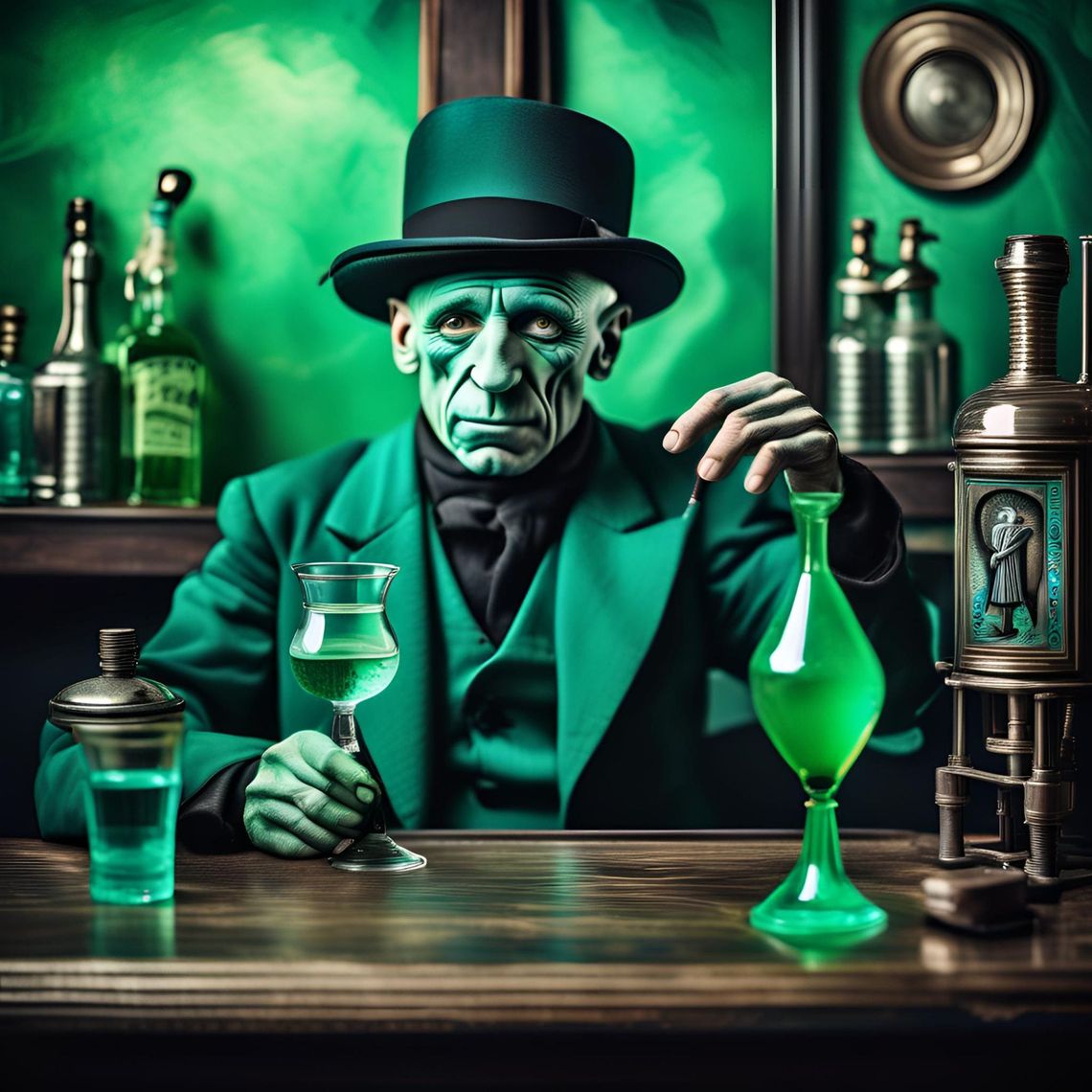
"Picasso and Absinthe: The Artistic Alchemy of a Troubled Genius"
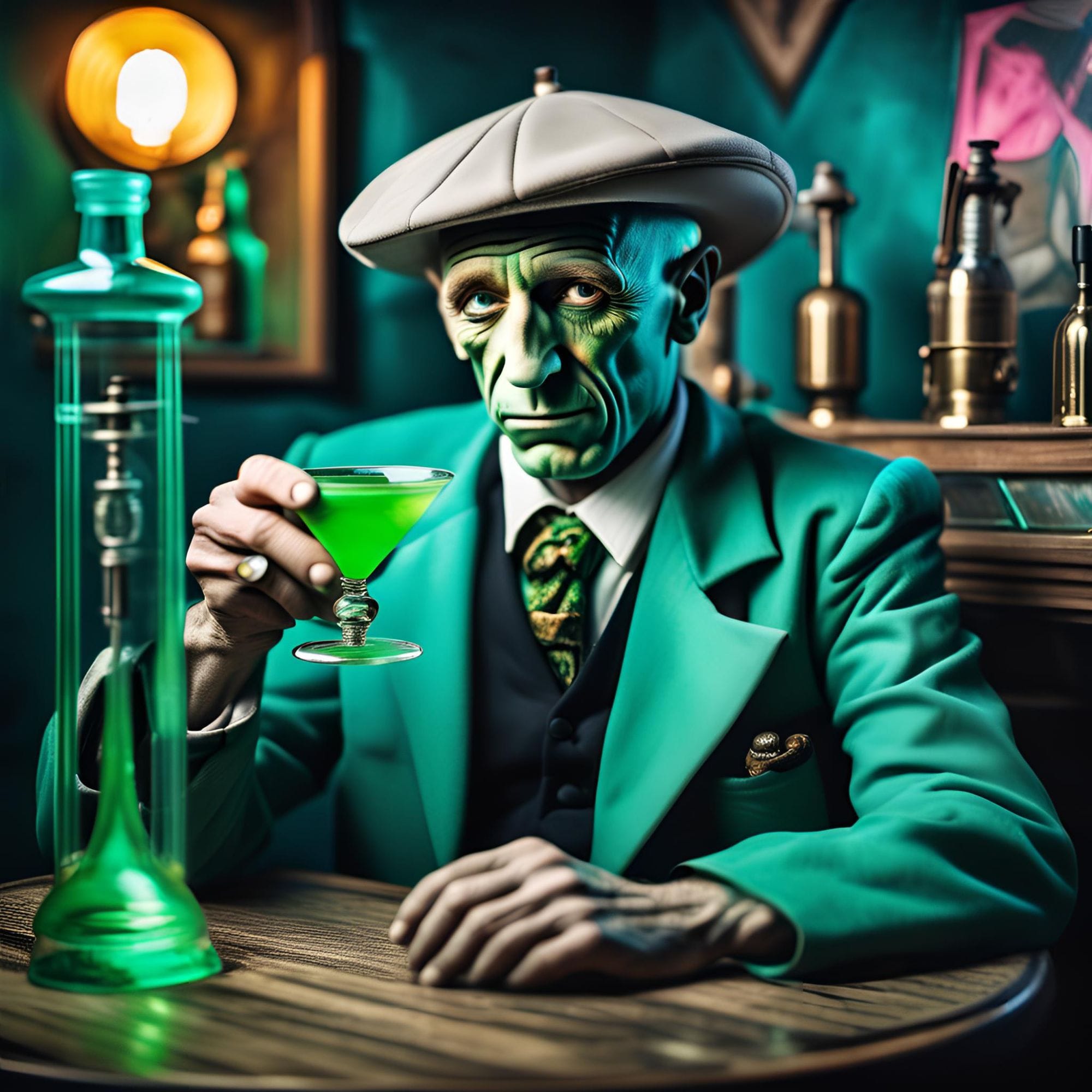
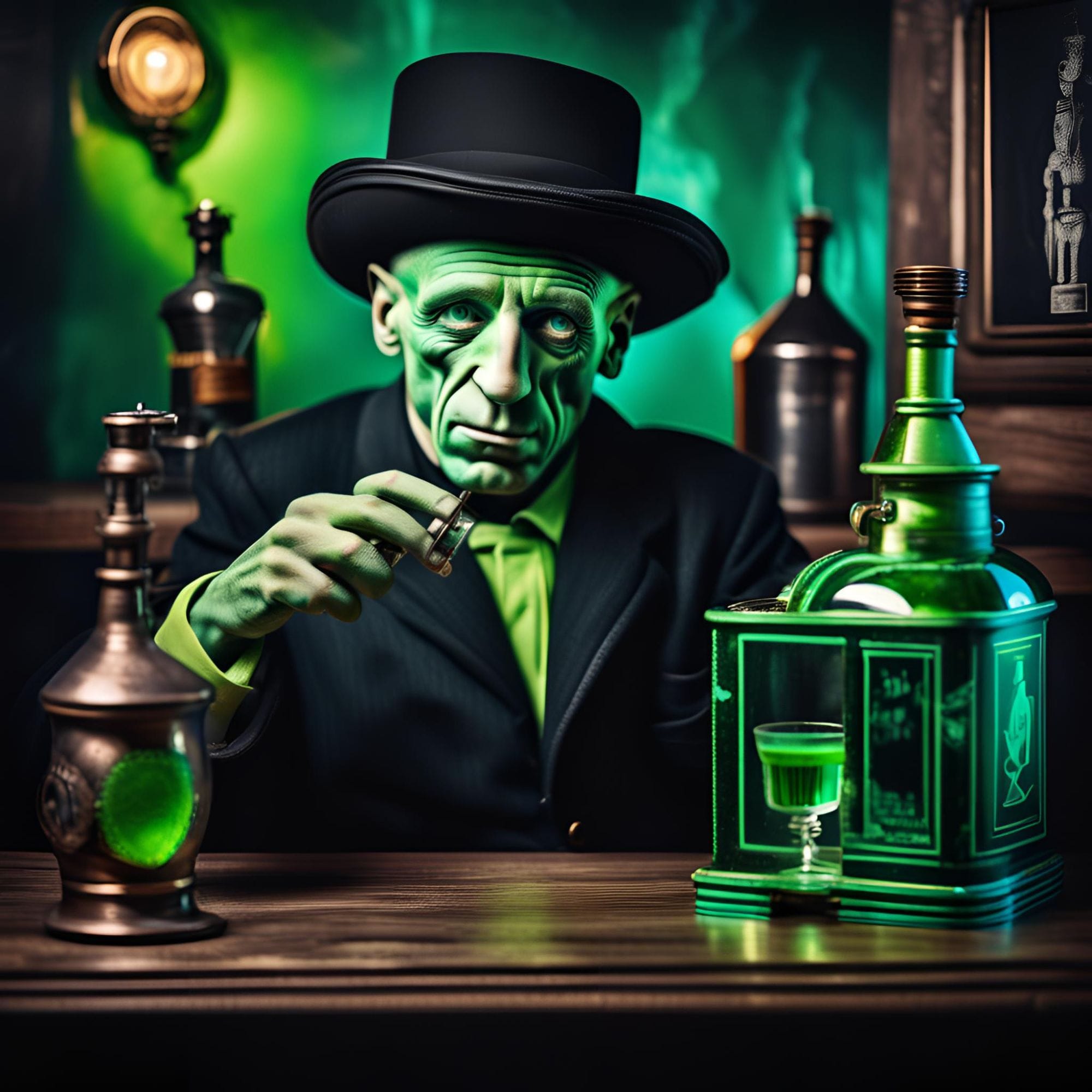
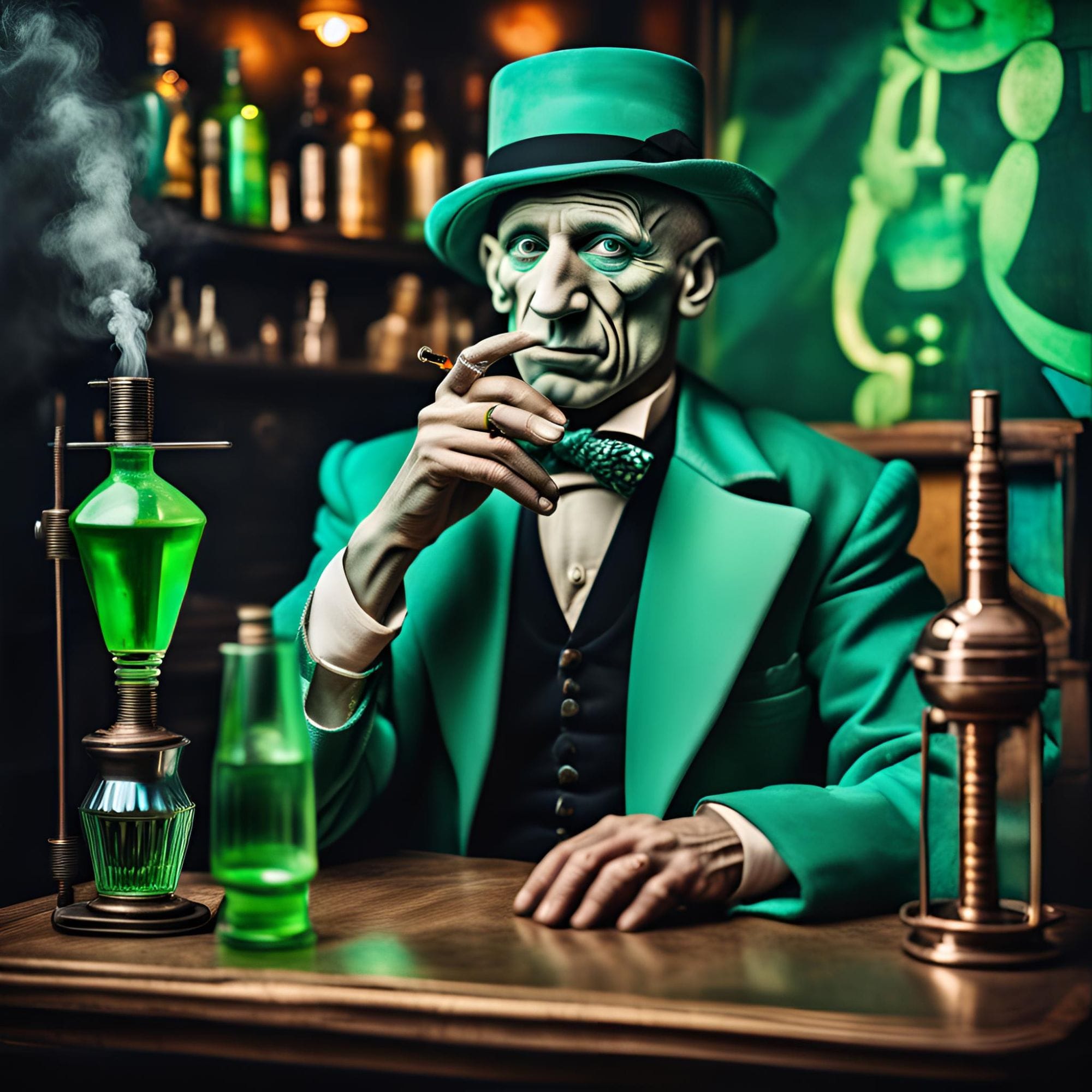
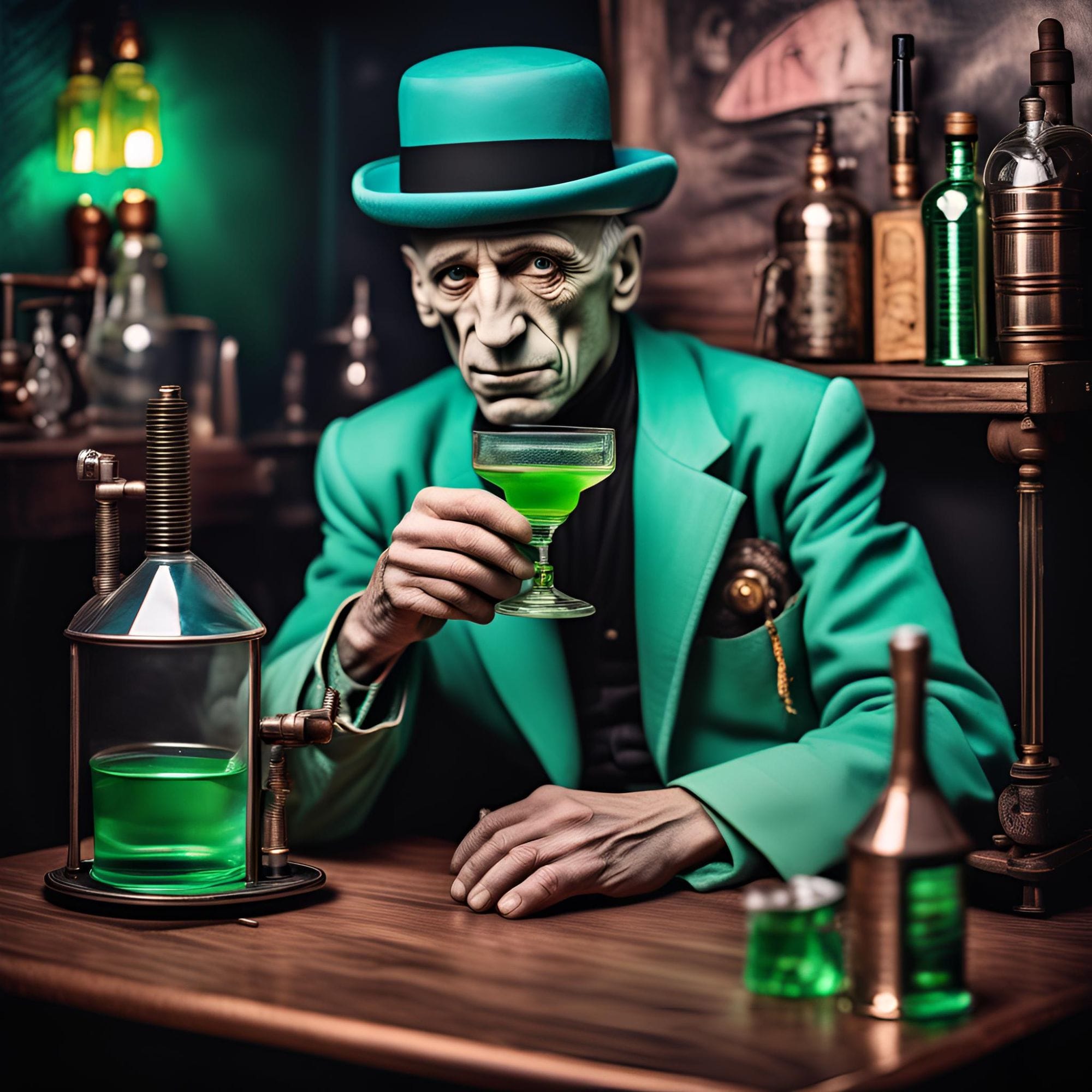
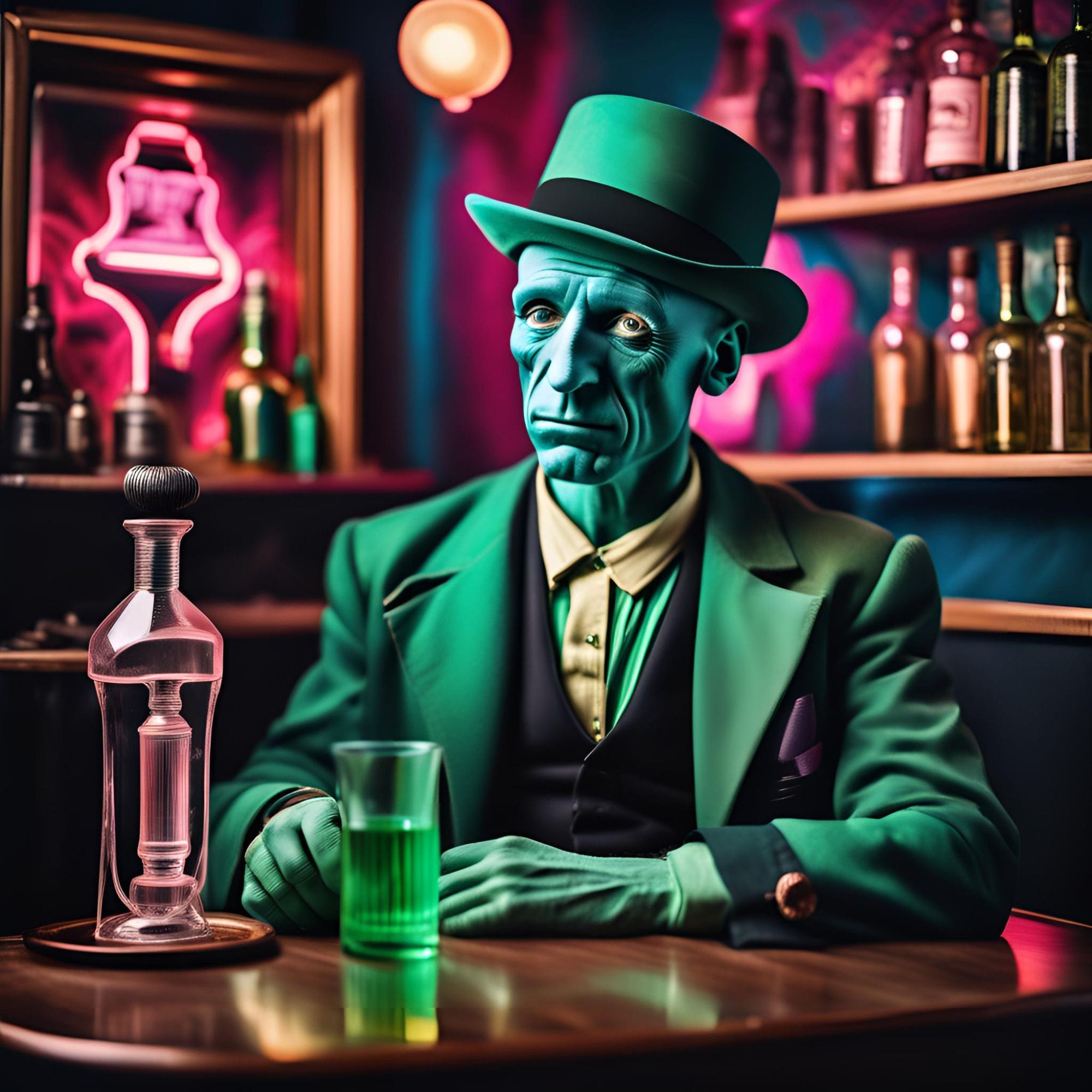
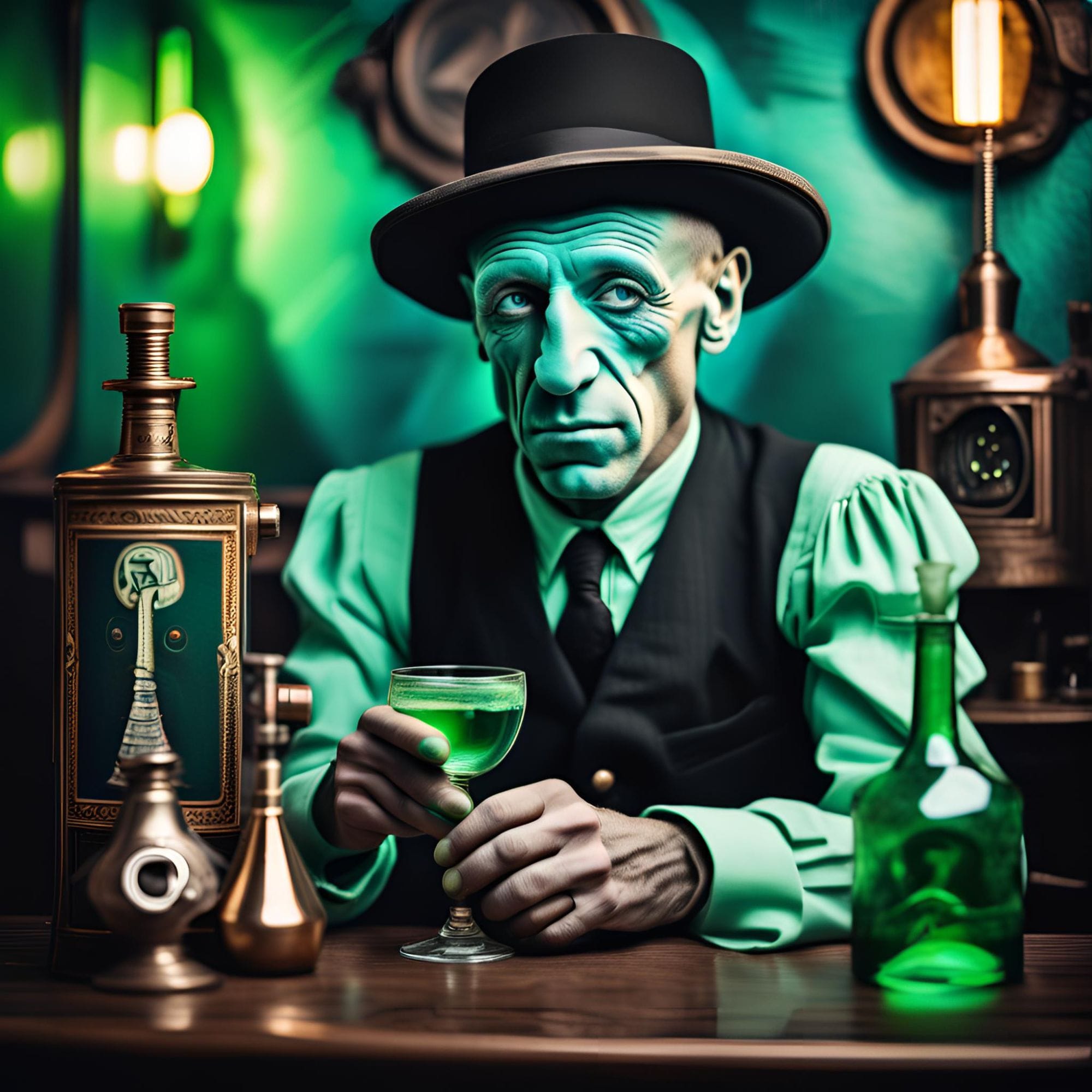
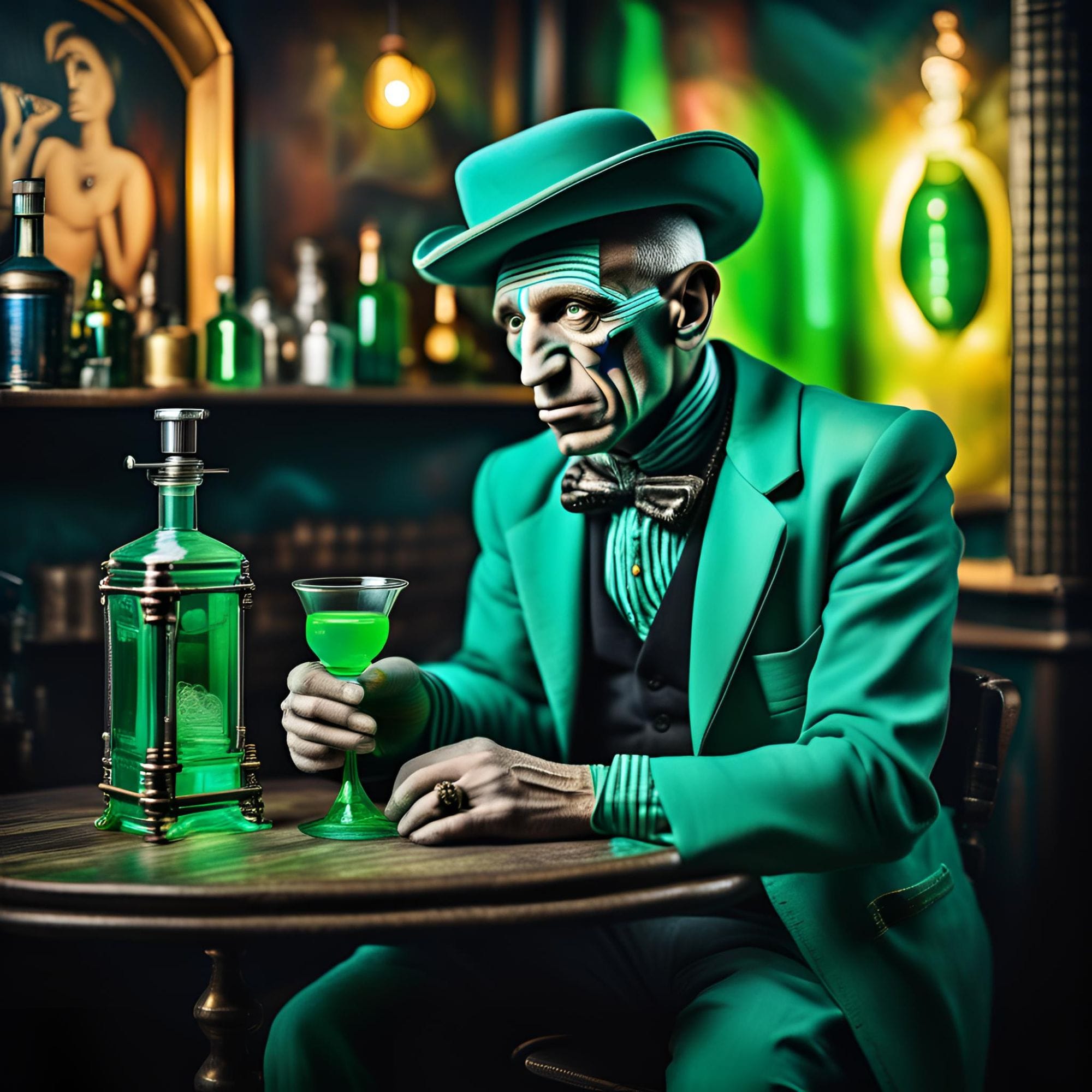
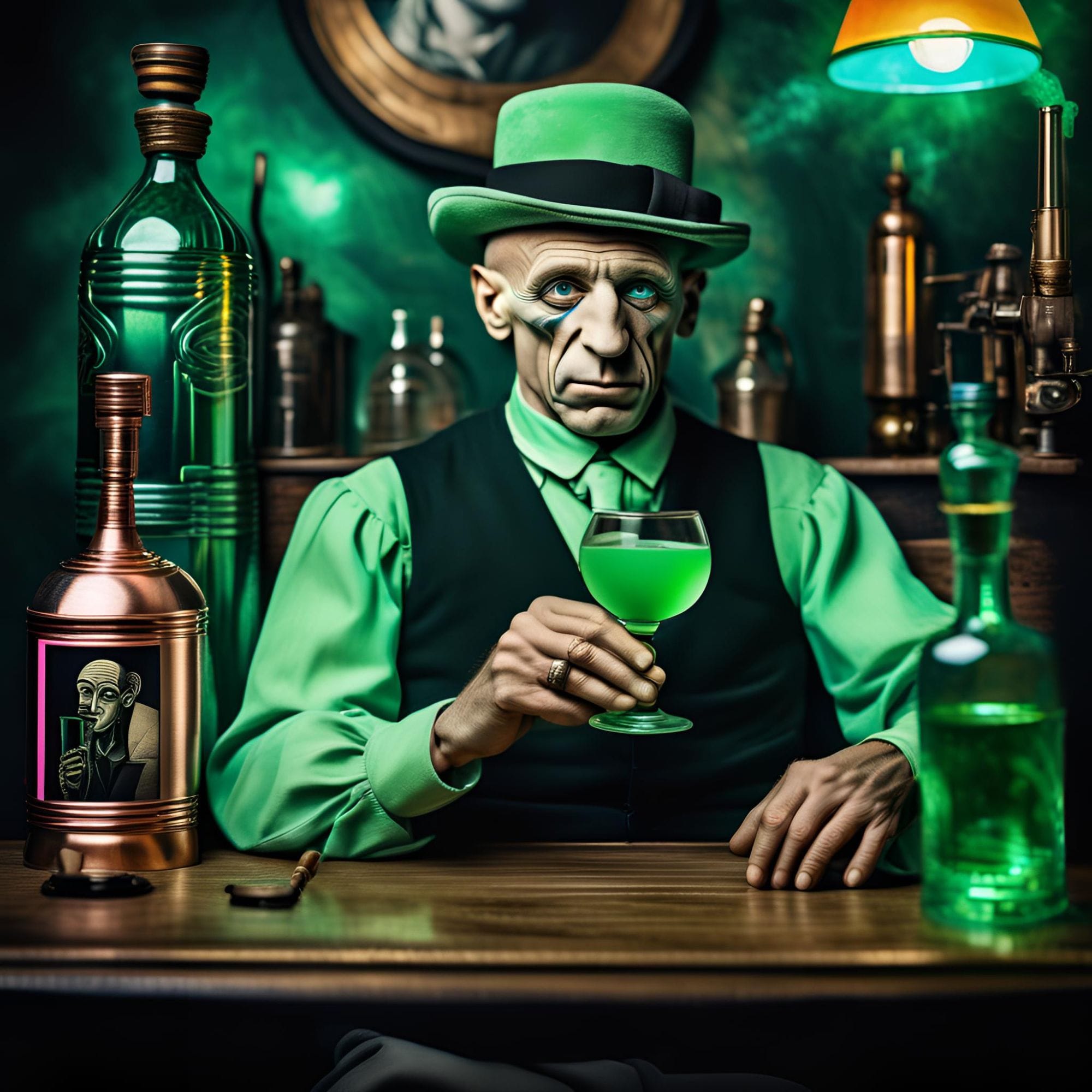
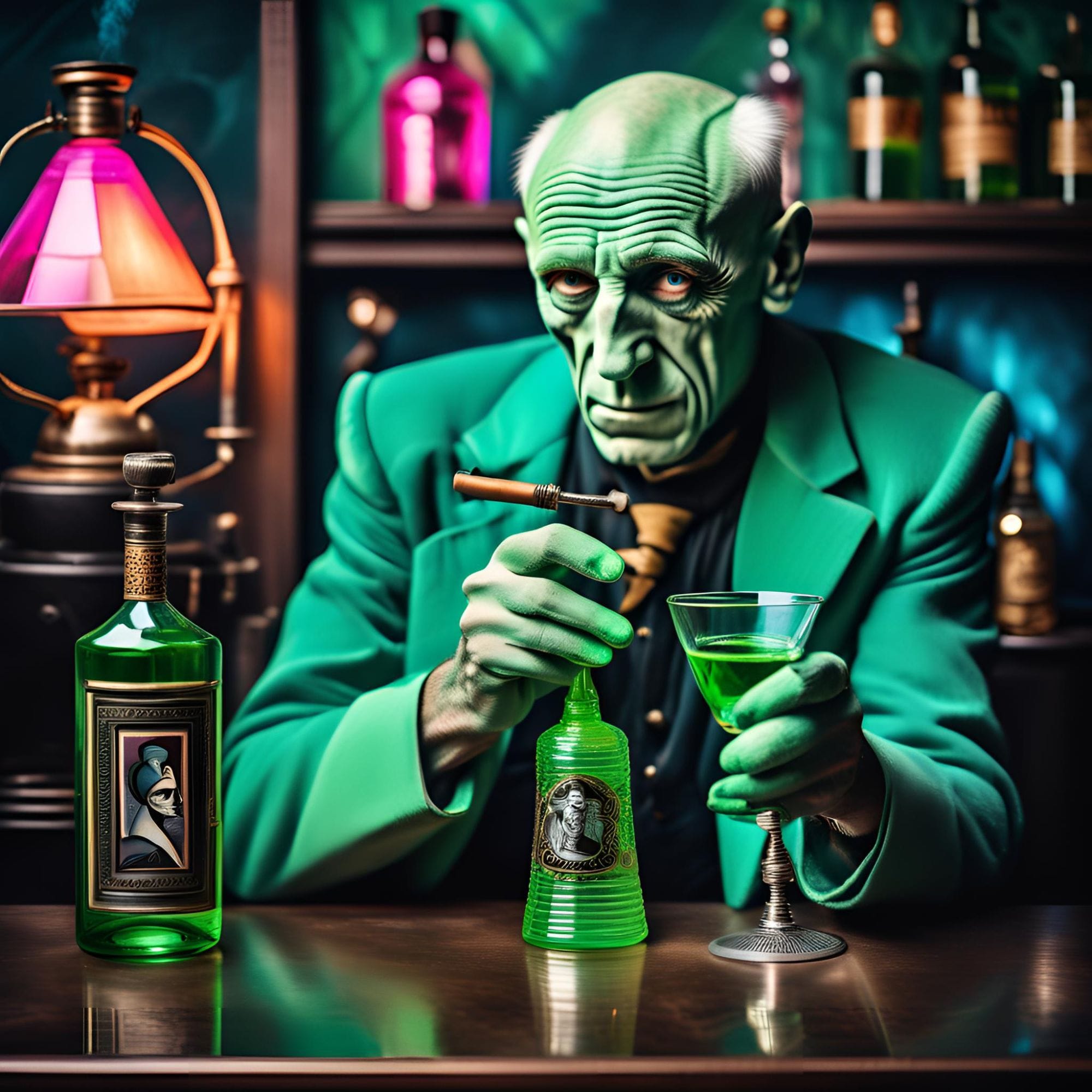
Introduction to Picasso and Absinthe
Pablo Picasso, one of the most celebrated and influential artists of the 20th century, is renowned for his groundbreaking contributions to modern art. Born in Málaga, Spain, in 1881, Picasso's artistic journey spanned over seven decades and included co-founding the Cubist movement, inventing constructed sculpture, and co-inventing collage. His oeuvre is characterized by a profound exploration of form, color, and emotion, reflecting the tumultuous times in which he lived. Among the myriad influences that shaped his artistic vision, the intoxicating allure of absinthe—a spirit that was both revered and reviled—played a significant role.
In the late 19th century, absinthe emerged as more than just a popular alcoholic beverage; it became a cultural phenomenon that captivated the bohemian circles of Paris. Often referred to as "the green fairy" due to its vibrant color and mythical associations, absinthe was celebrated for its supposed hallucinogenic properties and its ability to inspire creativity. Artists, writers, and intellectuals flocked to cafés and bars, indulging in this anise-flavored spirit, believing that it would unlock deeper levels of artistic expression. For Picasso, whose life was intertwined with the vibrant and often chaotic atmosphere of Montmartre, absinthe was not merely a drink but a symbol of artistic struggle and a catalyst for profound explorations of human emotion.
The relationship between artists and absinthe during this period was complex and multifaceted. While many found solace and inspiration in its intoxicating embrace, others succumbed to its darker side, often associated with madness and despair. For Picasso, absinthe served as both muse and adversary, influencing his work in ways that resonated throughout his various artistic periods. Understanding this relationship provides essential context for examining how absinthe shaped not only Picasso's personal experiences but also the broader cultural landscape of his time. As we delve deeper into Picasso's artistic periods, we will uncover the profound impact that absinthe had on his creative evolution and the themes that permeated his work.
Picasso's Artistic Periods and Absinthe Influence
Pablo Picasso's artistic journey is marked by distinct periods, each characterized by unique themes and styles that reflect his evolving vision and emotional state. Absinthe, the notorious green spirit that captivated the Parisian avant-garde, played a significant role in shaping his work during these transformative years. This section delves into how the intoxicating allure of absinthe influenced Picasso's various artistic periods, particularly the Blue Period, the Rose Period, and the advent of Cubism.
The Blue Period and Themes of Melancholy
Picasso's Blue Period, spanning from 1901 to 1904, was marked by deep emotional exploration and a palette dominated by somber hues. During this time, Picasso grappled with personal tragedies and existential themes, often portraying the human condition in its bleakest forms. It was during these years that absinthe emerged as a significant presence in Parisian life, frequented by artists and writers seeking both inspiration and solace.
The drink's association with melancholy and despair resonated profoundly with Picasso's artistic expression. Notable works from this period, such as The Old Guitarist and La Vie, convey a sense of sorrow and isolation, mirroring the emotional weight carried by those who sought refuge in the depths of absinthe. The drink, often linked to madness and creativity, served as both a muse and a vice, influencing the melancholic themes that permeated Picasso's early work.
The Rose Period and the Introduction of Warmth
Transitioning into the Rose Period (1904-1906), Picasso's palette brightened, shifting from cool blues to warm pinks and earthy tones. This transformation coincided with a new phase in his life, marked by personal relationships and a growing sense of optimism. Absinthe, while still present, took on a different connotation during this time; it was no longer solely a symbol of despair but became part of the vibrant social scene that surrounded Picasso.
In the Rose Period, works such as Family of Saltimbanques and Gertrude Stein reflect a more playful and celebratory spirit. The influence of absinthe on this phase can be seen in the lively depictions of performers and bohemians, who often shared absinthe-fueled conversations and camaraderie. The drink continued to serve as a catalyst for creativity, fostering an environment in which Picasso could explore new themes of joy and human connection.
The Influence of Absinthe on Cubism
As Picasso ventured into the revolutionary realm of Cubism in the early 20th century, the influence of absinthe evolved further. This groundbreaking movement, characterized by fragmented forms and multiple perspectives, can be seen as a reflection of the disorienting effects of absinthe itself. The drink's capacity to alter perception and challenge conventional ways of seeing the world resonated with the Cubist ethos, allowing Picasso and his contemporaries to deconstruct and reassemble reality in innovative ways.
Works like Les Demoiselles d'Avignon exemplify this shift, showcasing the bold experimentation that defined Cubism. The spirit of absinthe lingered in the air, inspiring a radical departure from traditional representation and inviting viewers to engage with art in a more dynamic and participatory manner. In this context, absinthe transcended its role as a mere beverage; it became emblematic of the avant-garde spirit that Picasso and his fellow artists embodied.
In summary, Picasso's artistic periods are deeply intertwined with his relationship to absinthe. From the melancholic tones of the Blue Period to the vibrant expressions of the Rose Period and the revolutionary ideas of Cubism, absinthe served as both an influence and a reflection of the artist's evolving psyche. As we continue to explore the cultural impact of absinthe in Picasso's era, it becomes evident that this enigmatic drink was more than just a muse; it was a vital thread woven into the fabric of modern artistry.
Cultural Impact of Absinthe in Picasso's Era
Absinthe's Portrayal in Art and Literature
Absinthe, often referred to as "the green fairy," became a muse for many artists and writers during the late 19th and early 20th centuries. Its allure was not only in its distinctive taste and vibrant green color but also in the mystique surrounding its consumption. In literature, absinthe was frequently romanticized and associated with bohemian lifestyles. Writers such as Charles Baudelaire and Oscar Wilde penned verses that immortalized the drink as a catalyst for creativity, introspection, and, at times, despair. The drink was often depicted as a double-edged sword—offering inspiration while also hinting at potential madness.
Similarly, painters like Henri Toulouse-Lautrec and Édouard Manet captured the essence of absinthe in their works, portraying drinkers in dimly lit cafés and smoky salons, enveloped in a haze of artistic fervor. Picasso himself was influenced by these representations as he navigated the complex emotions and experiences that absinthe imbued in his life and work. The drink became a symbol of the tortured artist, a motif that resonated deeply within the cultural fabric of the time.
The Social Scenes of Paris and the Role of Absinthe
In the vibrant social landscape of Paris, absinthe was more than just a beverage; it was a cultural phenomenon that served as a social lubricant and a rite of passage for many artists and intellectuals. The cafés of Montmartre, where avant-garde thinking flourished, became the epicenter for absinthe consumption. Artists, poets, and musicians gathered to sip this potent elixir, exchanging ideas and pushing the boundaries of their respective crafts.
The drink’s popularity was fueled by its associations with the avant-garde and the rebellion against conventional norms. It was not uncommon for patrons to indulge in multiple glasses of absinthe, leading to spirited discussions that often turned into heated debates about art, philosophy, and politics. This environment fostered camaraderie among artists, including Picasso, who found inspiration in the shared struggles and ambitions of his peers. The rituals surrounding absinthe drinking—including the careful preparation of the drink with sugar and water—added an element of performance to its consumption, further intertwining it with the creative process.
The Decline of Absinthe and Its Legacy
Despite its earlier prominence, absinthe faced increasing scrutiny and vilification by the early 20th century. Concerns over its supposed hallucinogenic properties and its association with moral decay led to widespread campaigns for its prohibition. By 1915, absinthe was banned in many countries, including France, marking a significant shift in cultural attitudes toward the drink.
However, the legacy of absinthe did not vanish with its decline. Instead, it became a symbol of a bygone era of artistic exploration and excess, often romanticized in contemporary narratives about the lives of artists like Picasso. Even after its ban, absinthe continued to inspire fascination and curiosity, paving the way for its eventual resurgence in the late 20th century as artists and enthusiasts sought to revive the traditions associated with this iconic drink.
In this way, absinthe remains a potent symbol of the intertwining of art and substance, reflecting both the creative impulses and the darker undertones of the artistic endeavor. Picasso’s relationship with absinthe, set against this rich cultural backdrop, illustrates how the drink influenced not only his artistic output but also the broader creative movements of his time. As we reflect on the cultural impact of absinthe, it becomes clear that its presence in Picasso's era was instrumental in shaping the narrative of modern art.
Conclusion: The Legacy of Picasso and Absinthe
Reflection on Picasso's Relationship with Absinthe
Pablo Picasso's relationship with absinthe is emblematic of the broader connection between artists and their sources of inspiration. Absinthe, with its vibrant green hue and intoxicating effects, became a muse for Picasso, influencing not only his artistic style but also the emotional depth of his work. As he navigated the complexities of his personal life and the tumultuous world around him, absinthe provided both an escape and a lens through which he could explore themes of despair, love, and ultimately, transformation. The drink's association with the bohemian lifestyle of late 19th-century Paris allowed Picasso to immerse himself in a cultural milieu that celebrated artistic experimentation and emotional expression. His use of absinthe, therefore, was not merely a personal indulgence but a reflection of the zeitgeist that permeated his art and the art community of his time.
Absinthe's Continuing Influence on Modern Art
The legacy of absinthe extends far beyond Picasso's lifetime, influencing generations of artists who have sought to capture the complex interplay between intoxication and creativity. In contemporary art, absinthe continues to symbolize the exploration of altered states of consciousness, serving as a reminder of the fine line between genius and madness that many artists tread. The drink's revival in modern culture, coupled with its romanticized history, has led to renewed interest among artists and art enthusiasts alike. This ongoing fascination speaks to the enduring impact of absinthe as a catalyst for creativity, encouraging artists to delve into their inner worlds and express profound truths through their work.
Final Thoughts on the Intertwining of Art and Substances
The intertwining of art and substances like absinthe highlights a significant aspect of the creative process. Artists throughout history have often turned to external influences—be it alcohol, drugs, or other stimulants—to unlock new dimensions of thought and inspiration. For Picasso, absinthe was more than just a drink; it was a conduit through which he could explore his emotional landscape and challenge artistic conventions. As we reflect on this dynamic relationship, it becomes evident that the dialogues between substance and creativity are complex and multifaceted. They remind us that the pursuit of artistic expression is often fraught with contradictions, where beauty and chaos coexist. Ultimately, Picasso's legacy, intertwined with the spirit of absinthe, invites us to contemplate the delicate balance between creation and consumption, urging us to recognize the profound effects that such substances can have on the evolution of art and the human experience.