
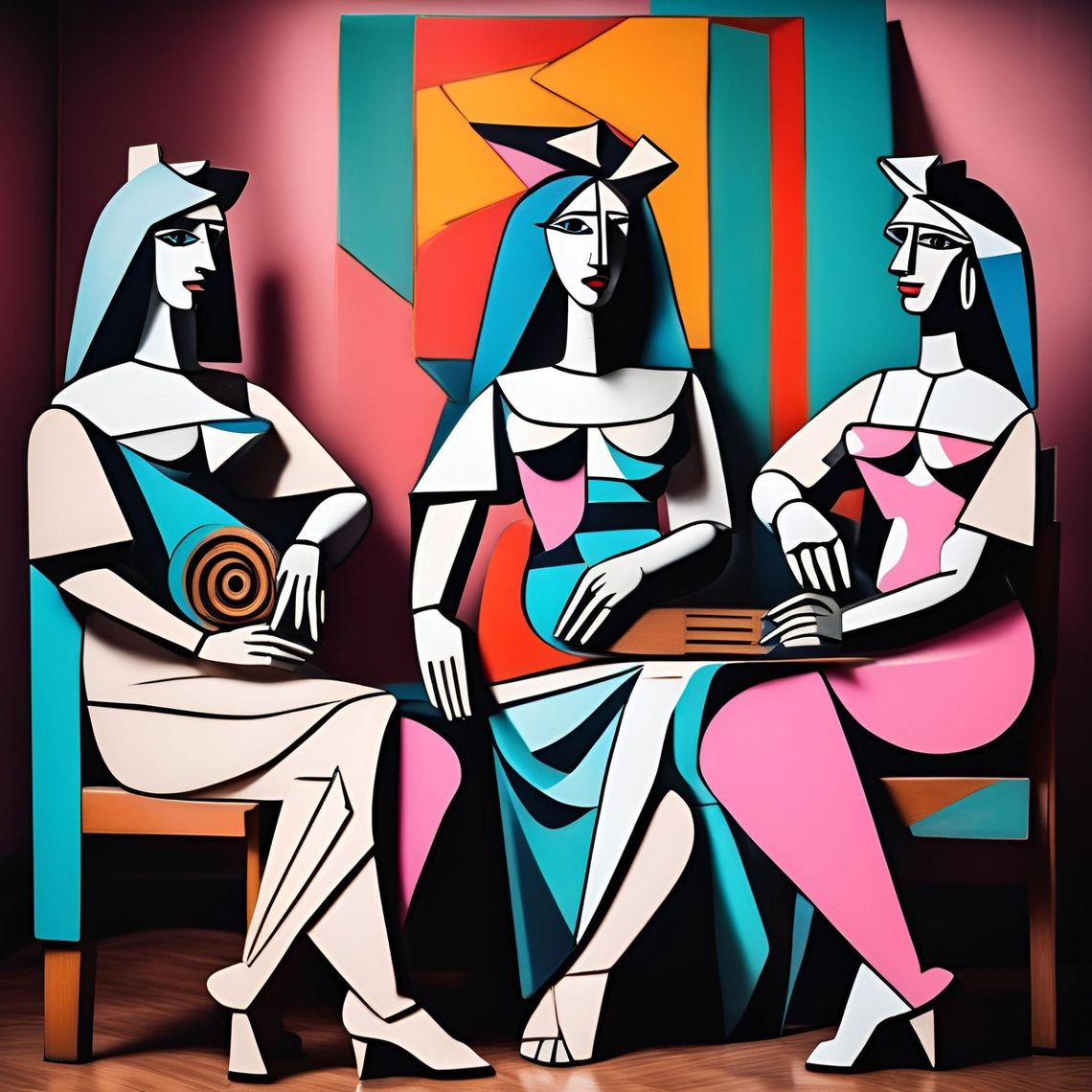
"Les Demoiselles d'Avignon: Picasso's Revolutionary Masterpiece and Its Lasting Impact on Art"
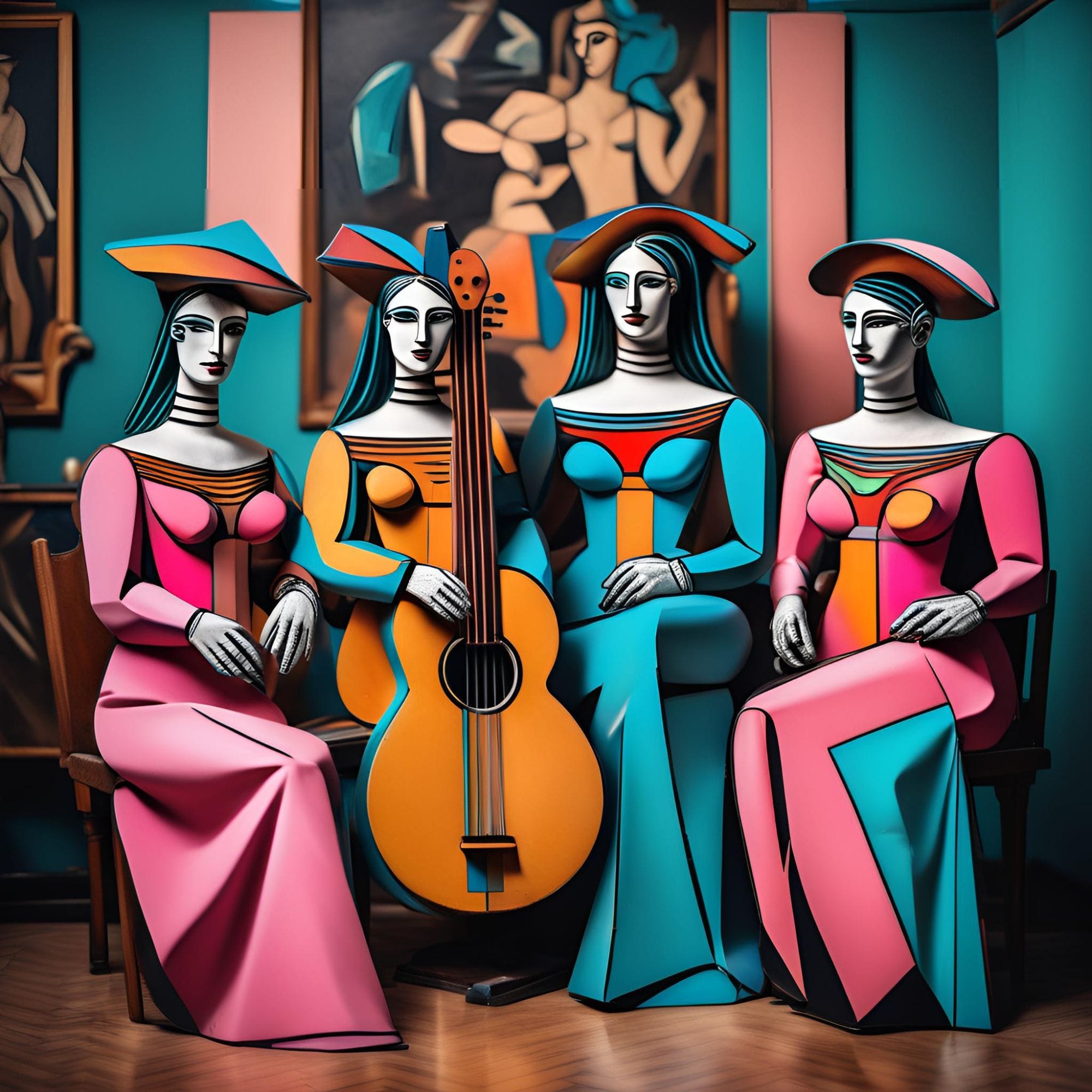
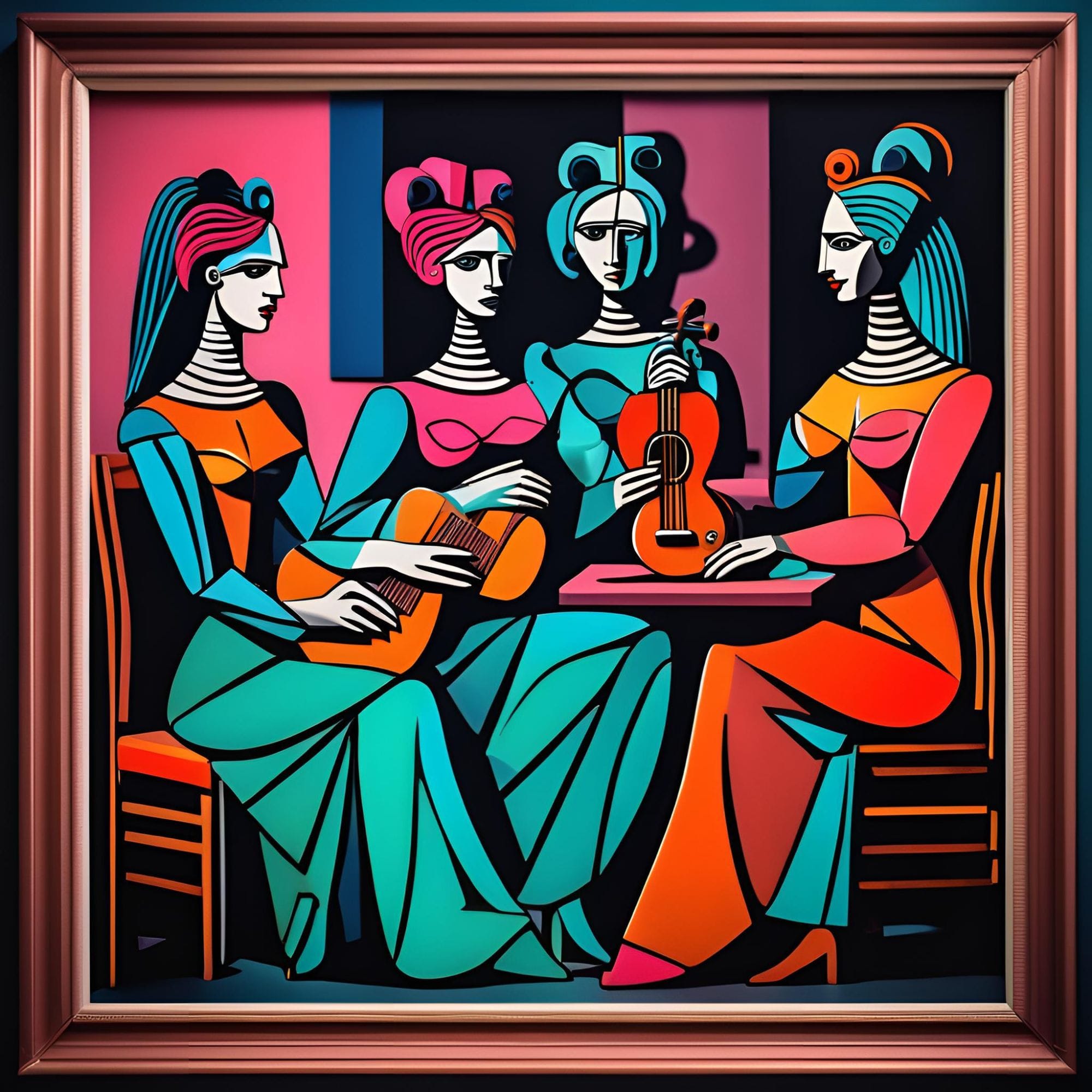
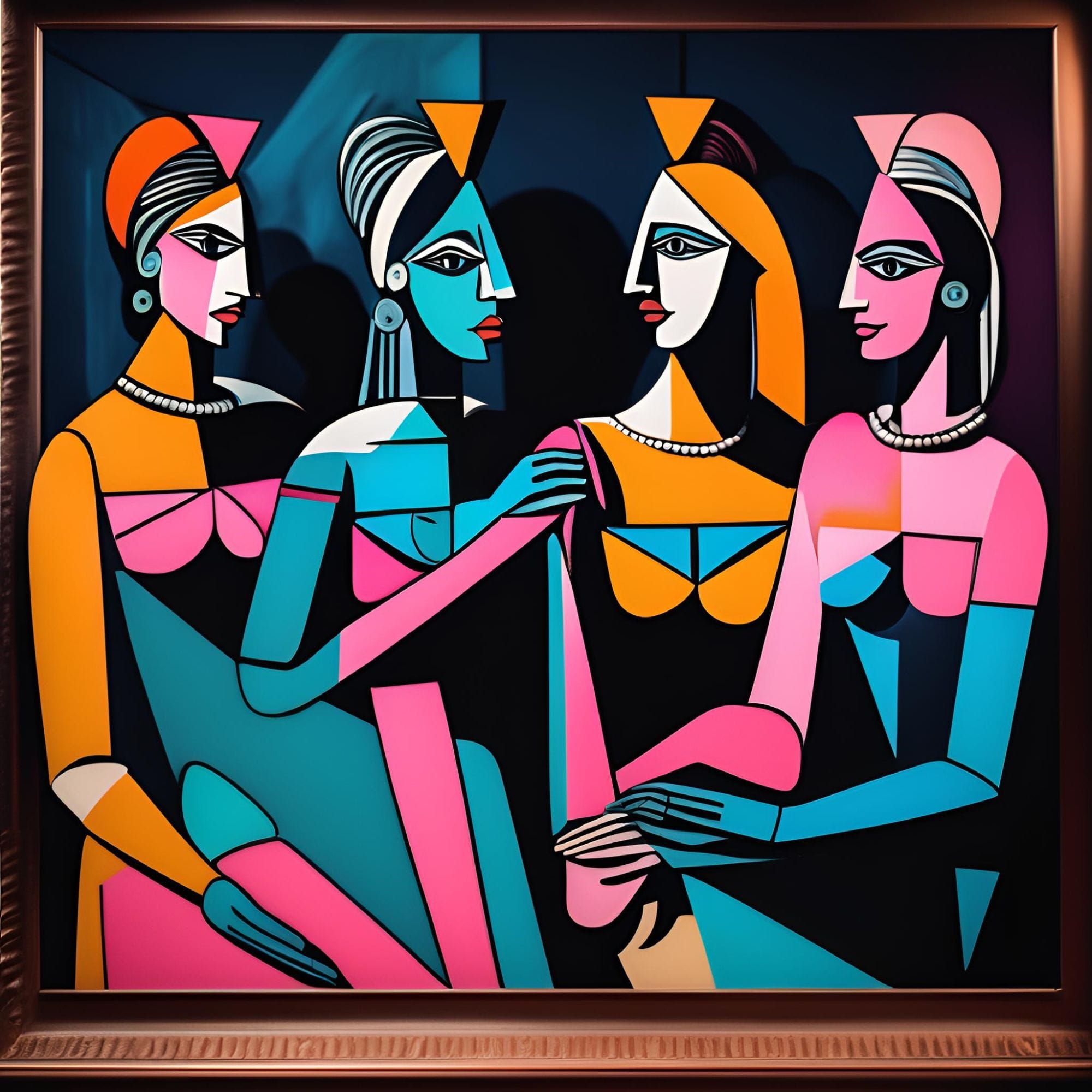
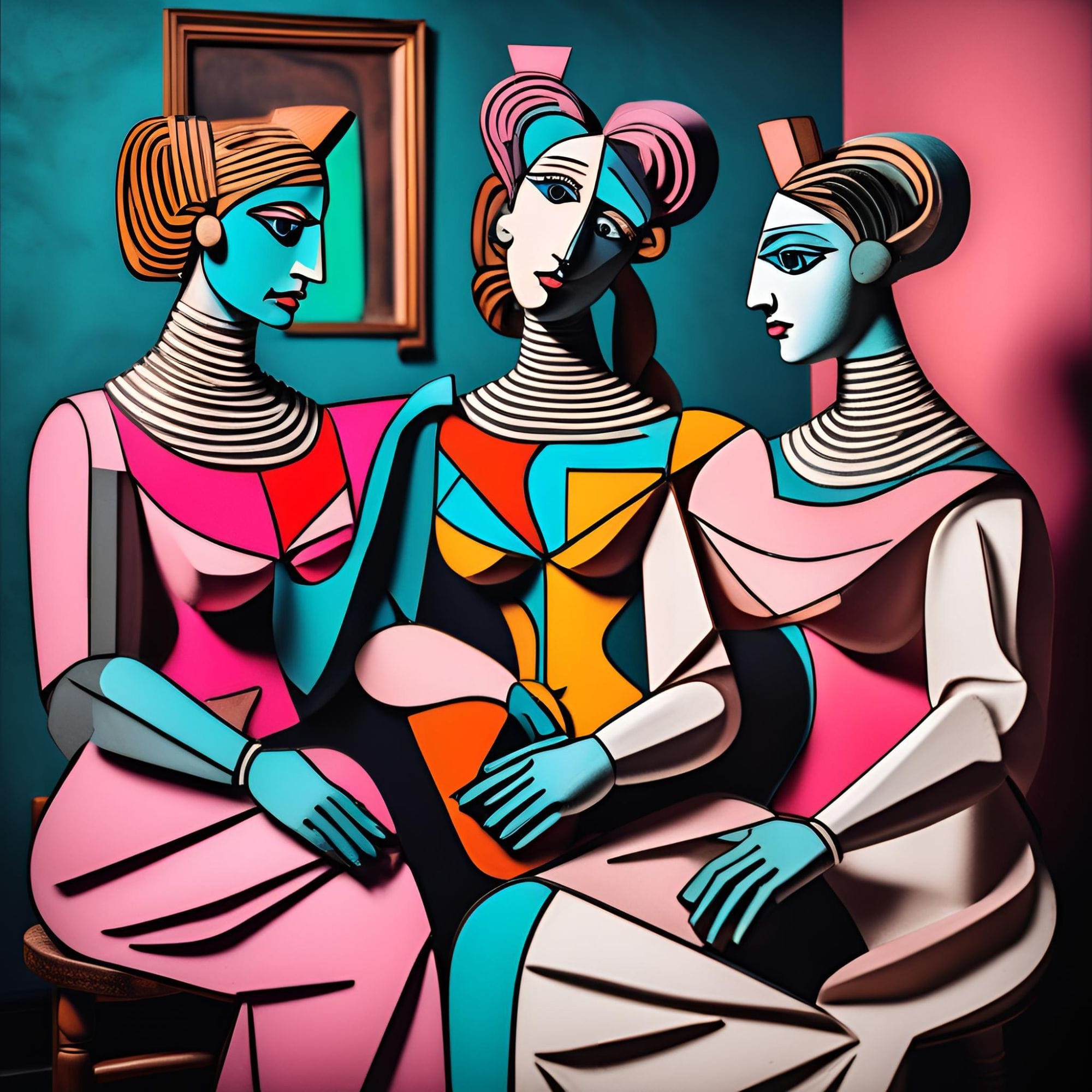
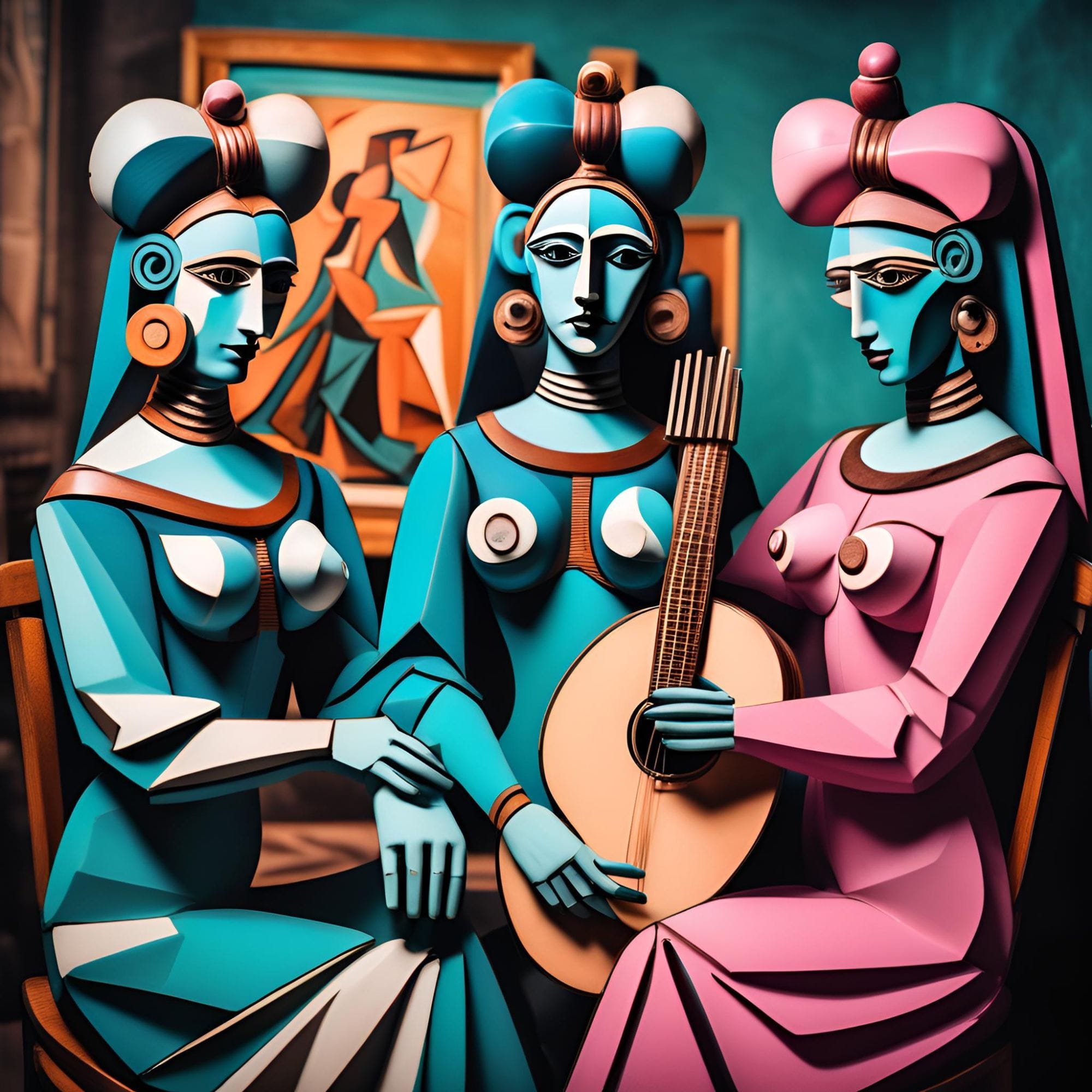
Introduction to Les Demoiselles d'Avignon
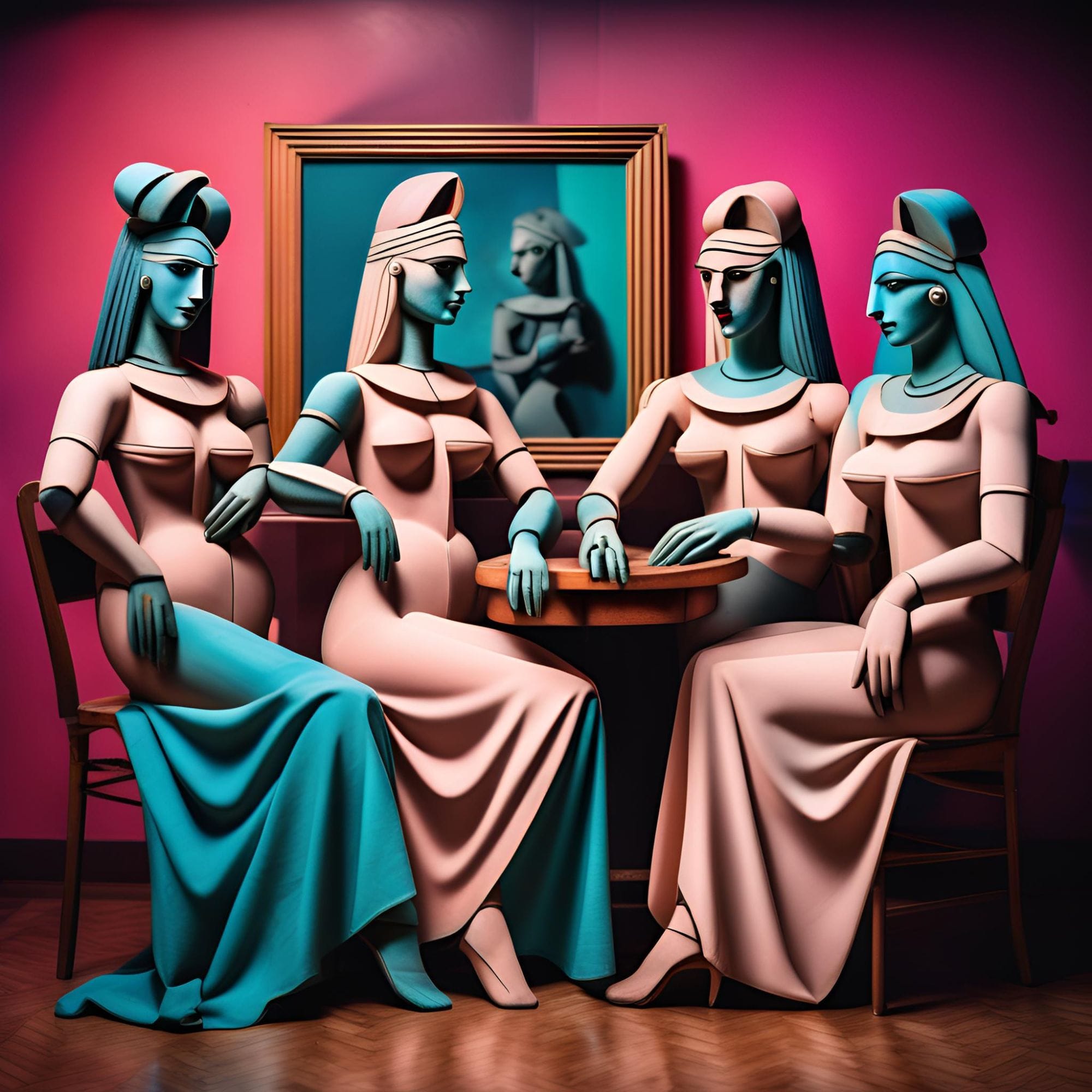
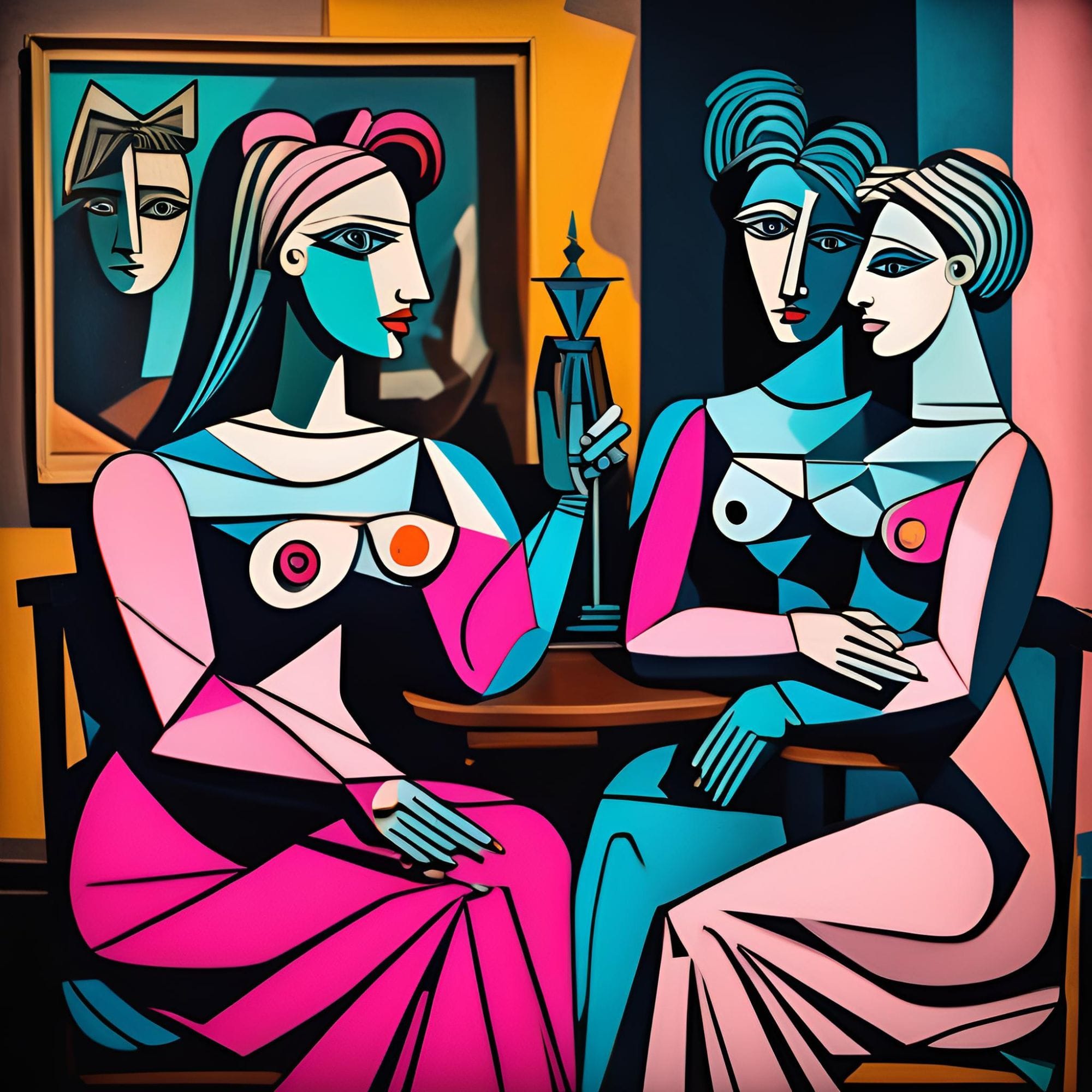
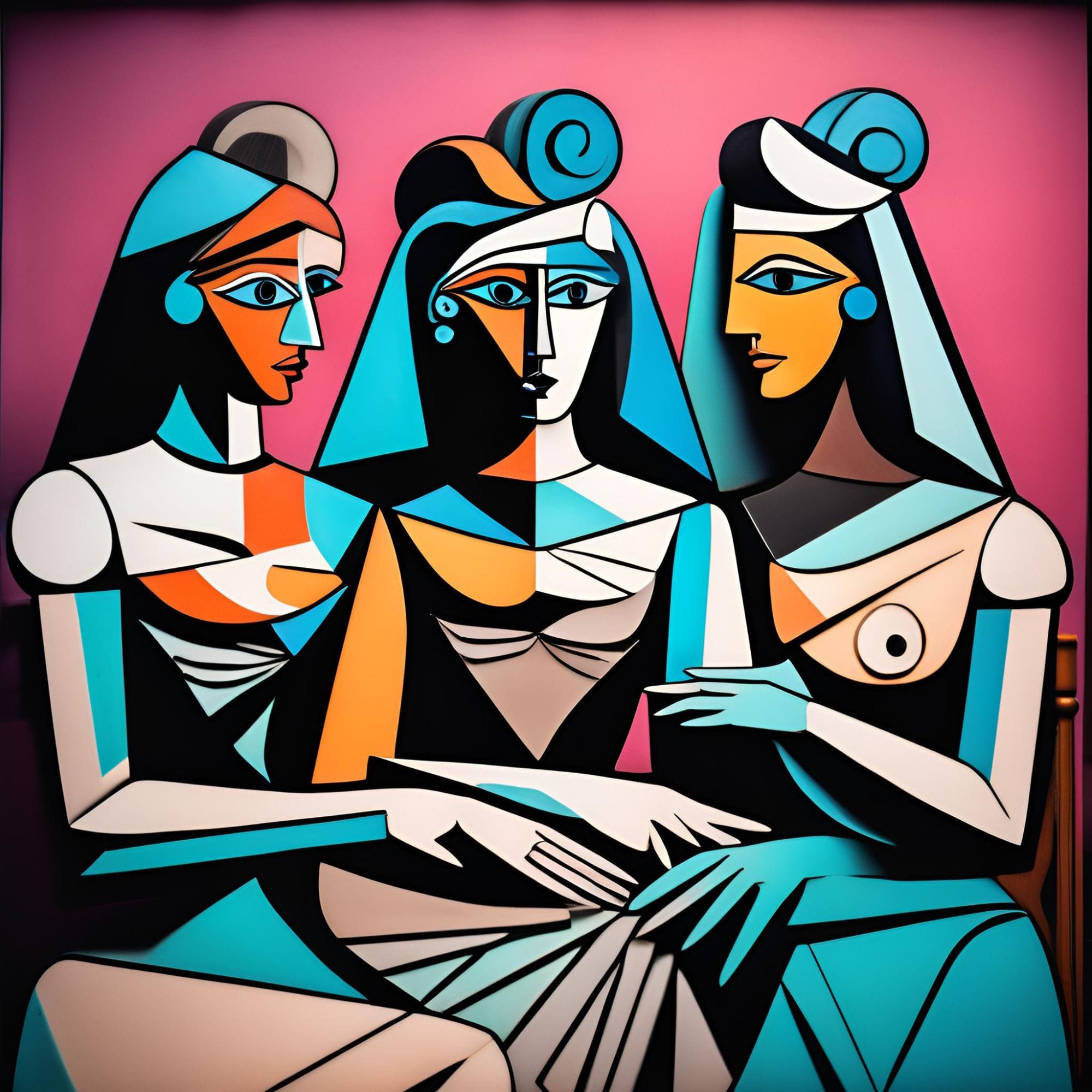
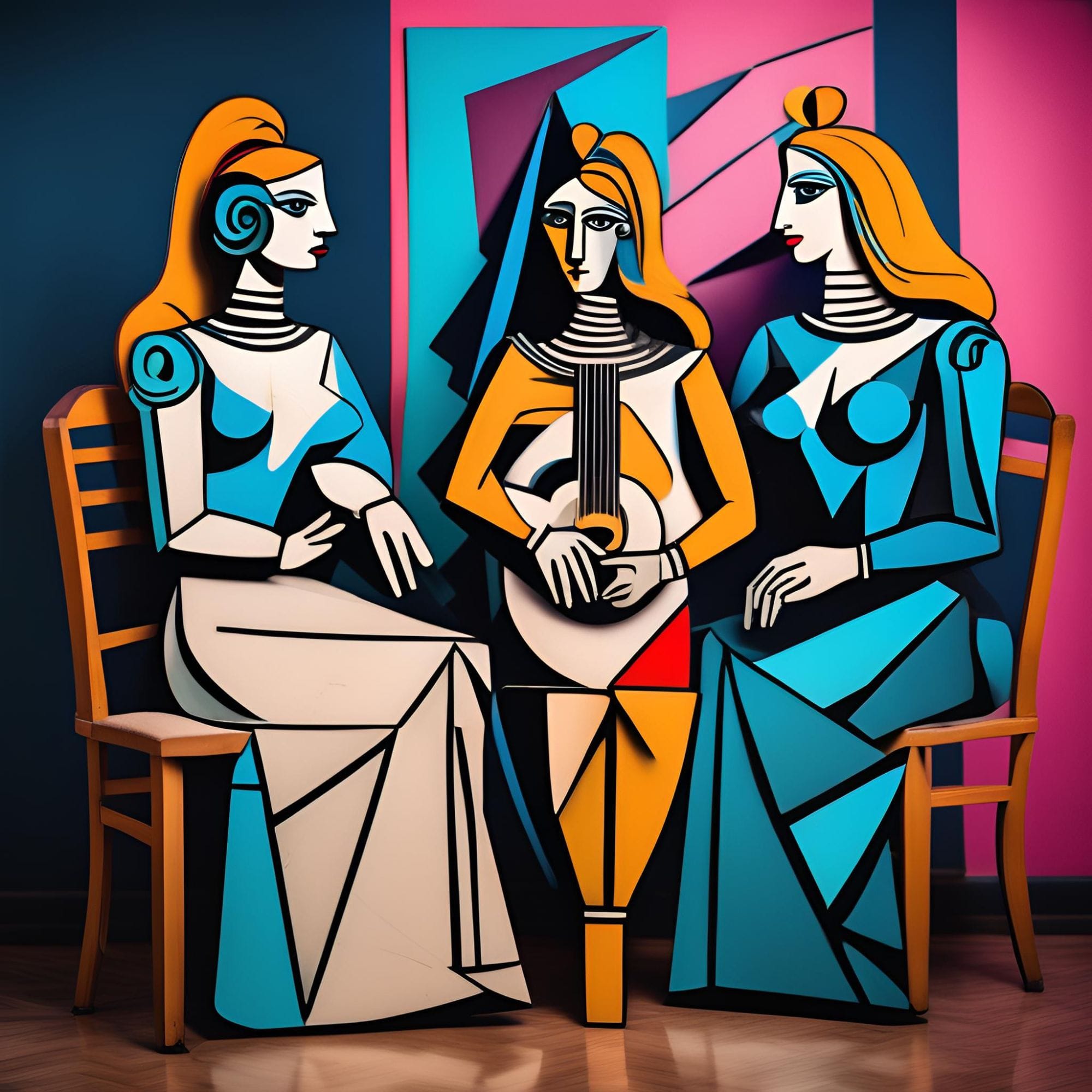
Pablo Picasso's "Les Demoiselles d'Avignon," completed in 1907, stands as one of the most revolutionary works in the history of modern art. This painting, which depicts five nude female figures in a confrontational and fragmented style, marks a significant departure from traditional artistic conventions and heralds the advent of Cubism. To fully appreciate the impact of this masterpiece, it is essential to explore the context of Picasso's life during its creation, the historical backdrop of early 20th-century art, and the painting's pivotal role in shaping Picasso's career.
Overview of Picasso's Life During the Creation of the Painting
At the time Picasso created "Les Demoiselles d'Avignon," he was navigating a period of profound personal and artistic transformation. Having recently moved to Paris, Picasso was immersed in the vibrant and tumultuous avant-garde scene. Influenced by a variety of sources, including African art and the works of his contemporaries, he sought to break free from the constraints of academic painting. This era of experimentation was marked by a search for new forms of expression, reflecting Picasso's growing disillusionment with traditional aesthetics and societal norms.
Historical Context of Early 20th-Century Art
The early 20th century was a time of significant upheaval in the art world, characterized by a departure from realism and a burgeoning interest in abstraction. Movements such as Fauvism and Expressionism were challenging conventional approaches to color, form, and subject matter. Artists were increasingly exploring the psychological and emotional dimensions of art, using innovative techniques to convey their visions. In this charged atmosphere, Picasso's "Les Demoiselles d'Avignon" emerged as a bold statement, capturing the zeitgeist of a generation eager to redefine artistic boundaries and societal expectations.
Significance of the Painting in Picasso's Career
"Les Demoiselles d'Avignon" is widely regarded as a turning point in Picasso's career and a cornerstone of modern art. The painting not only reflects his radical departure from traditional representation but also serves as a precursor to the Cubist movement that would dominate his work in the years to come. By challenging the viewer's perception and employing a fragmented composition, Picasso invited a new way of seeing that would inspire countless artists and movements in the decades that followed. The boldness of "Les Demoiselles d'Avignon" underscores its significance as a transformative work that encapsulates the spirit of innovation and rebellion characteristic of early 20th-century art.
Analysis of the Painting's Composition
Pablo Picasso's "Les Demoiselles d'Avignon" presents a radical departure from traditional artistic conventions, a fact that is particularly evident in its composition. The painting is not merely a representation of figures but a bold exploration of form, color, and space that has captivated viewers and critics alike since its unveiling.
Use of Geometric Shapes and Forms
At first glance, the composition of "Les Demoiselles d'Avignon" is strikingly fragmented. Picasso employs geometric shapes to deconstruct the human form, a technique that foreshadows the development of Cubism. The figures are rendered with sharp angles and flat planes, creating an almost sculptural quality. This geometric abstraction strips away the naturalistic representation of the human body, inviting the viewer to engage with the painting on a more intellectual level. Each figure is composed of intersecting lines and angular forms that challenge the conventional understanding of perspective and depth. The use of these geometric elements not only reflects the influence of African art, which Picasso admired, but also signifies a break from the past, marking a pivotal moment in the evolution of modern art.
Color Palette and Its Emotional Impact
The color palette of "Les Demoiselles d'Avignon" further contributes to the painting's emotional resonance. Dominated by earthy tones of ochre, browns, and muted blues, the colors evoke a sense of rawness and intensity. The bold application of color, particularly in the figures' skin tones, creates a visceral impact that draws the viewer into the scene. The stark contrast between the colors used for the figures and the background enhances the sense of isolation and tension within the composition. Additionally, the use of color serves to heighten the emotional complexity of the piece; the figures appear both alluring and confrontational, embodying a sense of both vulnerability and power. This duality invites viewers to reflect on their own perceptions of femininity and sexuality.
The Arrangement of Figures and Space
The arrangement of figures within "Les Demoiselles d'Avignon" is as radical as the treatment of form and color. The five women are positioned in a way that defies traditional spatial organization, creating a sense of claustrophobia and urgency. Picasso places them in a shallow space that flattens the pictorial plane, further reinforcing the painting's modernist tendencies. The figures are arranged in a manner that emphasizes both their individuality and their collective presence, creating a dynamic interplay between isolation and connection. Notably, the figures gaze directly at the viewer, challenging the conventional passive role often assigned to women in art. This direct confrontation disrupts the viewer's expectations and compels a reconsideration of their role within the artwork itself.
In conclusion, the compositional elements of "Les Demoiselles d'Avignon" work in concert to create a groundbreaking visual experience. Through the innovative use of geometric shapes, a striking color palette, and an unconventional arrangement of figures, Picasso not only redefines the representation of women in art but also paves the way for future artistic movements. The painting stands as a testament to Picasso's genius and his willingness to challenge norms, making it an enduring subject of analysis and admiration in the history of modern art.
Cultural and Social Impact
Reactions from the Art Community at the Time
When "Les Demoiselles d'Avignon" was first unveiled in 1907, it was met with a mixture of shock, confusion, and disdain from the art community. The painting's radical departure from traditional representation and its challenging subject matter were not easily digestible. Critics were bewildered by Picasso's bold use of fragmented forms and distorted figures, which stood in stark contrast to the prevailing artistic norms of the time. Prominent artists and critics, including Henri Matisse and André Salmon, had differing opinions, with some praising its innovative qualities while others condemned it as chaotic and incomprehensible. This divisive reception only heightened the painting's prominence, establishing it as a focal point in discussions about the future of art.
Influence on Later Artists and Movements
"Les Demoiselles d'Avignon" is often heralded as a precursor to the Cubist movement, which Picasso would later help to define alongside Georges Braque. The painting's radical abstraction influenced a generation of artists who sought to break free from representational constraints. Artists such as Fernand Léger, Juan Gris, and later, members of the Futurist and Dada movements, drew inspiration from Picasso's willingness to experiment with form and perspective. The work's deconstruction of the female figure also paved the way for explorations of gender and identity in art, prompting later movements such as Surrealism and Feminist Art to interrogate and reinterpret the representation of women in visual culture.
Representation of Women in Art
One of the most profound impacts of "Les Demoiselles d'Avignon" lies in its representation of women, challenging societal norms and artistic conventions. The figures in the painting are portrayed with a raw intensity, stripped of the idealization typical in previous depictions of women. This unvarnished approach not only confronts the viewer but also raises questions about the objectification and commodification of the female form in art and society. In doing so, Picasso's work invites a reevaluation of the role of women in art, both as subjects and as artists. The painting has since been interpreted as a commentary on the complexities of desire, power dynamics, and the evolving identity of women in the early 20th century, making it a pivotal piece in discussions around gender and representation in art history.
Through its provocative content and innovative form, "Les Demoiselles d'Avignon" continues to resonate culturally and socially, leaving an indelible mark on the landscape of modern art.
Conclusion and Legacy
Enduring Relevance of Les Demoiselles d'Avignon
"Les Demoiselles d'Avignon" remains a cornerstone of modern art, not only for its radical departure from traditional artistic conventions but also for its enduring relevance in contemporary discourse. The painting challenges viewers to confront the complexities of perception, identity, and the role of women in society. Its bold stylistic choices continue to resonate, inviting new interpretations and discussions about the nature of beauty and representation in art. As a seminal work, it serves as a touchstone for understanding the evolution of modernism and the trajectory of subsequent artistic movements.
Picasso's Influence on Modern Art
The impact of Picasso's work, particularly through "Les Demoiselles d'Avignon," cannot be overstated. This painting heralded the emergence of Cubism, fundamentally altering the course of art history. Artists such as Georges Braque and Juan Gris drew inspiration from Picasso’s exploration of fragmented forms and multiple perspectives. Additionally, the painting's innovative approach to composition and abstraction paved the way for a myriad of movements, including Futurism, Surrealism, and Abstract Expressionism. Through his relentless experimentation, Picasso not only expanded the boundaries of artistic expression but also encouraged subsequent generations to explore new paradigms in their own work.
Final Thoughts on the Painting's Importance
In conclusion, "Les Demoiselles d'Avignon" stands as a powerful testament to Picasso's genius and the transformative power of art. It encapsulates a moment of bold experimentation and cultural upheaval at the dawn of the 20th century. The painting's audacity in subject matter and form continues to challenge and inspire artists, critics, and art lovers alike. By subverting traditional notions of beauty and challenging societal norms, Picasso crafted a masterpiece that transcends its time, solidifying its place as an enduring icon in the canon of art history. The legacy of "Les Demoiselles d'Avignon" is not just in its influence on art but in its ability to provoke thought and dialogue about the complexities of human experience, ensuring its relevance for generations to come.