
"Exploring the Significance of Picasso's Bust of a Woman: Artistic Mastery and Cultural Impact"








Introduction to Picasso's Bust of a Woman
Pablo Picasso, one of the most influential artists of the 20th century, is renowned for his innovative approach to form, color, and structure. Among his vast oeuvre, *Bust of a Woman* stands out as a significant piece that encapsulates the essence of his artistic evolution. Created in 1944, during a tumultuous period marked by World War II and personal upheaval, this sculpture reflects not only Picasso's mastery of three-dimensional art but also his responses to the complexities of the human experience.
The bust captures the essence of femininity through its abstract and fragmented forms, serving as a testament to Picasso's ability to distill emotional depth into physical representation. It invites viewers to engage with the interplay of light and shadow, solidity and void, offering a glimpse into the artist's psyche during a time of uncertainty. Furthermore, *Bust of a Woman* embodies the characteristics of the post-war artistic landscape, drawing upon both the legacy of earlier movements such as Cubism and Surrealism, while also paving the way for future explorations in modern art.
In this article, we will delve deeper into the historical context surrounding the creation of *Bust of a Woman*, analyze the artistic techniques employed by Picasso, and explore the impact and legacy of this remarkable work. Through this exploration, we aim to highlight the enduring significance of Picasso's sculpture, which continues to resonate within the art world and beyond.
Historical Context
Overview of Picasso's Career During the Creation of the Bust
When Picasso created *Bust of a Woman* in 1943, he was at a pivotal point in his career. By this time, he had already established himself as a master of various artistic styles, from his early Blue and Rose periods to the groundbreaking developments of Cubism. His time spent in Paris during the tumultuous years of World War II served as a backdrop for a period of intense creativity, where he responded to the socio-political landscape with both innovation and introspection. The bust reflects his ongoing exploration of form and abstraction, emblematic of his ability to adapt and transform his artistic language in response to the world around him.
Influence of the Early 20th Century Art Movements
The early 20th century was a vibrant period for artistic experimentation, characterized by movements such as Fauvism, Expressionism, and Cubism—each of which played a significant role in shaping Picasso's oeuvre. The rise of these movements encouraged a departure from traditional representation towards a more abstract and emotive approach to art. As a co-founder of Cubism, Picasso was particularly influenced by the fragmentation of form and the use of color to convey emotion. *Bust of a Woman* embodies these artistic principles; its distorted features and unconventional proportions challenge viewers to reconsider the nature of beauty and representation. Additionally, the interplay between abstraction and figuration in his work during this period reflects the broader cultural shifts occurring in Europe as artists sought to capture the complexities of modern life.
Picasso's Personal Life and Its Impact on His Work
Picasso's personal life during the creation of *Bust of a Woman* was marked by significant relationships and emotional upheaval, profoundly influencing his artistic output. At the time, he was involved with Dora Maar, a surrealist photographer and painter whose presence inspired numerous works. Their tumultuous relationship infused Picasso's art with a sense of passion and conflict, often manifesting in distorted yet intimate portrayals of women. The bust itself can be seen as a reflection of this complexity—its abstract form oscillates between admiration and critique, suggesting the duality of love and pain that characterized many of Picasso's relationships. This interplay of personal experience and artistic expression underscores how deeply intertwined his life was with his work, providing viewers with a lens through which to understand not only the piece itself but also the multifaceted nature of Picasso as an artist.
Artistic Techniques
Materials Used in the Bust's Creation
Picasso's *Bust of a Woman*, sculpted in 1943, bbshowcases his innovative approach to materials, combining traditional sculptural techniques with modern sensibilities. The bust is primarily crafted from plaster, a medium that allowed Picasso to experiment with texture and form. Plaster was a popular choice among artists of the time due to its accessibility and versatility, enabling the rapid execution of ideas. Picasso's use of this material reflects his tendency to embrace the ephemeral nature of art, contrasting with the permanence often associated with stone or bronze. The smooth, flowing surfaces of the bust highlight Picasso's ability to manipulate plaster to create both stark lines and soft curves, emphasizing the duality of strength and vulnerability that characterizes his female subjects.
Stylistic Elements Characteristic of Picasso's Work
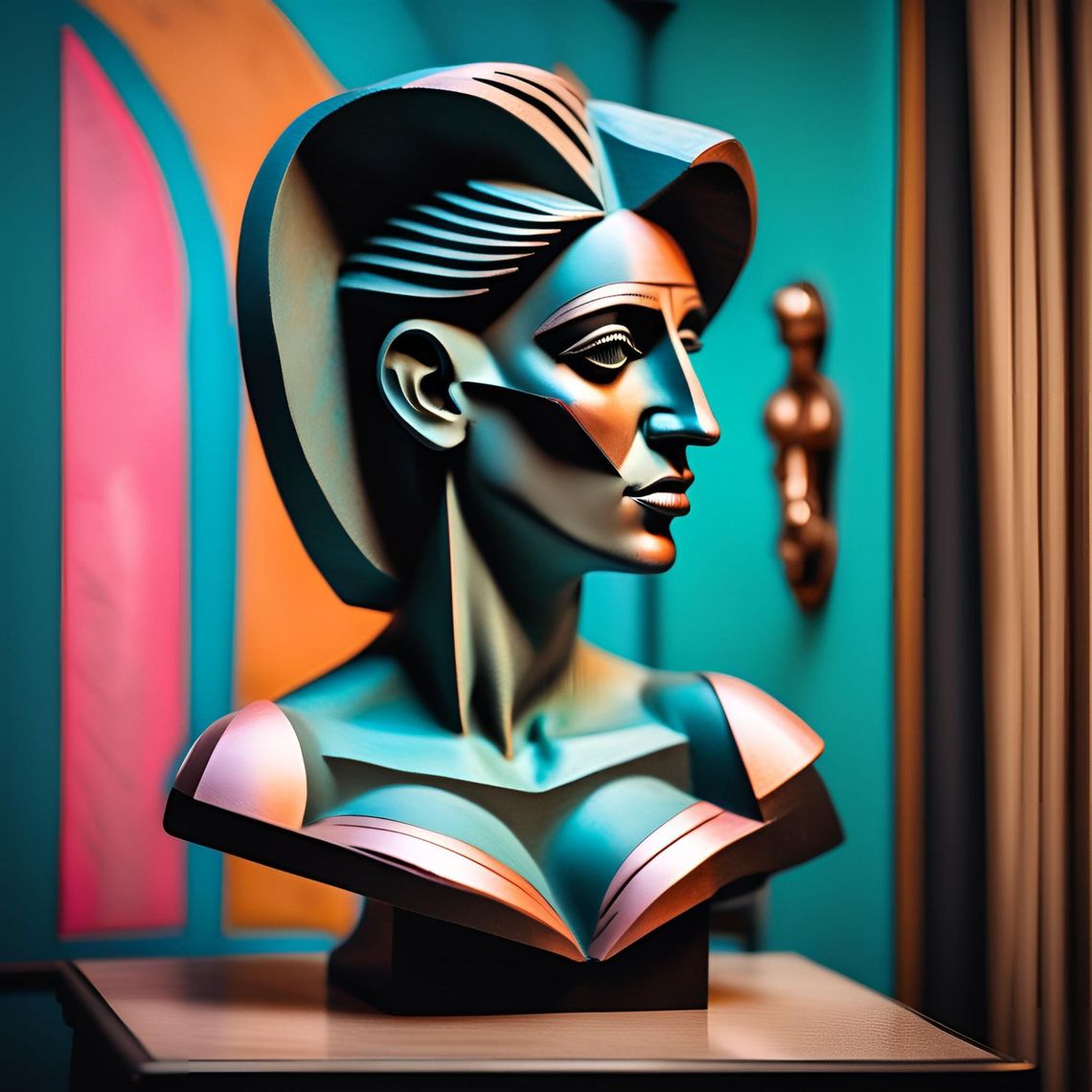
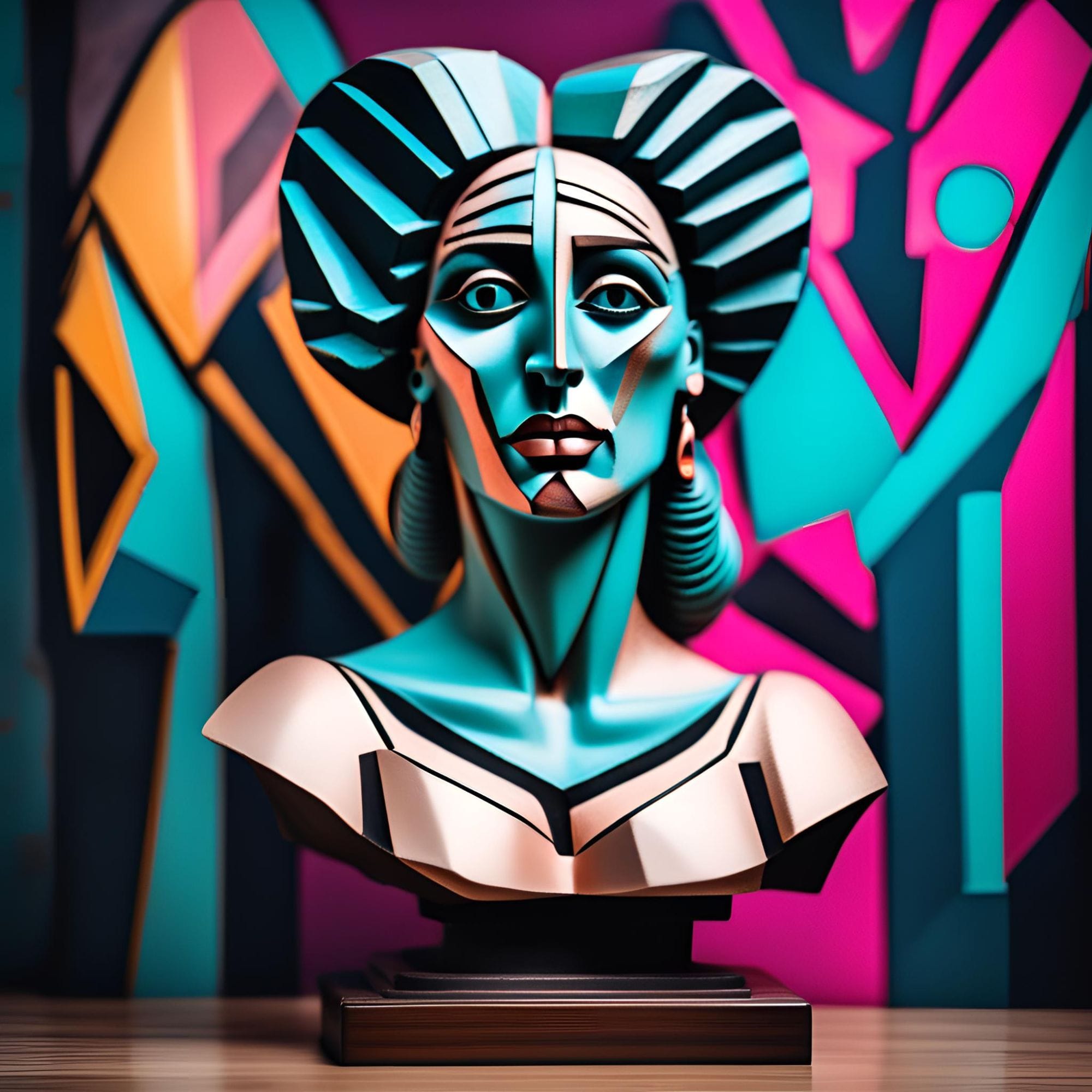
The stylistic elements present in *Bust of a Woman* are quintessentially Picasso, embodying his distinctive blend of abstraction and representation. The bust features exaggerated proportions and angular features, which challenge traditional notions of beauty and realism. Picasso's use of geometric shapes to construct the face and body of the figure reflects his exploration of Cubism, allowing viewers to perceive multiple facets of the subject simultaneously. The asymmetry in the sculpture exemplifies Picasso's break from convention, as he deliberately distorts natural form to convey emotional depth and complexity.
Symbolism and Meaning Behind the Bust
Beyond its visual impact, *Bust of a Woman* is rich in symbolism, reflecting both Picasso's personal experiences and broader themes in art. The female figure can be interpreted as an embodiment of femininity, representing both the muse and the artist’s tumultuous relationships with women throughout his life. The bust may also serve as a commentary on the role of women in society, particularly during the tumultuous years of World War II, when traditional gender roles were challenged. Picasso often infused his work with layers of meaning, and this piece is no exception; the interplay of strength and fragility in the bust suggests a deeper exploration of the female experience. Ultimately, *Bust of a Woman* stands as a testament to Picasso's ability to distill complex emotions and societal commentary into a singular artistic expression, making it a significant contribution to the narrative of 20th-century art.
Impact and Legacy
Reception of the Bust at the Time of Its Unveiling
When Picasso's *Bust of a Woman* was first unveiled, it evoked a spectrum of reactions, reflecting the polarizing nature of his work. Critics and art enthusiasts alike found themselves grappling with the stark departure from traditional representations of the female form. The bust, characterized by its fragmented features and abstracted geometry, was met with both admiration and disdain. Some hailed it as a groundbreaking exploration of femininity and identity, while others dismissed it as a chaotic departure from realism. This duality in reception speaks to Picasso’s ability to challenge and provoke, ultimately reshaping perceptions of sculpture in the early 20th century.
Influence on Contemporary Artists and Art Movements
The impact of *Bust of a Woman* extended far beyond its initial reception, influencing a myriad of contemporary artists and art movements. The cubist techniques employed in the bust encouraged subsequent generations to explore abstraction and the deconstruction of form. Artists associated with movements such as Surrealism and Abstract Expressionism drew inspiration from Picasso’s bold approach, incorporating elements of fragmentation and reconfiguration into their own works. Furthermore, the bust's innovative use of materials and form inspired sculptors to experiment with new media and techniques, broadening the possibilities for three-dimensional art.
Current Status in Art Collections and Exhibitions
Today, *Bust of a Woman* holds a prestigious place within the canon of modern art. It is included in various prominent collections, such as the Museum of Modern Art in New York and the Tate Modern in London, where it continues to captivate audiences with its striking form and historical significance. The bust is frequently featured in exhibitions that explore the evolution of modern sculpture, serving as a touchstone for discussions about the intersection of abstraction and representation. Its enduring presence in the art world underscores not only Picasso’s genius but also the transformative power of art to challenge, inspire, and resonate across generations.
In essence, the legacy of *Bust of a Woman* is not confined to its aesthetic value; it is a testament to Picasso's revolutionary spirit and the profound shifts it heralded in the art landscape, influencing countless artists and movements that followed.
## V. Conclusion: The Enduring Significance of Picasso's Bust of a Woman
Picasso's *Bust of a Woman* stands as a testament to the artist's innovative spirit and his ability to transcend the boundaries of traditional sculpture. Created during a pivotal moment in his career, the bust reflects not only his mastery of form but also his profound engagement with the emotional and psychological dimensions of his subjects. The interplay of abstraction and representation in this work invites viewers to explore the complex nature of femininity, identity, and the human experience.
Throughout the decades, the bust has captured the imagination of art enthusiasts and scholars alike, becoming an enduring symbol of how modern art can challenge perceptions and provoke thought. Its reception at the time of unveiling marked a shift in the trajectory of sculpture, pushing the boundaries of what could be achieved through the medium. As contemporary artists continue to draw inspiration from Picasso's pioneering approaches, the bust remains a vital piece within the dialogue of modern art, influencing movements that seek to explore and redefine artistic expression.
Today, *Bust of a Woman* holds a prominent place in art collections and exhibitions around the world, serving as a focal point for discussions on the evolution of 20th-century art. Its presence in galleries resonates with audiences, reminding us of Picasso's legacy as a revolutionary figure who not only shaped his own era but also laid the groundwork for future generations of artists.
In summary, the enduring significance of Picasso's *Bust of a Woman* lies not only in its aesthetic qualities but also in its ability to encapsulate the shifting currents of art and society. As we continue to engage with this remarkable work, we are reminded of the power of art to reflect, challenge, and inspire, ensuring that Picasso's vision remains relevant and impactful for years to come.