
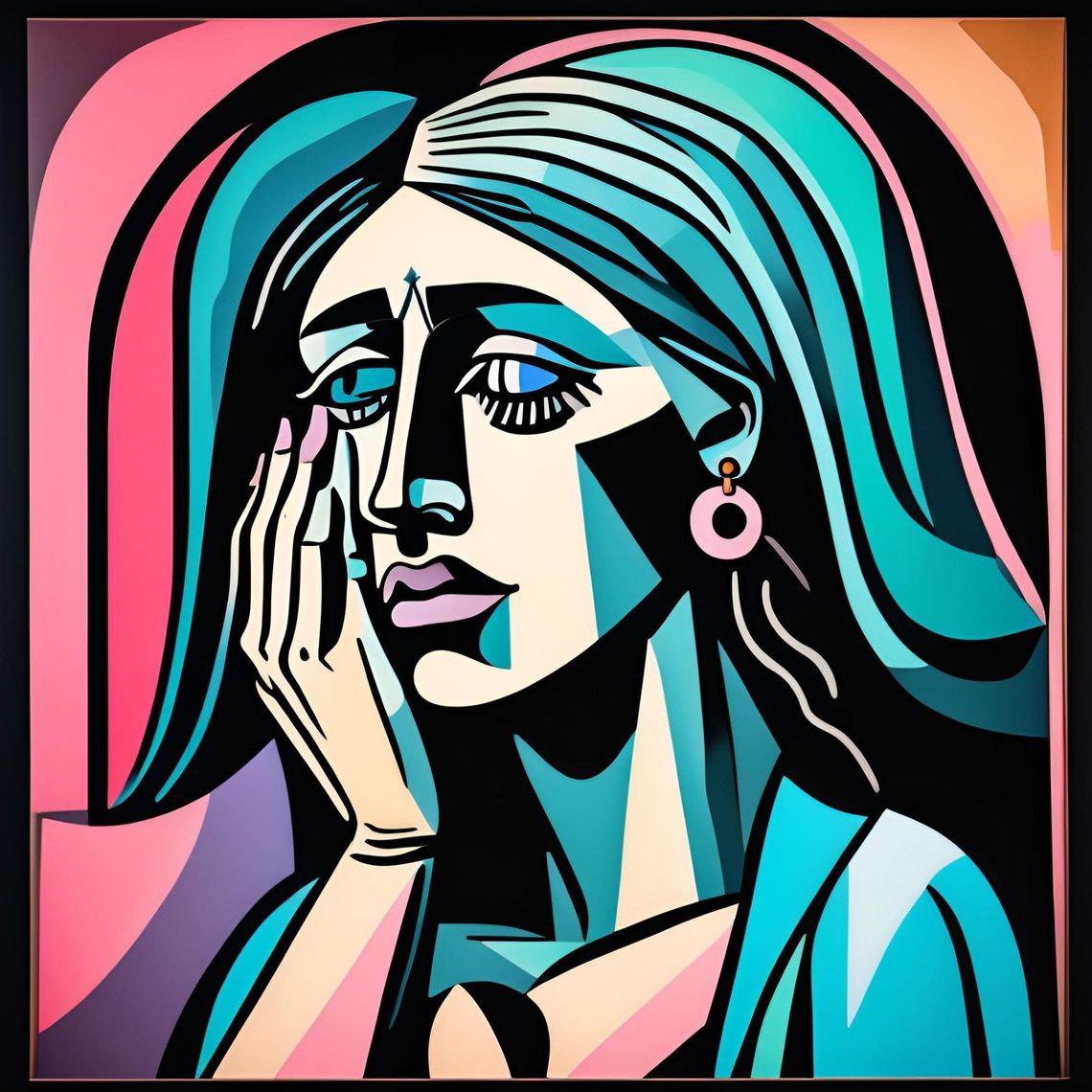
"Exploring the Depths of Emotion: The Historical and Artistic Significance of Picasso's The Weeping Women"

Introduction to Picasso's The Weeping Women
Pablo Picasso's The Weeping Women stands as one of the most poignant representations of grief and suffering in modern art. Created in 1937 during the tumultuous Spanish Civil War, this series of paintings encapsulates the anguish experienced by individuals amid conflict. The portrayal of a woman in despair serves as both a personal and collective emblem of the pain wrought by war, making it a significant commentary on the human condition.
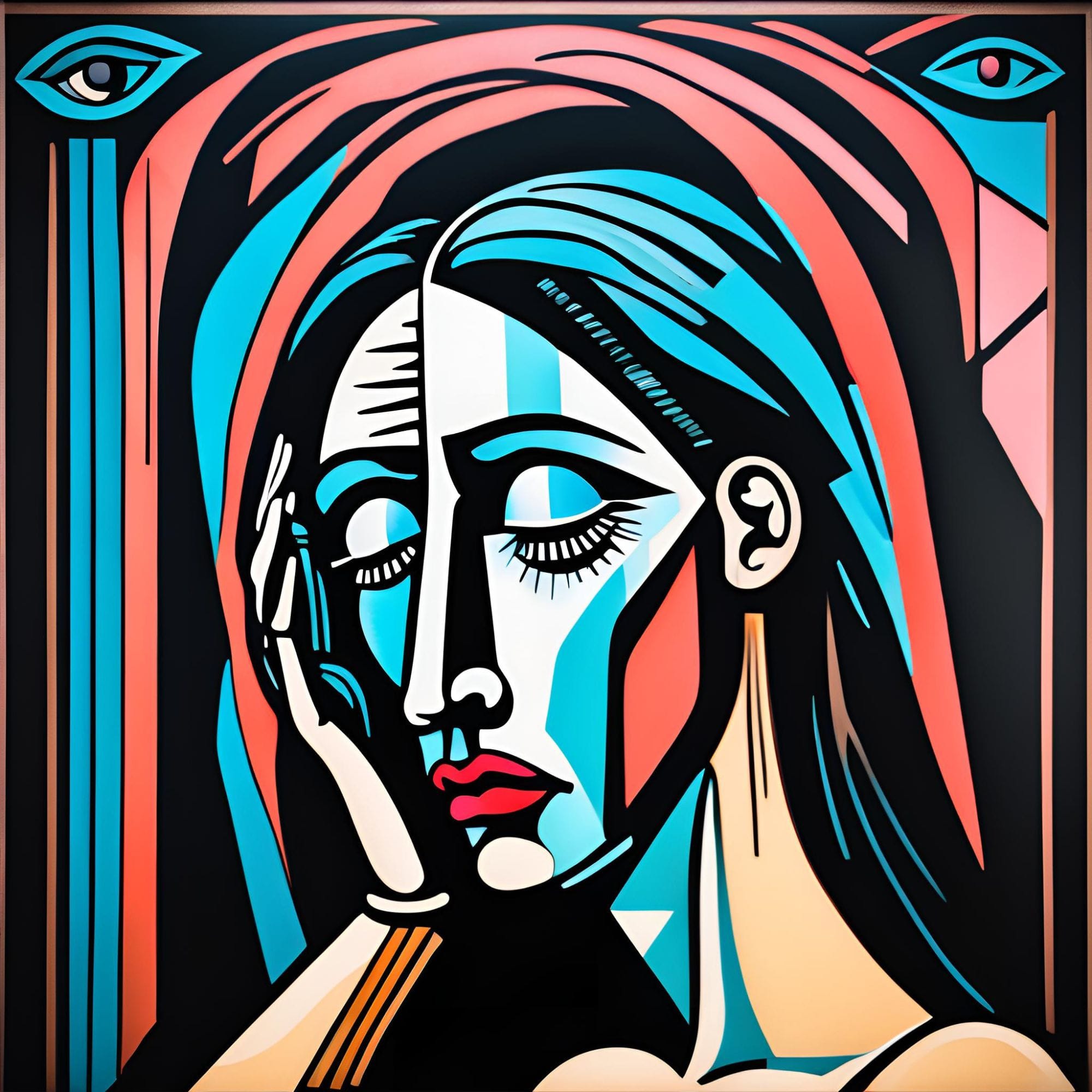
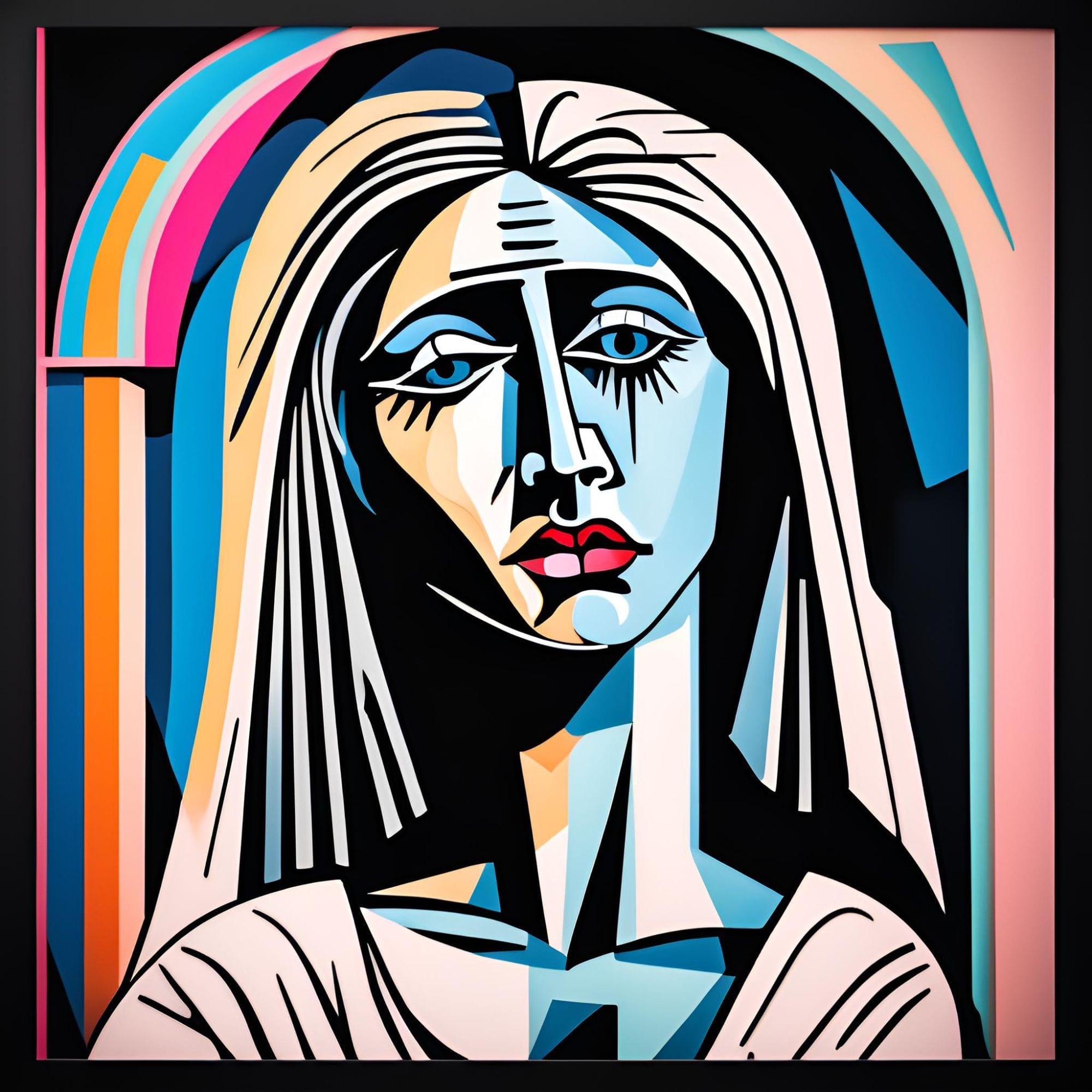
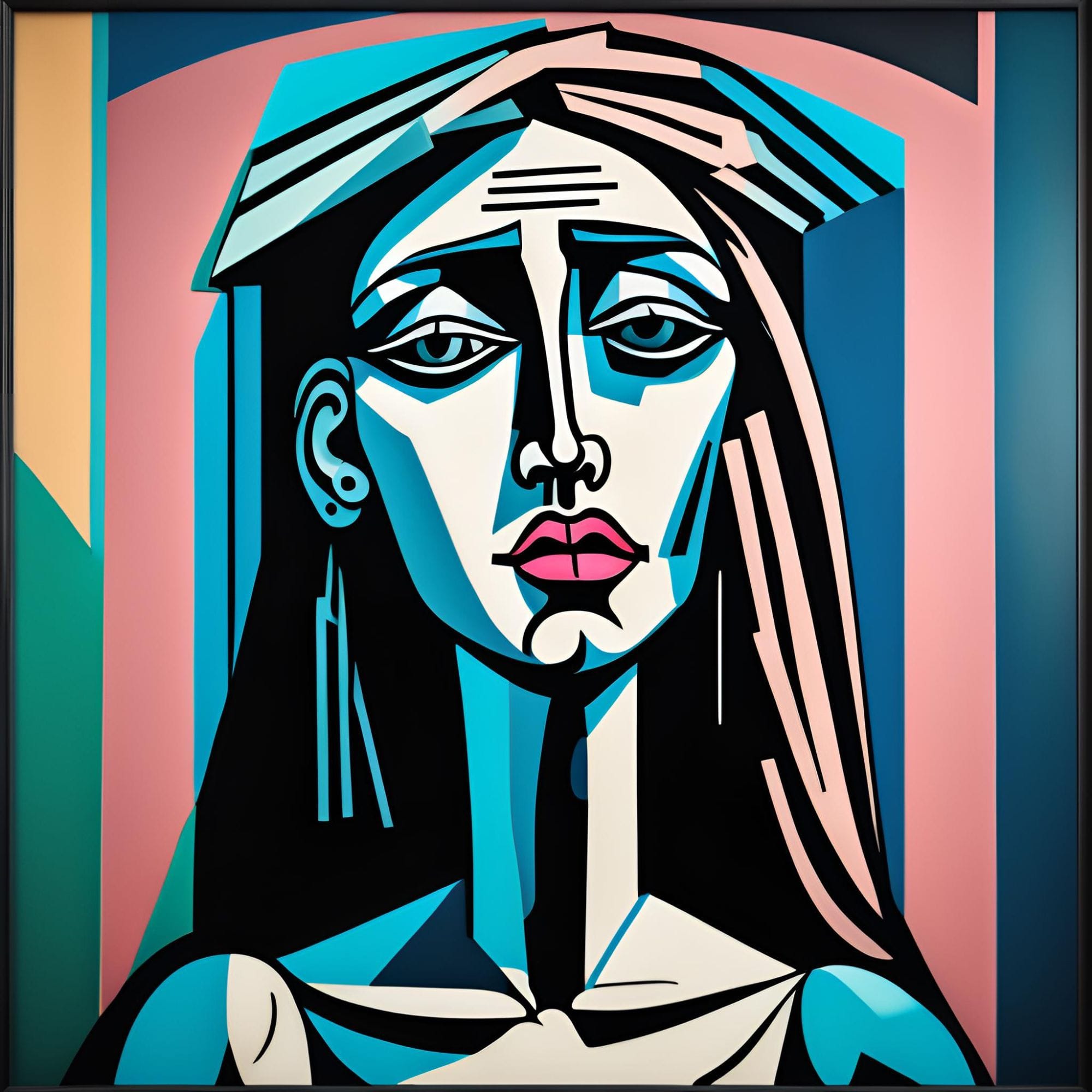
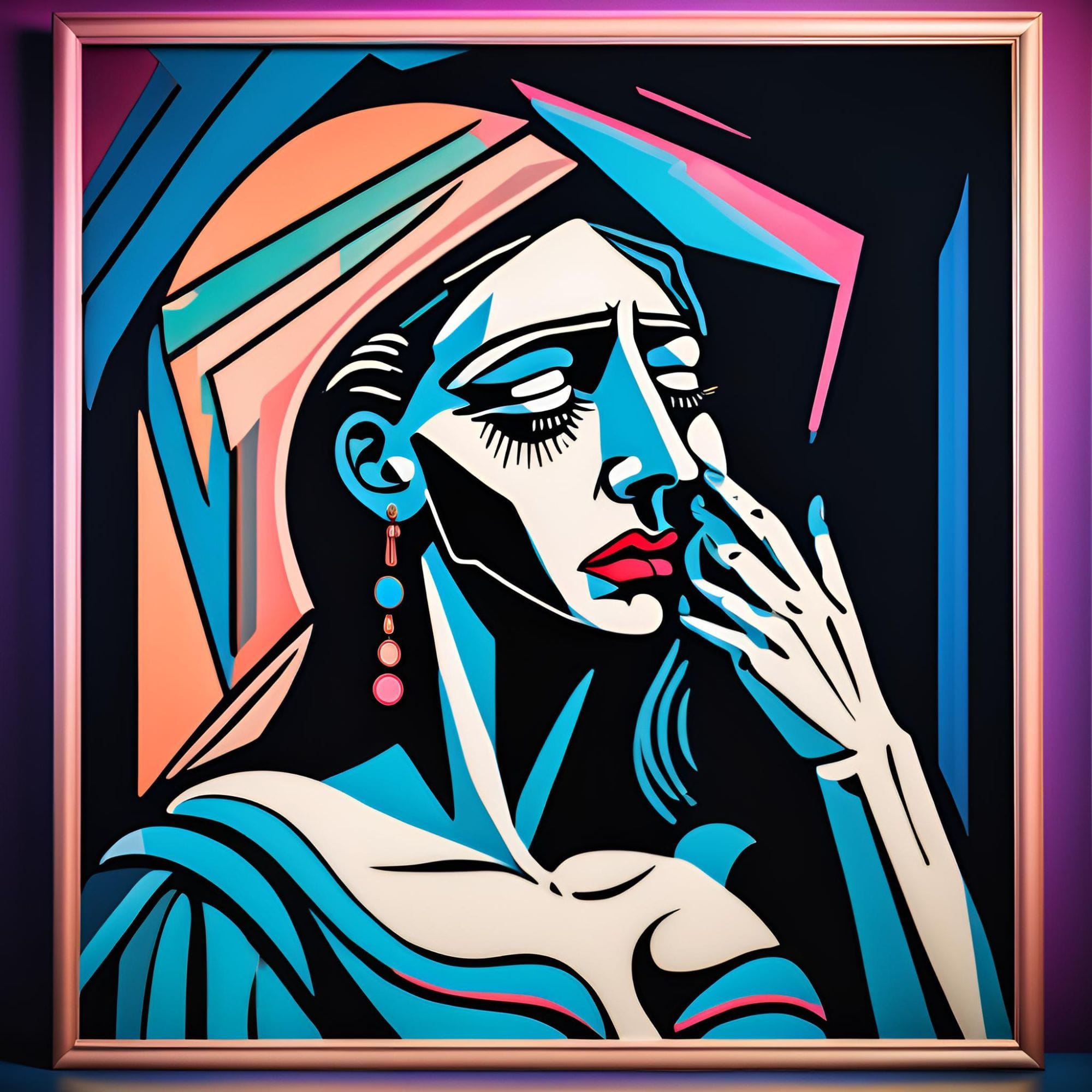
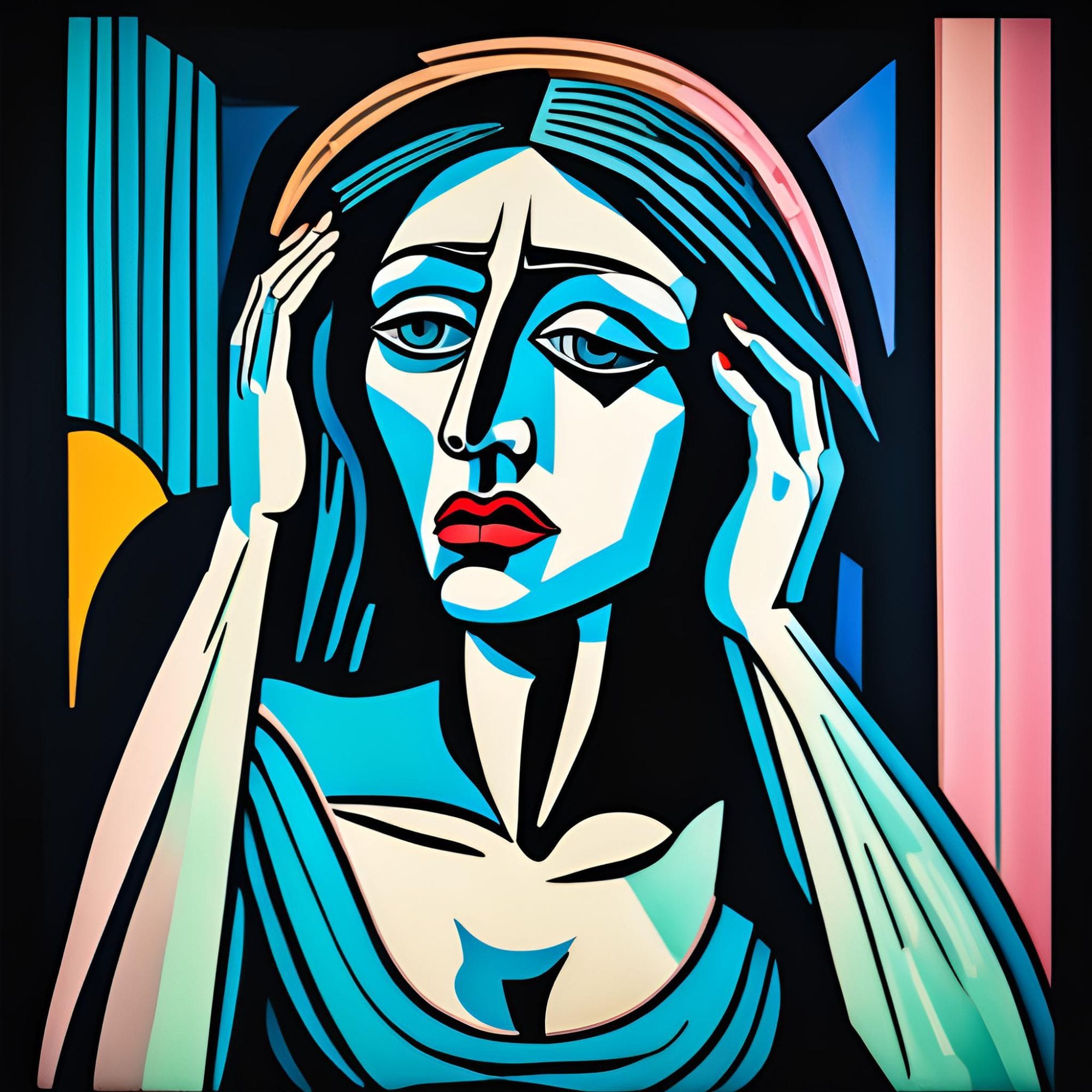
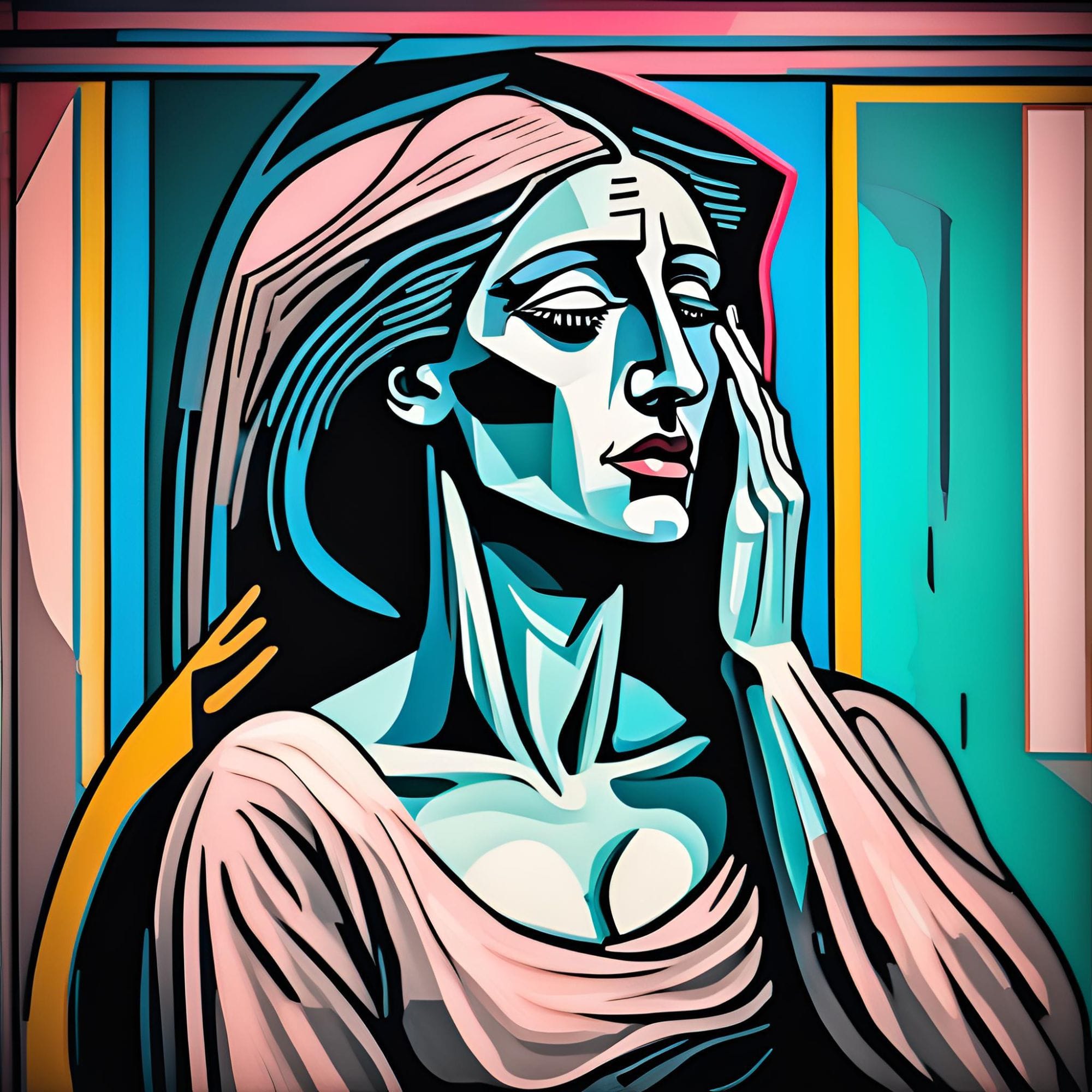
The artwork features a distinct and recognizable figure, characterized by exaggerated features and vibrant colors that evoke visceral emotional responses. As part of Picasso's broader exploration of violence and suffering, The Weeping Women reflects not only personal sorrow but also critiques the societal and political upheaval of its time. This introduction sets the stage for a deeper examination of the historical context, artistic techniques, and lasting interpretations of this iconic work, revealing its profound impact on the art world and beyond. Through understanding The Weeping Women, we gain insight into Picasso’s innovative artistry and the universal themes of loss and resilience that continue to resonate today.
Historical Context of The Weeping Women
Pablo Picasso's The Weeping Women is not merely an artistic endeavor; it is an urgent response to a tumultuous historical epoch. To fully appreciate the depth and significance of this iconic work, one must understand the backdrop against which it was created—the Spanish Civil War—and how this conflict indelibly influenced Picasso's artistry.
Background of the Spanish Civil War
The Spanish Civil War (1936-1939) was a brutal conflict that pitted the Republican government against a coalition of Nationalist forces led by General Francisco Franco. The war was characterized by profound ideological divides, with Republicans advocating for a democratic government, social reforms, and workers' rights, while Nationalists sought to establish a fascist regime. The war ravaged Spain, leaving countless lives shattered and a nation divided. During this chaotic period, Picasso, who had moved to Paris, became acutely aware of the suffering and devastation caused by the conflict back home.
As reports of atrocities reached him, including the bombing of Guernica—a small Basque town that became symbolic of the war's brutality—Picasso's art began to reflect the anguish and despair of his countrymen. The Weeping Women, created in 1937, serves as a direct artistic commentary on the horrors of war and the profound emotional toll it takes on individuals, particularly women who bore the brunt of loss and grief.
Influence of War on Picasso's Work
The Spanish Civil War profoundly influenced Picasso's artistic output. In the wake of the conflict, his work transitioned from themes of joy and celebration found in his earlier pieces to a more somber exploration of human suffering and the psychological impacts of war. The Weeping Women is emblematic of this shift, showcasing the pain and sorrow experienced by those caught in the crossfire of political and social upheaval.
The motif of the weeping woman recurs throughout Picasso's oeuvre, often symbolizing loss, despair, and the emotional landscape of women in times of crisis. In The Weeping Women, Picasso employs a fragmented style that echoes the chaos of war, capturing the inner turmoil of his subjects while also challenging traditional representations of femininity and suffering.
Reception of The Weeping Women in the Art World
Upon its creation, The Weeping Women garnered a wide array of reactions from the art community and the public alike. Critics recognized the work as an extension of Picasso's earlier masterpiece, Guernica, which had already established him as a leading voice in the artistic response to war. While some applauded Picasso's innovative use of form and color to convey emotion, others were perplexed by the intensity and abstraction of the piece.
In the years following its debut, The Weeping Women became a powerful symbol of the emotional and psychological toll of the Spanish Civil War, resonating with audiences well beyond the confines of the art world. Its representational style and poignant subject matter opened dialogues about the role of art in times of conflict, further solidifying Picasso's legacy as an artist committed to addressing the human condition through his work.
In summary, the historical context surrounding The Weeping Women is inextricably linked to the Spanish Civil War and its profound impact on Picasso's artistic vision. The painting stands as a testament to the enduring power of art to reflect and respond to the complexities of human experience, particularly in times of suffering and strife.
Artistic Techniques and Styles
Pablo Picasso's The Weeping Women is not merely a depiction of sorrow; it is an intricate interplay of artistic techniques and styles that encapsulate the emotional and political turmoil of its time. This section delves into the various methods Picasso employed to convey the profound anguish of his subjects, examining the hallmark characteristics of Cubism, his distinctive use of color and form, and the symbolic resonance that permeates the canvas.
Cubism and Its Representation
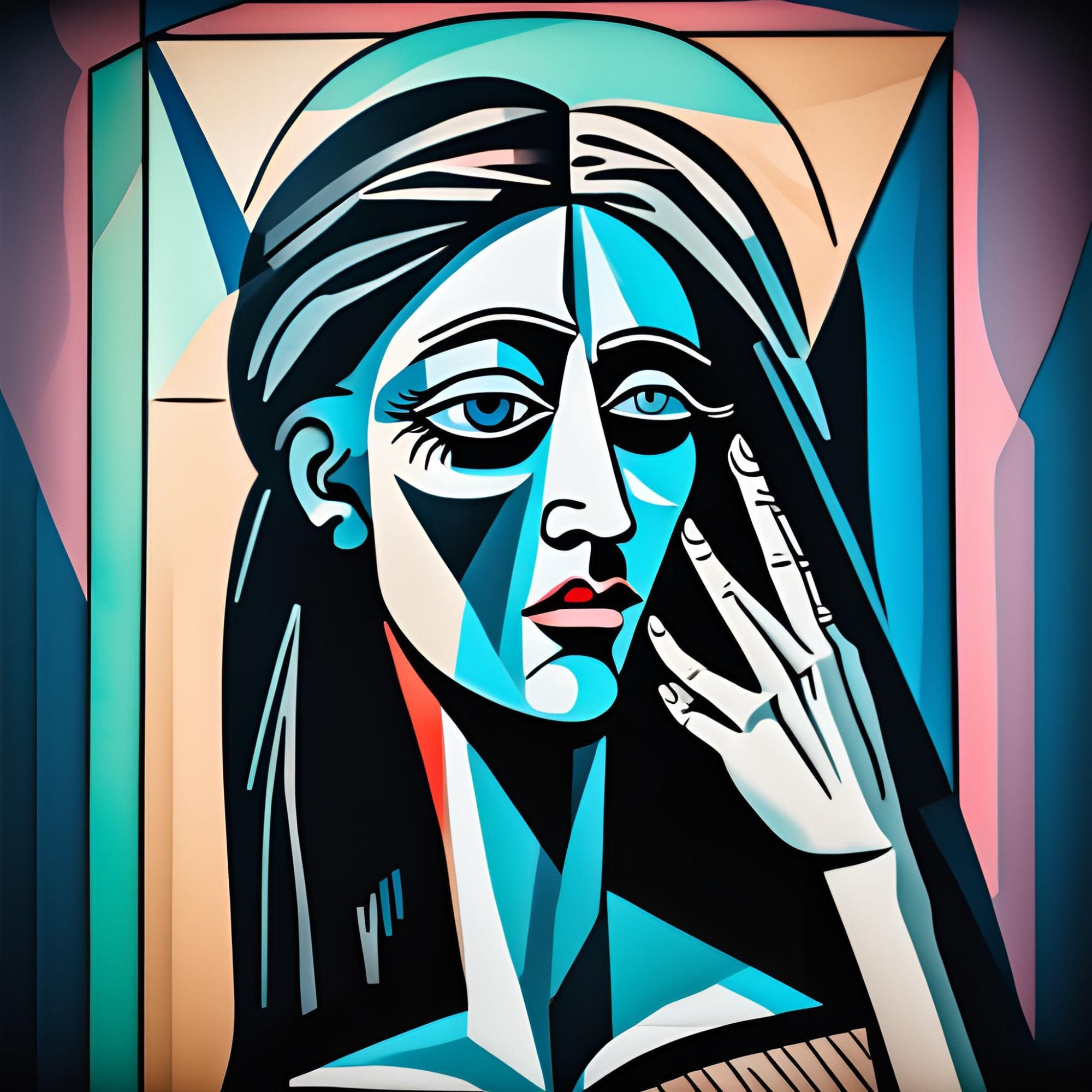
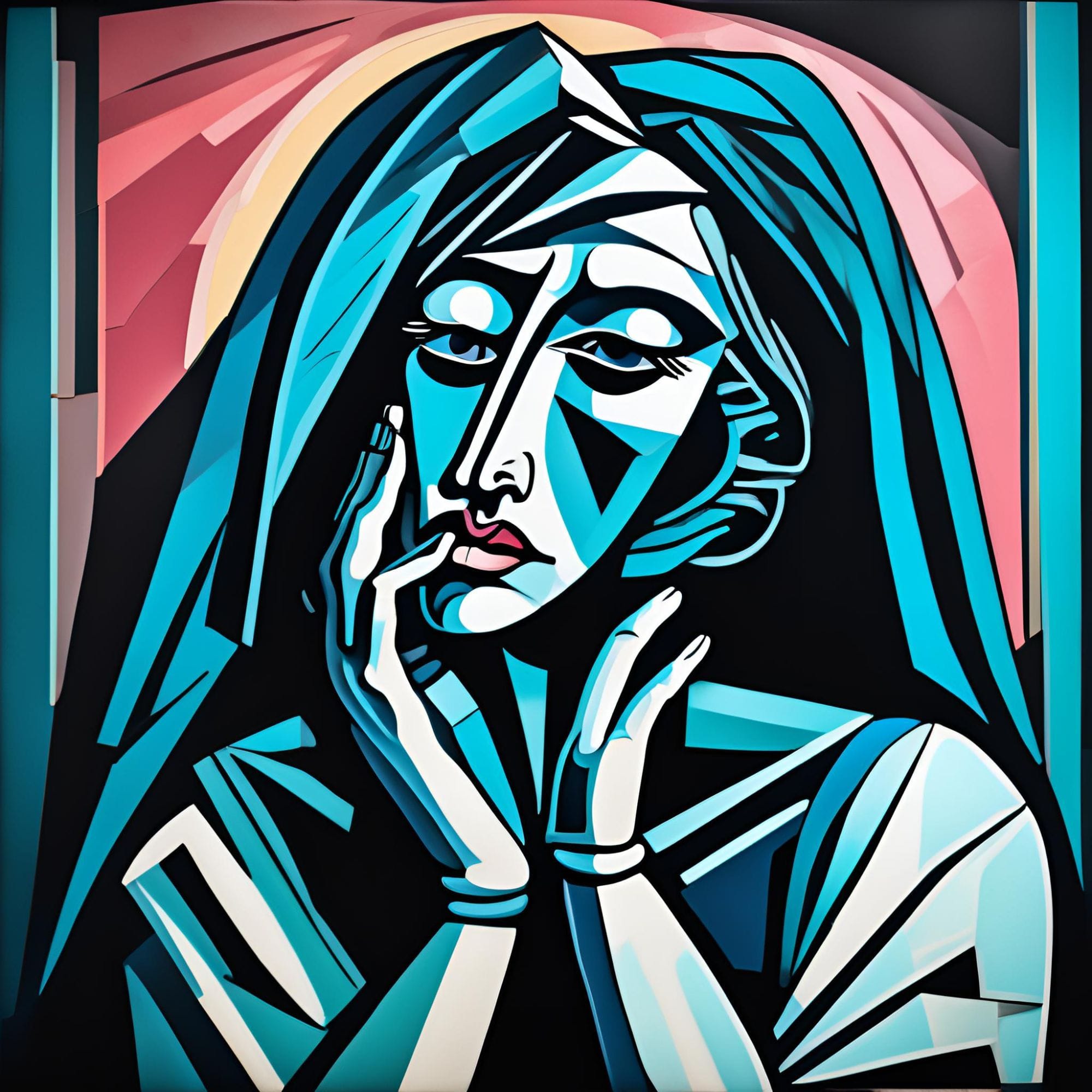
At the forefront of modern art, Cubism revolutionized how subjects were represented. Emerging in the early 20th century, this movement, which Picasso co-founded alongside Georges Braque, sought to depict subjects from multiple viewpoints, thereby challenging traditional notions of perspective and form. In The Weeping Women, Picasso's Cubist techniques manifest through fragmented shapes and geometric forms that converge to create a complex portrait of emotional distress. The subject’s face is deconstructed into angular planes, allowing viewers to engage with her grief from multiple angles. This fragmentation not only echoes the chaos of war but also symbolizes the shattered lives of those affected by conflict, emphasizing that sorrow is multifaceted and cannot be contained within a single viewpoint.
Use of Color and Form
Color plays a pivotal role in The Weeping Women, amplifying the emotional tone of the piece. Picasso employs a predominantly cool palette dominated by blues, greens, and grays—colors traditionally associated with sadness and despair. The stark contrast of warmer hues—vivid reds and yellows—interspersed throughout the composition heightens the emotional intensity, suggesting both the violence of war and the passionate nature of human suffering.
Formally, the shapes within the painting are not only representative but also expressive. The exaggerated features of the weeping woman, such as her large, teardrop-shaped eyes and distorted mouth, evoke a visceral reaction from the viewer. This manipulation of form reflects the inner turmoil of the subject, translating raw emotion into visual language. Through this use of color and form, Picasso captures the essence of grief and despair, making the pain of the weeping woman palpable and immediate.
Symbolism and Emotional Impact
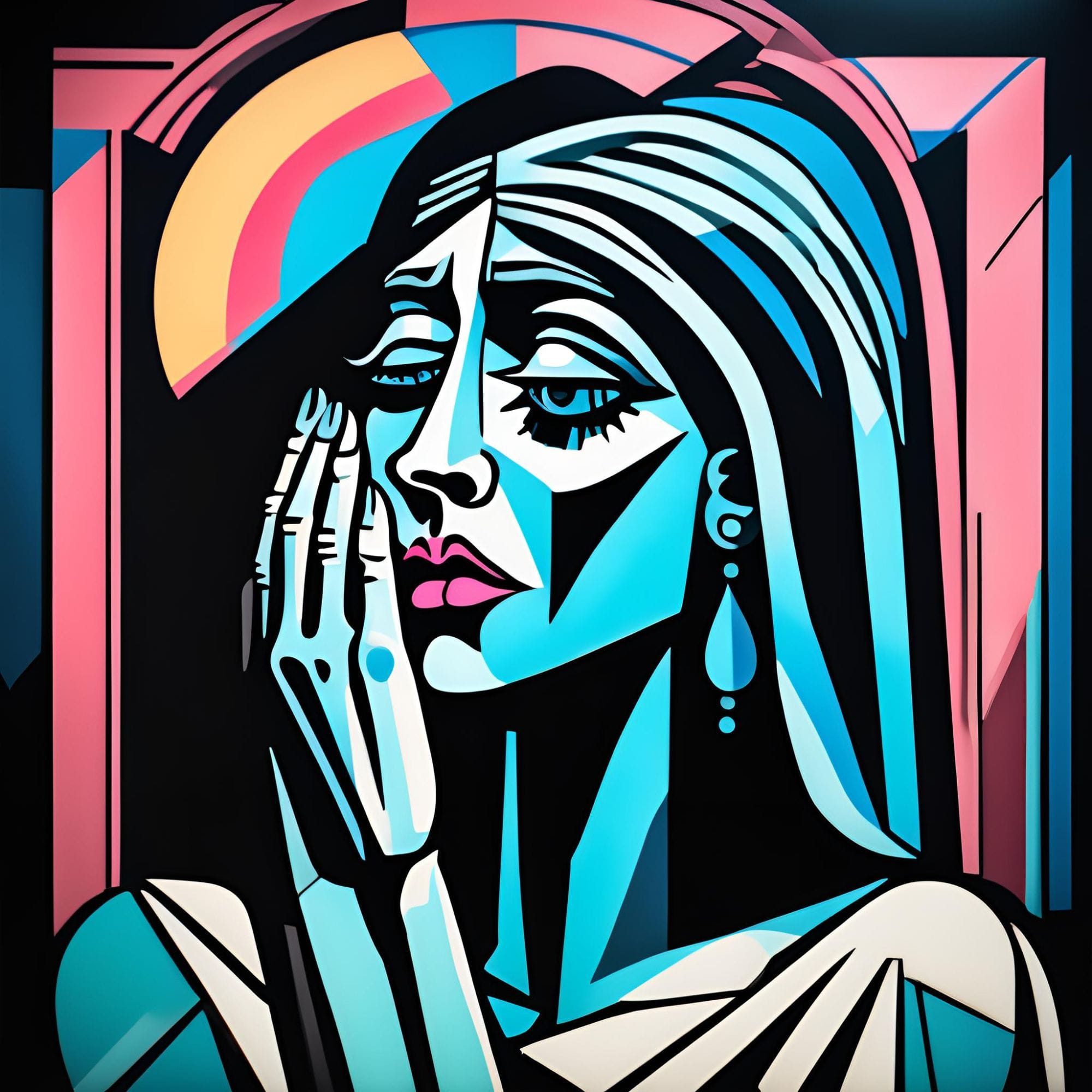
Beyond the visible techniques, The Weeping Women is rich with symbolism that deepens its emotional impact. The weeping woman herself is often interpreted as a universal symbol of suffering, emblematic of the countless victims of the Spanish Civil War. Her tears reflect collective grief, representing not only individual loss but also the broader tragedy of a nation torn apart by conflict.
Additionally, elements within the painting—such as the presence of the handkerchief, which often symbolizes mourning—reinforce the themes of loss and remembrance. Picasso's choice to portray this figure in a state of anguish serves as a powerful commentary on the human condition, compelling the viewer to confront the emotional aftermath of war.
Through these artistic techniques and styles, Picasso crafts a poignant narrative that transcends the canvas, inviting viewers to experience the depth of human sorrow and empathy. The Weeping Women stands as a testament to the artist's innovative vision and his ability to translate complex emotions into a visual form that continues to resonate with audiences today.
Interpretations and Legacy
Different Interpretations of The Weeping Women
The Weeping Women has evoked a multitude of interpretations since its creation, each reflecting the viewer's personal perspective and the broader socio-political context. At its core, the painting is often seen as a poignant representation of suffering and despair, encapsulating the emotional toll of the Spanish Civil War. The figures depicted in the artwork, with their distorted features and anguished expressions, serve as a universal symbol of grief and loss. Critics frequently interpret the weeping women as a manifestation of the collective trauma experienced by those who endured the violence and upheaval of war.
Moreover, some interpretations delve into the personal aspect of Picasso's work, suggesting that the female figures may represent specific women in his life, including Dora Maar, his muse at the time. Through this lens, the painting transcends mere political commentary, becoming an exploration of personal anguish and the complexities of love and loss. The intentional abstraction of the figures allows for a range of emotional responses, making The Weeping Women a deeply resonant piece across different contexts and eras.
The Weeping Women in Popular Culture
The impact of The Weeping Women extends far beyond the art world, permeating popular culture in various forms. The imagery of the weeping women has been appropriated by filmmakers, musicians, and writers, often symbolizing broader themes of sorrow and resilience. For instance, the painting's emotional intensity has inspired numerous cinematic works that explore the consequences of war and the fragility of human life.
In music, the motif of the weeping woman has found its way into lyrics and compositions, serving as an evocative symbol of heartbreak and loss. Additionally, the painting's visual style has influenced graphic design and contemporary art, reinforcing its status as an iconic representation of human suffering. This cross-cultural resonance underscores the painting's enduring relevance, as it continues to evoke empathy and reflection in various artistic expressions.
Influence on Future Artists and Movements
The Weeping Women has left an indelible mark on the trajectory of modern art, influencing a multitude of artists and movements that followed. Its bold use of abstraction and emotional depth can be seen in the works of post-war artists such as Francis Bacon and Lucian Freud, who similarly grappled with themes of existential angst and human vulnerability. The painting's cubist elements also laid the groundwork for future explorations of fragmented forms and perspectives, inspiring movements like Abstract Expressionism and Neo-Expressionism.
Moreover, The Weeping Women has become a touchstone for feminist artists who seek to explore themes of gender and identity through the lens of suffering and resilience. The painting's focus on female figures and their emotional experiences resonates with contemporary discussions surrounding women's rights and representation in art. As a result, Picasso's work continues to inspire dialogue and creative exploration, affirming its status as a pivotal piece in the canon of modern art.
Through its myriad interpretations and lasting legacy, The Weeping Women remains a powerful testament to the human experience, reflecting both the personal and collective struggles that define our existence. Its impact on art and culture endures, inviting new generations to engage with its profound emotional truths.
Conclusion: The Enduring Impact of The Weeping Women
Pablo Picasso's The Weeping Women stands as a powerful testament to the intersection of art and social commentary, capturing the profound anguish wrought by the Spanish Civil War and the broader human experience of suffering. Since its creation, this iconic series has transcended its initial historical context to become a universal symbol of grief and resilience. Through its masterful blend of Cubist techniques and emotional depth, The Weeping Women continues to resonate with audiences around the world, inviting reflection on the myriad ways in which conflict and trauma shape the human condition.
The painting's legacy can be seen in its influence on subsequent generations of artists, who have drawn inspiration from Picasso's exploration of form and emotion. The raw intensity and innovative stylistic elements of The Weeping Women have encouraged artists to confront difficult subjects in their own work, pushing the boundaries of visual expression. From contemporary art to graphic novels and film, the themes of sorrow and loss articulated by Picasso find echoes in various forms of cultural production, reminding us that the struggle against despair is a timeless narrative.
Moreover, The Weeping Women has secured its place in popular culture, appearing in various media and discussions surrounding war, loss, and the role of the artist as a social commentator. Its imagery has been appropriated and reinterpreted, reinforcing its status as a cultural icon that speaks to the collective memory of conflict and the enduring impact of trauma on society.
In conclusion, Picasso's The Weeping Women is more than a mere reflection of its time; it is a profound exploration of the human spirit's capacity to endure and respond to suffering. The painting's emotional weight, artistic innovation, and cultural significance ensure that it will remain a focal point for dialogue about art's role in illuminating the complexities of human experience. As we grapple with the challenges of our own era, The Weeping Women serves as a poignant reminder of the power of art to communicate pain, empathy, and resilience across generations.