
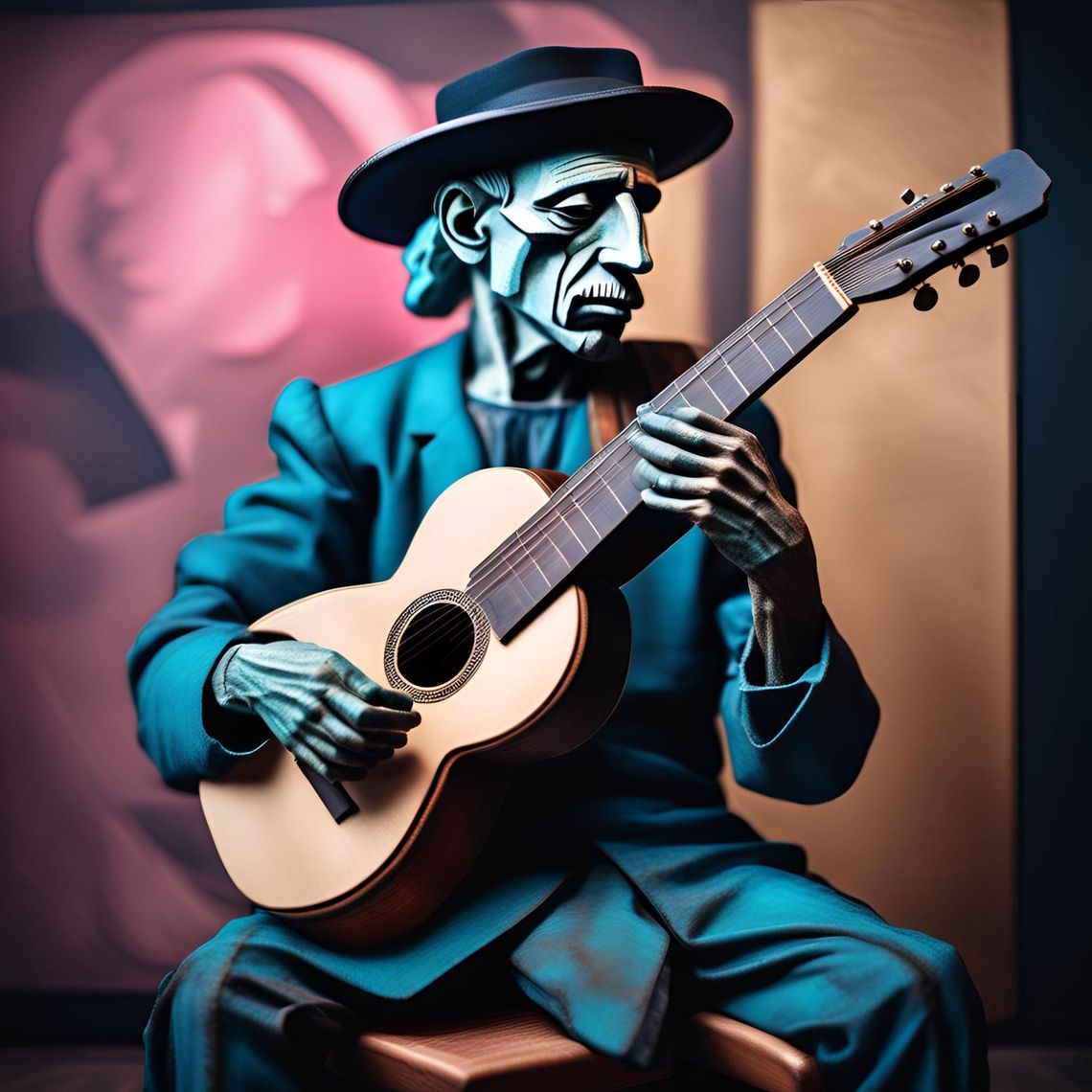
"Exploring the Depths of Emotion: A Comprehensive Analysis of Picasso's The Old Guitarist"






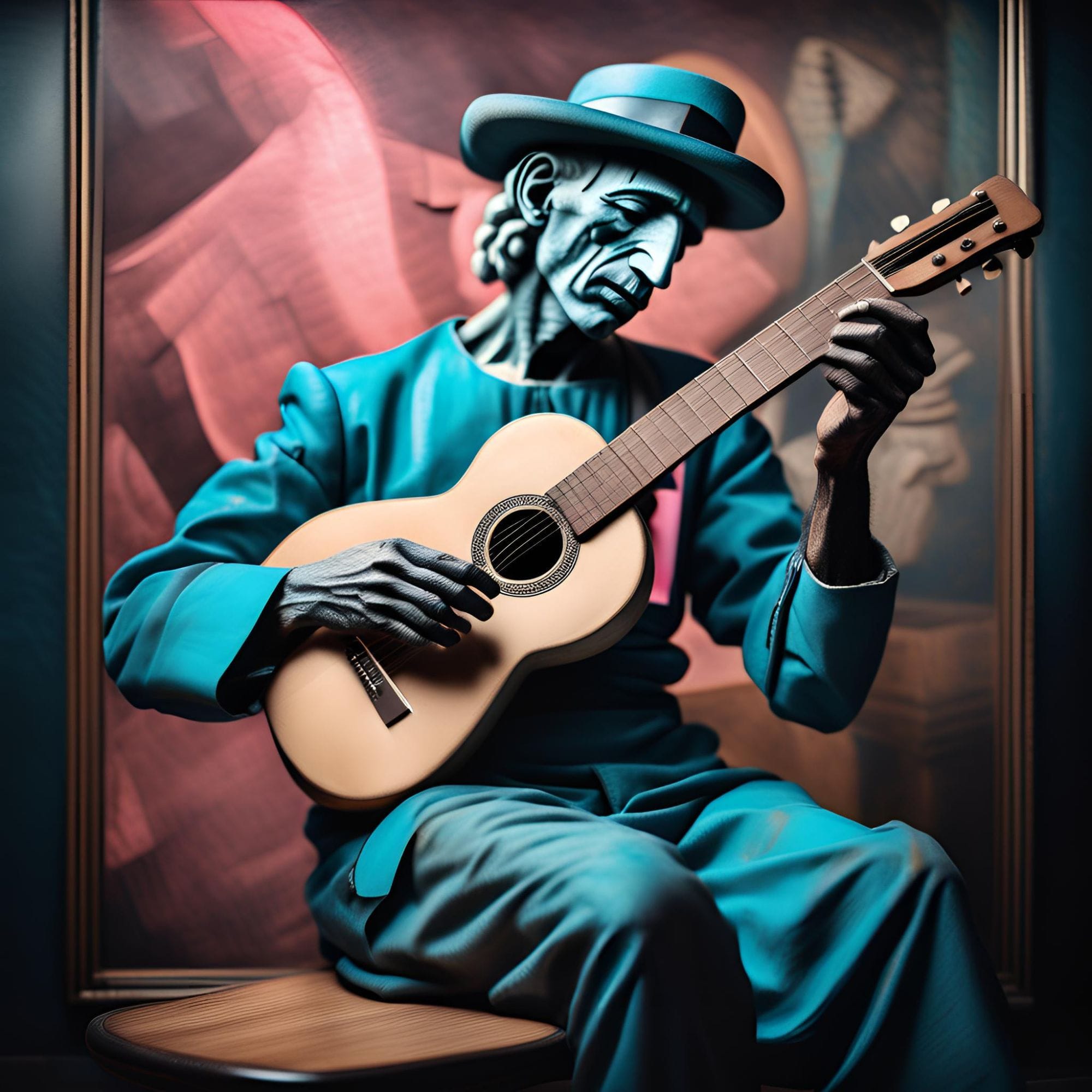


Introduction to Picasso's The Old Guitarist
Pablo Picasso, one of the most renowned and influential artists of the 20th century, created a body of work that transcends time and continues to resonate with audiences worldwide. Among his most celebrated pieces is "The Old Guitarist," painted during his Blue Period, a time marked by deep emotional expression and a focus on themes of sorrow and struggle. Completed in 1903, this painting encapsulates the essence of Picasso's early artistic exploration, reflecting his personal experiences and the broader societal issues of the time.
During the Blue Period, which lasted from 1901 to 1904, Picasso's palette was dominated by shades of blue and blue-green, mirroring a profound sense of melancholy and introspection. "The Old Guitarist" stands out not only as a pivotal work within this period but also as a critical element of Picasso's artistic evolution. This painting showcases his ability to convey profound emotion through simplicity and abstraction, setting a foundation for the modern art movements that would follow.
In "The Old Guitarist," themes of poverty, isolation, and the human condition are vividly portrayed. The figure of the old man, hunched over his guitar, evokes a sense of vulnerability and despair, yet there is also a hint of dignity in his posture. The guitar itself serves as a powerful symbol, representing both the struggles of the artist and the solace that music can provide in times of hardship. Through this work, Picasso invites viewers to reflect on universal experiences of suffering and resilience, making "The Old Guitarist" an enduring piece of artistic expression that continues to inspire and provoke thought in the contemporary art landscape.
Analysis of the Painting's Composition
Color Palette and Its Significance
In "The Old Guitarist," Picasso employs a predominantly blue color palette, which is a hallmark of his Blue Period. The deep blues and muted tones evoke a sense of melancholy and sorrow, reflecting the emotional weight of the subject matter. The cool hues not only convey themes of despair and loneliness but also create a somber atmosphere that invites the viewer to empathize with the figure depicted. Variations in blue—from azure to near-black—add depth and dimension, emphasizing the contours of the guitarist's frail body and the surrounding space. This choice of color illustrates Picasso’s ability to use color as a means of emotional expression, allowing the viewer to feel the weight of the guitarist's plight.
Use of Form and Shape in the Depiction
The composition of "The Old Guitarist" is characterized by elongated and distorted forms, which are emblematic of Picasso's stylistic approach during this period. The figure of the guitarist is rendered with exaggerated proportions, particularly in the elongated limbs and the angular shape of the body, enhancing the sense of weariness and fragility. This exaggerated form reflects both the physical and emotional burden that the musician carries. The contrasting geometric shapes within the painting—such as the sharp angles of the guitar and the rounded features of the figure—create dynamic tension, drawing the eye across the canvas. This interplay of forms not only enhances the visual interest of the composition but also underscores the themes of struggle and resilience inherent in the work.
Symbolism of the Guitar in the Artwork
The guitar in "The Old Guitarist" serves as a powerful symbol encapsulating the painting's themes. It represents not only the musician’s craft and passion but also his suffering and isolation. The guitar, held close to the figure’s body, suggests a connection between the artist and his art, reinforcing the idea that creativity can be both a source of solace and a reminder of hardship. Furthermore, the guitar can be interpreted as a metaphor for the fragility of life and the fleeting nature of beauty, embodying the struggles of those who are marginalized and forgotten. By depicting the guitarist in such a vulnerable state, Picasso highlights the universal human experience of suffering, making the instrument a poignant focal point in the exploration of the painting’s deeper meanings.
Cultural and Historical Context
Influence of Poverty and Hardship on Picasso's Work
Pablo Picasso's life and work during the early 20th century were deeply intertwined with the socio-economic realities of the time, particularly during the Blue Period (1901-1904), when he created *The Old Guitarist*. This era in his career was marked by personal struggle and despair, largely influenced by the tragic circumstances surrounding the death of his close friend, Carlos Casagemas. The profound sense of loss and the pervasive atmosphere of poverty that surrounded him in Barcelona and later in Paris significantly shaped his artistic vision. The figures in his Blue Period works, including the old guitarist, are often depicted with gaunt features, hunched postures, and a melancholic demeanor, reflecting the despair of the marginalized and the suffering endured by those in the lower echelons of society. Through this lens, *The Old Guitarist* serves not only as a representation of an individual but also as a poignant commentary on the broader human condition, highlighting themes of alienation and the search for meaning amidst adversity.
Impact of the Spanish Civil War on His Artistic Expression
While *The Old Guitarist* was completed before the Spanish Civil War (1936-1939), the conflict had a lasting impact on Picasso's work and ideology. As a Spanish artist, Picasso was deeply affected by the political turmoil and violence that swept through his homeland. The war intensified his commitment to social justice and humanitarian issues, which would resonate in later works, such as *Guernica*. The emotional weight of *The Old Guitarist* can be seen as a precursor to this engagement with themes of suffering and social critique that would characterize much of his later oeuvre. The pain and isolation captured in the old man's expression in the painting can be interpreted as a foreshadowing of the broader tragedies that would engulf Spain during the civil war, merging the personal and the political in Picasso's artistic narrative.
Reception of The Old Guitarist in Contemporary Art Circles
Upon its creation, *The Old Guitarist* received varied responses, reflective of the transitional nature of Picasso's art during the Blue Period. Initially, viewers may have been puzzled by the somber tone and the melancholic subject matter, which contrasted sharply with the vibrant colors and optimistic themes prevalent in the artistic movements of the time. However, as the art world evolved, so too did the appreciation for the emotional depth and psychological complexity present in Picasso's work. In contemporary art circles, *The Old Guitarist* is now regarded as a seminal piece that encapsulates the essence of the Blue Period and exemplifies Picasso's ability to convey profound human experiences through visual art. Its status has evolved from being seen as a mere representation of a solitary figure to being recognized as a powerful commentary on the universal themes of suffering, resilience, and the human spirit. The painting's legacy continues to resonate, influencing both artists and audiences in their understanding of the interplay between art and the socio-cultural environment from which it emerges.
Legacy and Influence of The Old Guitarist
How the Painting Influenced Later Artists
"The Old Guitarist" has left an indelible mark on the trajectory of modern art, inspiring countless artists across various movements. Its raw emotional depth and exploration of human suffering resonate with the themes of existentialism and social commentary that followed in the 20th century. Artists such as Edward Hopper and Marc Chagall drew from Picasso's ability to convey profound emotional states through color and form. Additionally, the painting's focus on marginalized figures paved the way for movements like Expressionism and Social Realism, where artists sought to highlight the struggles of the disenfranchised. The minimalist yet powerful representation of the old guitarist has influenced contemporary artists who continue to explore similar themes of isolation and despair in their work.
The Role of The Old Guitarist in Art Education
In art education, "The Old Guitarist" is frequently studied for its innovative approach to composition and color theory. Students learn to analyze how Picasso utilized a limited color palette to evoke deep emotional responses, demonstrating the power of color in storytelling. The painting serves as an essential case study in understanding the evolution of artistic styles, particularly within the context of Picasso’s Blue Period. Art educators often emphasize the importance of this work in discussing the broader themes of empathy and social awareness in art, encouraging students to explore how their own experiences can shape their artistic expression.
Current Status of the Painting in Art History
Today, "The Old Guitarist" is regarded as one of Picasso's masterpieces and a cornerstone of art history. It is housed in the Art Institute of Chicago, where it continues to attract visitors from around the world who seek to engage with its emotional and historical significance. The painting is frequently featured in exhibitions that explore the Blue Period and the evolution of modern art, solidifying its status as a pivotal work that captures the complexities of human experience. Its enduring relevance is a testament to Picasso’s genius and the painting's ability to transcend time, reminding audiences of the power of art to reflect societal struggles and evoke empathy. As art historians and critics continue to delve into its myriad layers of meaning, "The Old Guitarist" remains a vital subject of study and admiration in the world of art.
Conclusion
In conclusion, Picasso's *The Old Guitarist* stands as a profound testament to the artist's emotional depth and innovative spirit during his Blue Period. This work not only encapsulates themes of sorrow, isolation, and human resilience but also serves as a pivotal piece that highlights the socio-economic struggles of the era. The painting’s composition, characterized by its melancholic color palette and expressive form, invites viewers to delve into the emotional landscape that Picasso navigated as he confronted the hardships of life.
Moreover, *The Old Guitarist* has left an indelible mark on the trajectory of modern art. Its influence can be seen in the works of numerous artists who sought to explore similar themes of despair and hope through their unique lenses. In art education, this painting remains a crucial subject of study, illustrating the power of visual art to convey complex human emotions and societal issues.
Today, *The Old Guitarist* occupies a revered status in art history, serving not only as a reflection of Picasso's personal struggles but also as a broader commentary on the human condition. As we continue to explore and interpret this masterpiece, it reminds us of the enduring power of art to connect us to our shared experiences of suffering and transcendence. Through this iconic painting, Picasso invites us to reflect on our own lives, making *The Old Guitarist* not just a work of art, but a timeless dialogue between the artist and the viewer.