

"Exploring Picasso's The Kiss: Artistic Innovation, Cultural Impact, and Lasting Legacy"





Introduction to Picasso's The Kiss
Pablo Picasso, one of the most influential artists of the 20th century, is renowned for his innovative approach to forms, colors, and emotions in art. Among his vast oeuvre, The Kiss stands out as a poignant exploration of love and intimacy, encapsulating the essence of human connection through the lens of Picasso’s unique stylistic vision. Created in 1925 during a dynamic period characterized by significant shifts in artistic expression, The Kiss reflects not only the personal experiences of the artist but also the broader cultural currents of its time.
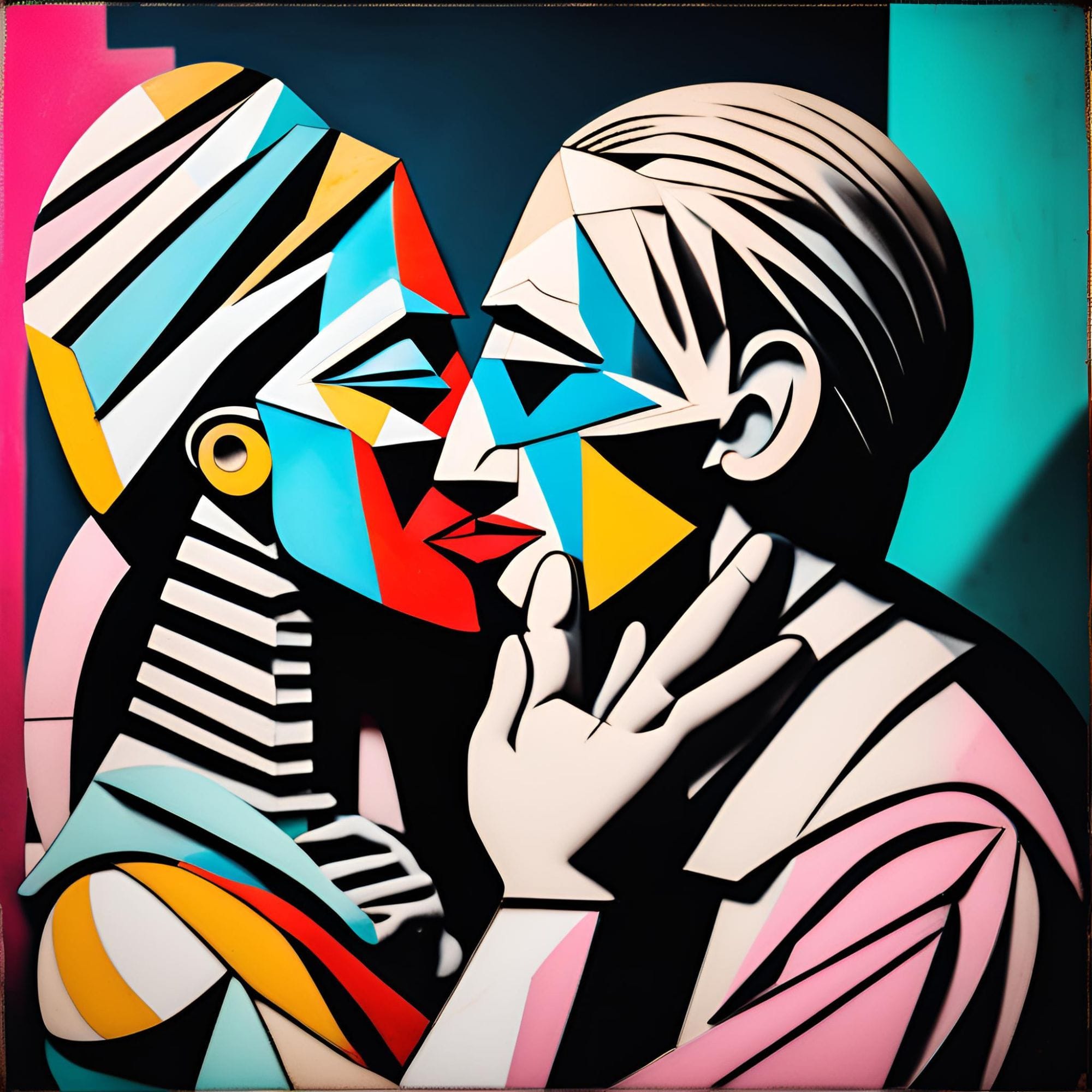
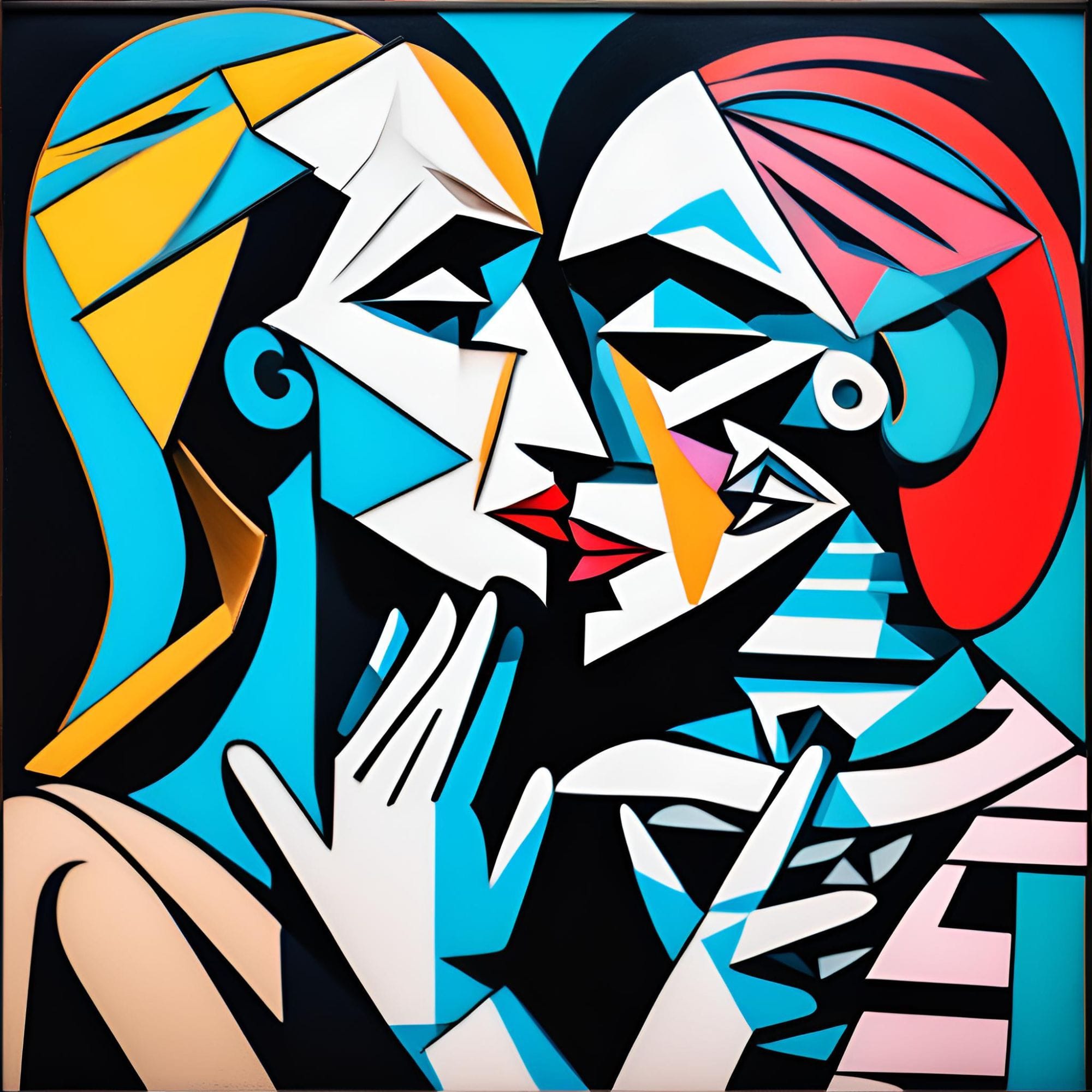
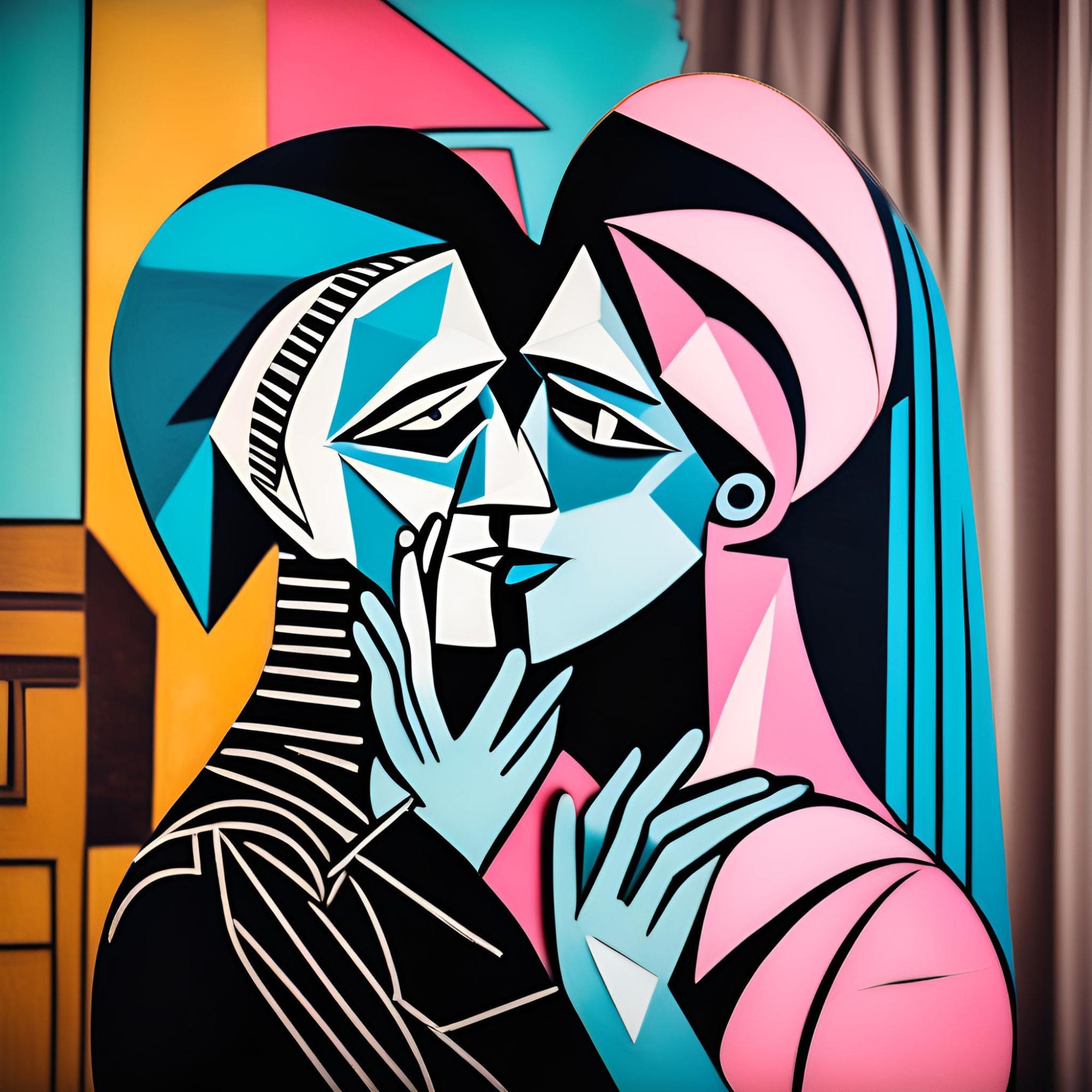
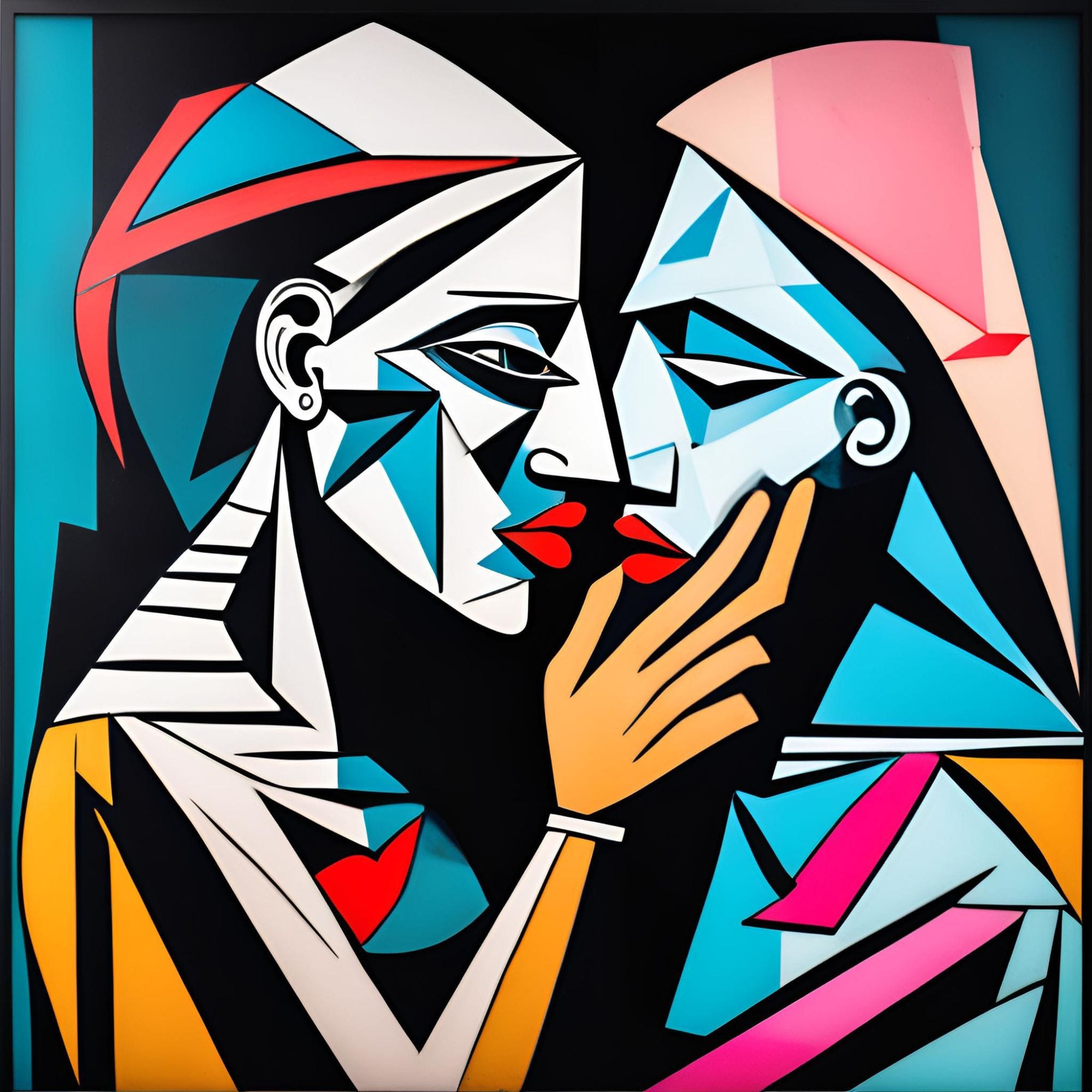
This artwork presents a striking portrayal of a couple locked in an embrace, their bodies merging in a fluid composition that blurs the lines between individual identity and shared emotion. Through its bold colors and innovative forms, The Kiss invites viewers to delve deeper into the complexities of love, desire, and the interplay of light and shadow in human relationships.
As we embark on this exploration of The Kiss, we will delve into the historical context surrounding its creation, the artistic techniques employed by Picasso, and the cultural impact of this remarkable piece. By examining these aspects, we will uncover the layers of meaning within The Kiss and appreciate its lasting legacy in the world of art.
Historical Context
The Period of Creation and Its Significance
Pablo Picasso's The Kiss was painted in 1925, a significant year in the evolution of modern art. This period was marked by the aftermath of World War I, which left a profound impact on artists and intellectuals across Europe. The emotional and psychological scars of the war led to a reevaluation of traditional values and artistic expressions. In this climate of uncertainty and change, Picasso, along with his contemporaries, sought new ways to convey complex human experiences.
The Kiss emerged during the rise of Surrealism, a movement that sought to unlock the unconscious mind and explore the realms of dreams and desires. This backdrop influenced Picasso's approach to the subject matter, allowing him to blend reality with fantastical elements. The painting serves not only as a representation of love and intimacy but also as a reflection of the turbulent times in which it was created, embodying the tension between the desire for connection and the chaos surrounding it.
Influence of the Early 20th Century Art Movements
The early 20th century was a fertile ground for various art movements that challenged traditional aesthetics and representations. Cubism, which Picasso co-founded, was pivotal in shaping his artistic style during this period. By deconstructing forms and presenting multiple perspectives within a single composition, Cubism allowed Picasso to explore new dimensions of visual storytelling.
Additionally, the influence of Expressionism and Symbolism can be seen in The Kiss. These movements emphasized emotional content and personal interpretation, encouraging artists to delve deeper into the human psyche. Picasso's use of bold colors and abstract forms in The Kiss illustrates this influence, as he sought to convey the intensity of romantic emotions through visual means. The juxtaposition of forms and colors in the painting invites viewers to engage with the underlying themes of love, passion, and vulnerability.
Picasso's Personal Life During the Creation of The Kiss
The period leading up to the creation of The Kiss was marked by significant changes in Picasso's personal life. By 1925, he had undergone tumultuous relationships that influenced his artistic output. His liaison with the Russian ballet dancer Olga Khokhlova and subsequent emotional upheavals played a crucial role in shaping the themes of love and intimacy in his work.
Moreover, Picasso's interactions with other avant-garde artists and thinkers of his time contributed to his evolving artistic vision. The vibrant Parisian art scene, filled with intellectual discourse and experimentation, provided a rich environment for Picasso to push the boundaries of his creativity. In The Kiss, one can observe echoes of these personal experiences, as the artwork reflects both the beauty and complexity of human relationships.
In summary, the historical context surrounding The Kiss is deeply intertwined with the socio-political climate of the early 20th century, the prevailing art movements of the time, and Picasso's personal life. These factors collectively shaped the creation of the painting, making it a significant work that encapsulates the essence of its era.
Artistic Techniques
Use of Color and Composition in The Kiss
In The Kiss, Pablo Picasso employs a bold and evocative color palette that captures the emotional intensity of the moment depicted. The dominant hues of blue and rose are characteristic of Picasso's Blue and Rose periods, reflecting a transition in his artistic exploration. The color blue, often associated with melancholy and introspection, juxtaposes the warmth of the rose tones, conveying a complex interplay of emotions inherent in love and desire. The composition of the piece is equally striking, featuring two figures entwined in a passionate embrace, their bodies merging into a single form. This fluidity enhances the intimacy of the scene and challenges traditional notions of individuality in portraiture, inviting viewers to contemplate the interconnectedness of love and identity.
Symbolism and Themes Depicted in the Artwork
The Kiss is rich in symbolism, encapsulating themes of love, desire, and the duality of human experience. The act of kissing serves as a universal symbol of affection and connection; yet, Picasso infuses this moment with deeper meanings, suggesting the complexities of romantic relationships. The figures' elongated forms and exaggerated features echo the influence of Cubism, emphasizing the abstract nature of human emotions. Additionally, the use of geometric shapes within the bodies hints at the tension between passion and rationality, illustrating how love can be both exhilarating and confounding. Through these artistic choices, Picasso invites viewers to explore the multifaceted nature of intimacy, transcending mere representation to evoke profound emotional responses.
Comparison with Other Works by Picasso
When comparing The Kiss to other notable works by Picasso, such as Les Demoiselles d'Avignon and Guernica, one can observe a distinctive evolution in his stylistic approach and thematic focus. Les Demoiselles d'Avignon, created in 1907, showcases a radical break from traditional representation, introducing fragmented forms and distorted perspectives that challenge the viewer's perception. In contrast, The Kiss, painted in 1925, reflects a more subdued yet equally innovative exploration of human connection. While Guernica addresses the horrors of war and suffering, The Kiss shifts towards the intimate sphere, emphasizing personal relationships amid the broader socio-political landscape. This juxtaposition highlights Picasso's versatility as an artist, capable of navigating both the grand narratives of history and the profound subtleties of individual experience. Through these comparisons, it becomes evident that The Kiss occupies a unique position in Picasso's oeuvre, representing a pivotal moment of emotional exploration within the context of his evolving artistic vision.
Cultural Impact
Reception of The Kiss in Contemporary Art Circles
Upon its unveiling, Picasso's The Kiss was met with a mixture of admiration and controversy, emblematic of the artist's broader reception in the art world. Critics and art enthusiasts alike recognized the painting's emotional intensity and innovative approach to form. While some hailed it as a bold expression of love and desire, others questioned its departure from traditional representations of romantic themes. Over the decades, The Kiss has been discussed in various art critiques and scholarly articles, cementing its status as a significant contribution to modern art. Its unique blend of abstraction and figuration has inspired debates surrounding the evolution of artistic expression, positioning Picasso at the forefront of the avant-garde movement.
Influence on Modern Artists and Movements
The impact of The Kiss extends far beyond its immediate reception; it has influenced numerous artists and movements in the years following its creation. The emotional depth and innovative use of form and color have resonated with subsequent generations of artists, inspiring them to explore similar themes of love, intimacy, and the human experience. Movements such as Abstract Expressionism and Neo-Expressionism can trace their roots back to the emotional resonance found in Picasso's work. Artists like Jean-Michel Basquiat and David Hockney have drawn upon the emotional narratives and color palettes evident in The Kiss, showcasing how Picasso's legacy continues to shape contemporary art.
The Kiss in Popular Culture and Media
Beyond the confines of the art world, The Kiss has permeated popular culture, appearing in various media formats, including film, music, and literature. The image of the two lovers, entwined in a passionate embrace, has been referenced and reinterpreted in countless ways, symbolizing not only romantic love but also the complexities of human relationships. Films often evoke the emotional undercurrents present in Picasso's work, using it as a motif to represent love's tumultuous nature. Additionally, The Kiss has been featured in advertisements and fashion, further embedding it into the cultural consciousness. Its widespread recognition speaks to the universal themes that Picasso captured, making it a lasting symbol of love and artistic innovation in contemporary society.
In summary, the cultural impact of The Kiss is a testament to Picasso's genius. Its reception in contemporary art circles, its influence on modern artists and movements, and its presence in popular culture all highlight the painting's enduring significance and the way it continues to resonate with audiences around the world.
Conclusion: The Legacy of The Kiss
Pablo Picasso's The Kiss stands as a testament to the artist's unparalleled ability to encapsulate complex emotions and relationships through innovative artistic expression. Created during a pivotal moment in art history, this work not only reflects the shifting paradigms of the early 20th century but also serves as a personal narrative of Picasso's own experiences and relationships. The painting's unique blend of color, composition, and symbolism invites viewers to engage with the depth of human connection, making it resonate across generations.
The legacy of The Kiss extends beyond its initial reception; it has influenced countless modern artists who have sought to explore the intricate dynamics of love and intimacy in their own work. Its impact can be observed in various contemporary art movements that challenge traditional representations of emotion and form, encouraging a more abstract and nuanced exploration of personal relationships. The painting's themes continue to inspire discussions about the nature of love, passion, and the complexities of human interaction, making it a relevant piece in today’s artistic dialogue.
Moreover, The Kiss has permeated popular culture and media, appearing in various forms such as literature, film, and advertising. This widespread recognition underscores its significance as not only a work of art but also a cultural icon that reflects the timeless nature of love and connection. As a result, The Kiss remains an integral part of Picasso's oeuvre and the broader narrative of modern art, ensuring that its legacy will endure for future generations to appreciate and interpret.
In conclusion, The Kiss exemplifies Picasso's genius and the transformative power of art to convey profound emotional truths. Its enduring legacy is a testament to the artist's ability to capture the essence of human experience, making it a crucial work in understanding both his artistic journey and the evolution of modern art. As we reflect on its significance, we are reminded of the profound ways in which art can illuminate the intricacies of love and the human condition, making The Kiss a timeless masterpiece that continues to inspire and provoke thought.