

"Exploring Picasso's 'The Acrobat': A Journey Through Art, Emotion, and Legacy"





Introduction to Picasso's The Acrobat
Pablo Picasso's The Acrobat, painted in 1905, stands as a striking testament to the artist's evolving vision and mastery during a pivotal moment in his career. This artwork is an evocative representation of the acrobat, a character that embodies the spirit of performance and the complexities of human emotion. As part of Picasso's Rose Period, The Acrobat reflects the artist's fascination with the circus and the lives of its performers, encapsulating a unique blend of grace, vulnerability, and dynamism.
In this painting, Picasso employs a delicate color palette dominated by warm hues of pink and orange, which serve to convey the emotional depth of the subject. The acrobat, with his lithe form and poised stance, not only captures the viewer's attention but also invites contemplation on themes of ambition, artistry, and the transient nature of life. The work navigates the boundary between the celebration of physical prowess and a poignant reflection on the struggles faced by those who live in the limelight.
The significance of The Acrobat extends beyond its aesthetic appeal; it marks a crucial transition in Picasso's artistic trajectory, showcasing the influences of his earlier Blue Period while hinting at the explorations that would define his later works. As we delve deeper into the historical context, analysis, and legacy of this remarkable piece, we will uncover the layers of meaning that contribute to its enduring impact on both art history and contemporary culture.
Historical Context and Significance
Overview of Picasso's Early Career
Pablo Picasso, born in 1881 in Málaga, Spain, emerged as a leading figure in the art world during the early 20th century. His artistic journey began at a young age, with formal training in drawing and painting from his father, who was an art teacher. By the time he moved to Paris in 1900, Picasso had already begun to develop his unique style, influenced by various art movements and the vibrant cultural landscape of the city. The years that followed saw a significant evolution in his work, culminating in the establishment of his distinctive voice.
In the early 1900s, Picasso’s works were characterized by a sense of experimentation and a desire to break away from traditional artistic conventions. His initial foray into the Blue Period (1901-1904) was marked by melancholic themes and a predominance of blue tones, reflecting the emotional struggles he faced during this time. Following this, Picasso transitioned into the Rose Period (1904-1906), where his palette brightened, embracing warm hues and exploring themes of love and joy. These phases laid the groundwork for his later works, including The Acrobat, which reflects both his personal evolution and the broader artistic trends of the time.
The Role of Circus Performers in Early 20th-Century Art
The early 20th century was a period of significant transformation in the arts, with artists increasingly drawn to the world of performance as a source of inspiration. Circus performers, with their vibrant costumes, acrobatic feats, and the aura of the fantastical, embodied a sense of freedom and a departure from the mundane. For Picasso and his contemporaries, the circus was not merely a form of entertainment; it symbolized a deeper exploration of identity, emotion, and the human experience.
Artists like Henri de Toulouse-Lautrec and Georges Braque also found inspiration in the circus, capturing the essence of these performers in their works. The themes of isolation, struggle, and the ephemeral nature of life resonated deeply with these artists, providing a rich tapestry from which to draw. In Picasso's The Acrobat, the figure of the acrobat serves as a poignant representation of the artist's own experiences and the complexities of the human condition, encapsulating both the beauty and fragility inherent in performance.
Influence of the Blue and Rose Periods on The Acrobat
The Acrobat, painted in 1905 during Picasso's Rose Period, reflects the stylistic and thematic shifts that characterized this phase of his career. While the work retains elements of the emotional depth found in his earlier Blue Period, it also exhibits a newfound sense of warmth and vitality. The palette of pinks, reds, and soft earth tones evokes a sense of optimism, contrasting sharply with the somber blues of his previous works.
The acrobat figure in the painting serves as a bridge between these two periods, embodying the duality of human experience—joy and sorrow, strength and vulnerability. The graceful pose of the acrobat captures a moment of suspended movement, inviting viewers to engage with the emotional narrative woven into the fabric of the artwork. This synthesis of styles not only highlights Picasso's artistic evolution but also underscores the significance of the circus as a metaphor for the complexities of life and the human spirit during a transformative era in art history.
In summary, The Acrobat stands as a testament to Picasso's early career and the broader artistic movements of the time, weaving together personal experience and cultural influences to create a work that resonates with timeless significance.
Analysis of the Artwork
Composition and Color Palette
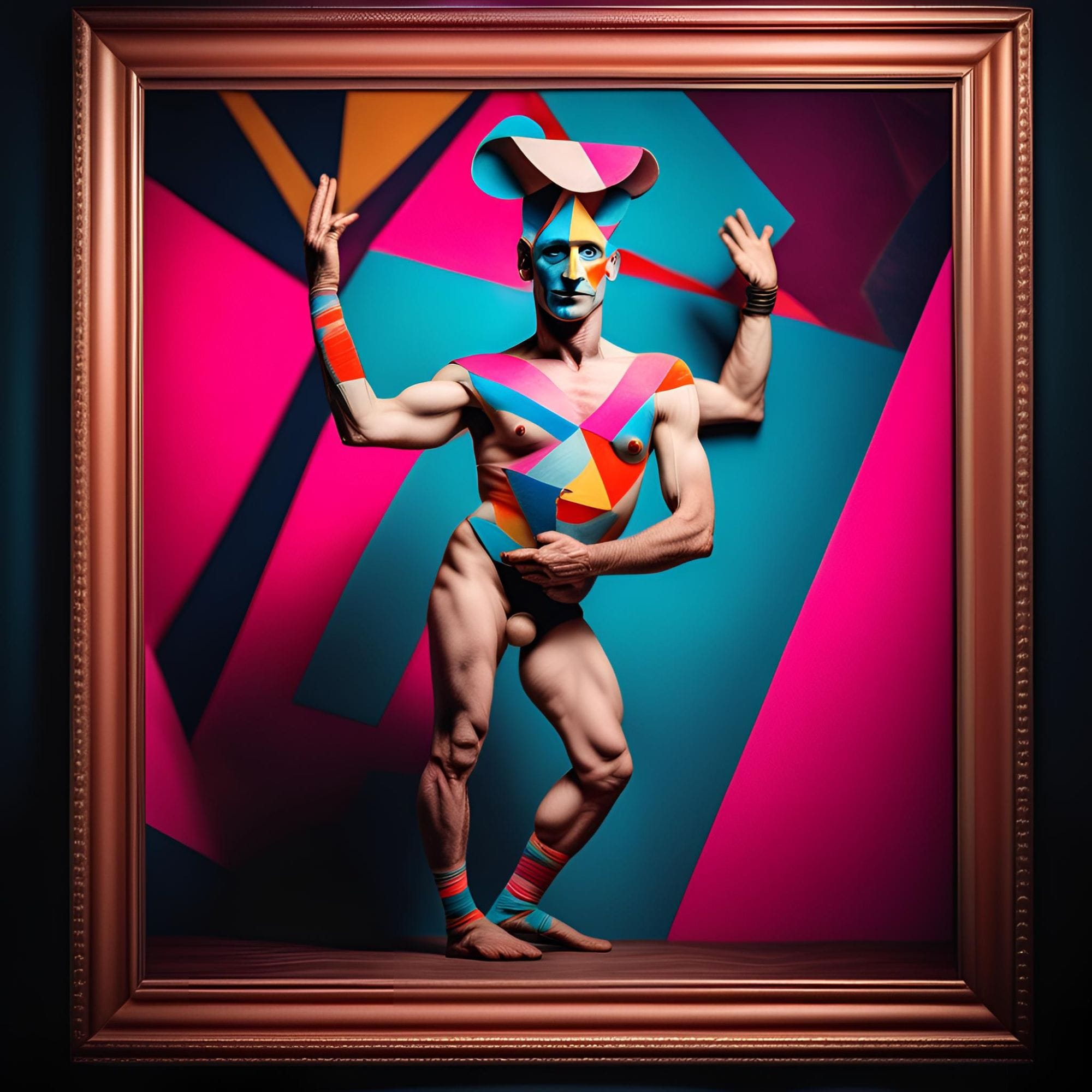
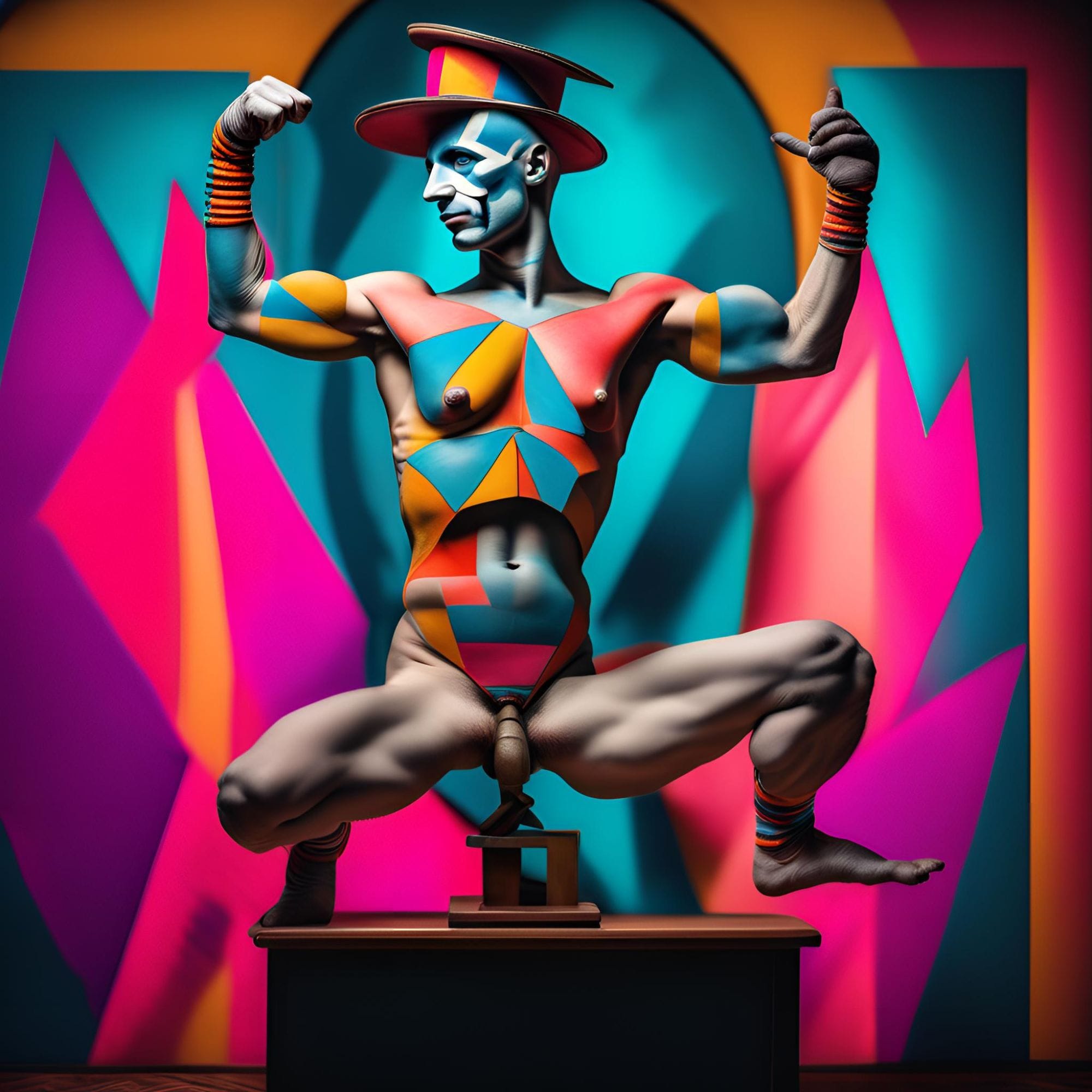
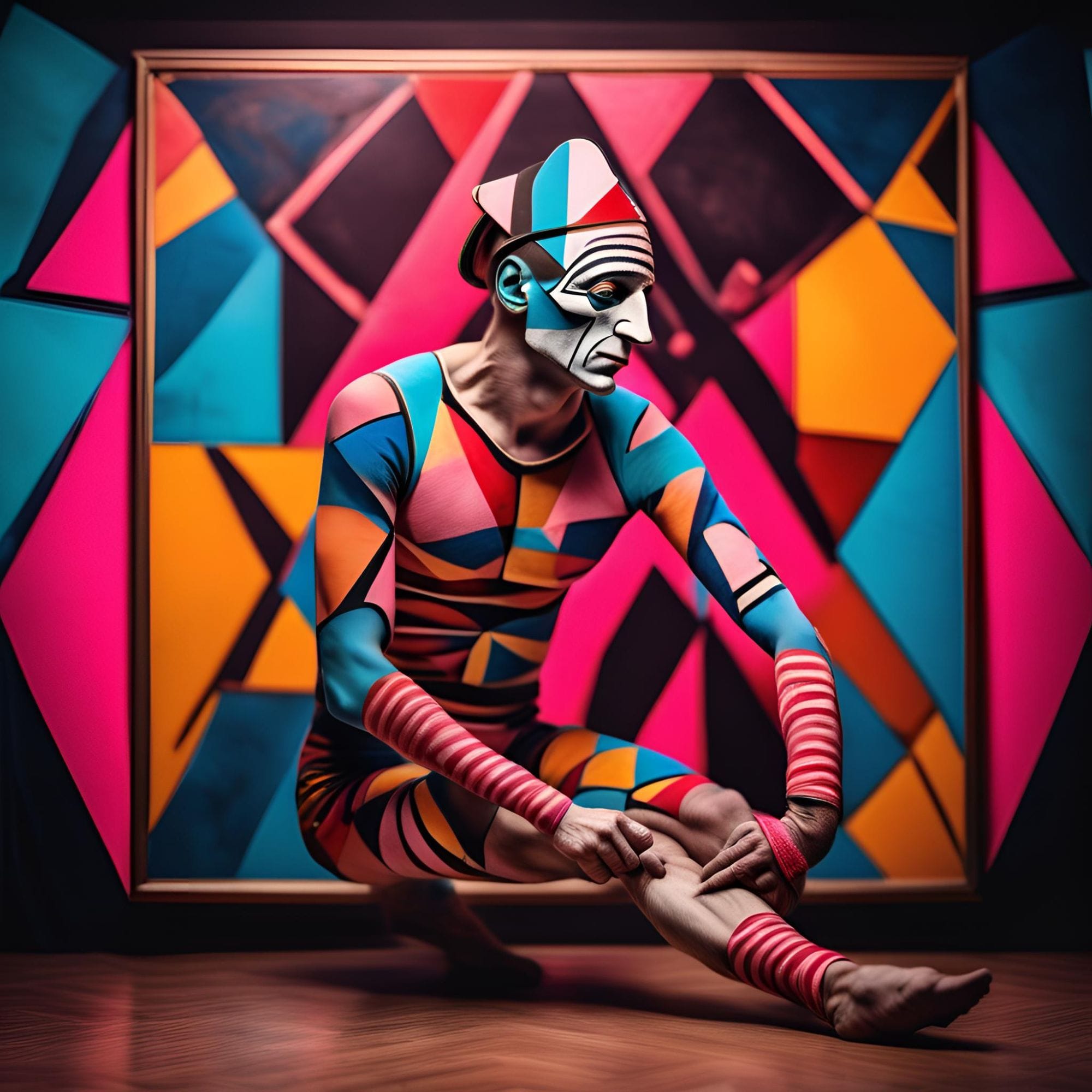
In The Acrobat, Pablo Picasso employs a dynamic composition that captures the viewer's attention immediately. The figure of the acrobat is positioned centrally, commanding the space with an almost ethereal presence. The angular shapes and bold lines create a sense of movement, evoking the acrobat's physical prowess and grace. Picasso’s mastery of form is evident in how he balances the figure against a more subdued background, allowing the acrobat to stand out as the focal point of the piece.
The color palette of The Acrobat is particularly striking, utilizing a blend of warm and cool tones that contribute to the overall emotional depth of the work. The dominance of blue and pink hues reflects the lingering influences of Picasso's Blue and Rose periods, infusing the painting with a sense of melancholy and sensitivity. The contrasts within the palette not only highlight the acrobat's muscular form but also evoke a feeling of tension and energy, mirroring the acrobat's precarious existence as both a performer and an artist.
Symbolism of the Acrobat Figure
The acrobat in Picasso’s artwork serves as a potent symbol of both artistic struggle and transcendence. Traditionally, acrobats embody themes of risk and uncertainty, often performing dangerous feats that blur the line between success and failure. In The Acrobat, this symbolism is heightened; the figure’s poised stance suggests both confidence and vulnerability, reflecting the duality of the artist's journey. The acrobat can be interpreted as a metaphor for the creative process itself—a balancing act that requires courage, skill, and the willingness to confront the unknown.
Moreover, the acrobat’s athleticism and agility serve as a reminder of the physicality inherent in artistic expression. Picasso’s choice to depict such a figure resonates with the broader narrative of early 20th-century art, where the human form was often explored in new and innovative ways. Through the acrobat, Picasso invites viewers to consider the intersection of art, performance, and the human experience.
Interpretations of Movement and Emotion in The Acrobat
The sense of movement in The Acrobat is palpable, with Picasso expertly conveying the dynamism of the figure through his use of line and form. The curvilinear shapes suggest fluidity, as if the acrobat is caught in a moment of graceful motion. This portrayal of movement not only captivates the viewer but also evokes an emotional response, drawing them into the acrobat’s world of exhilaration and risk.
Emotionally, the artwork resonates with a deep sense of yearning and introspection. The acrobat’s facial expression, while somewhat ambiguous, hints at a mixture of determination and contemplation. This complexity encourages varied interpretations, allowing viewers to project their own experiences and feelings onto the figure. The emotional weight of The Acrobat lies in its ability to evoke a range of sentiments—from admiration for the acrobat’s skill to empathy for the underlying struggles that accompany such a life.
In summary, The Acrobat stands as a remarkable exploration of composition, color, symbolism, and emotional depth. Through Picasso's innovative approach, the artwork transcends mere representation, inviting viewers to engage with the themes of art, performance, and the human condition in profound ways.
Legacy and Influence
Impact on Contemporary Art and Artists
Picasso's The Acrobat has left an indelible mark on the trajectory of modern art, inspiring countless artists who followed in his footsteps. The painting's innovative approach to form and color has encouraged a departure from traditional artistic techniques, paving the way for movements such as Expressionism and Surrealism. The acrobat, as a figure of both grace and tension, resonates with contemporary artists exploring themes of physicality and emotional complexity. Notably, the work's emphasis on abstraction and the human experience has influenced a diverse range of practices, from performance art to installations that challenge the viewer's perception of movement and space. Artists like Jean-Michel Basquiat and Damien Hirst have openly acknowledged Picasso's impact, demonstrating how The Acrobat continues to inform and inspire modern artistic expression.
The Acrobat in Popular Culture and Media
Beyond the confines of the gallery, The Acrobat has permeated popular culture in numerous ways. The image of the acrobat, a symbol of both freedom and vulnerability, has been referenced in film, literature, and theater, often representing the struggles of the human spirit. The painting's vibrant colors and dynamic composition have made it a favorite subject for adaptations in various media, including graphic novels and animated films. Additionally, contemporary dance and circus performances have drawn inspiration from the emotional depth and physicality depicted in Picasso's work, creating a dialogue between visual art and performative expression. This cross-pollination illustrates the timeless nature of Picasso's vision, as The Acrobat continues to resonate with audiences and artists alike.
Ongoing Exhibitions and Public Interest
The enduring legacy of The Acrobat is further evidenced by its continued presence in major art exhibitions around the world. Institutions such as the Museum of Modern Art (MoMA) and the Musée Picasso in Paris frequently feature the painting in retrospectives that celebrate Picasso's innovative contributions to art. These exhibitions often attract significant public interest, drawing in visitors eager to engage with the work's historical and emotional narratives. Moreover, educational programs surrounding these exhibitions foster a deeper understanding of Picasso's techniques and themes, ensuring that new generations of art enthusiasts appreciate the significance of The Acrobat. As art historians and curators continue to explore and reinterpret this masterpiece, its relevance in contemporary discourse remains robust, solidifying its place in the canon of art history.
In summary, the legacy of Picasso's The Acrobat extends beyond its original context, influencing a wide array of artistic practices and permeating popular culture. Its themes of movement, emotion, and the human condition resonate with audiences across generations, ensuring that this work remains a vital part of the artistic conversation.
Conclusion and Final Thoughts
In conclusion, Picasso's The Acrobat stands as a remarkable testament to the artist's innovative spirit and his ability to capture the complexities of human emotion and experience. Through this work, we see not only a reflection of Picasso's early career but also an embodiment of the broader artistic movements of the early 20th century. The painting transcends mere representation; it invites viewers to engage with the nuanced interplay of color, form, and symbolism.
The influence of circus performers, a recurring motif in Picasso's oeuvre, serves as a powerful vehicle for exploring themes of vulnerability, strength, and the duality of existence. The Acrobat exemplifies how these figures can represent both the joy and sorrow inherent in the human condition, resonating deeply with audiences across generations. The composition's dynamic lines and expressive palette further amplify the sense of movement and emotion, allowing us to feel the pulse of the acrobat's world.
As we reflect on the legacy of The Acrobat, it is evident that Picasso's work continues to inspire contemporary artists and captivate the public's imagination. The painting's presence in popular culture and its frequent appearances in exhibitions underscore its relevance and enduring appeal. Through ongoing discussions and reinterpretations, The Acrobat maintains its status as a significant cultural artifact that challenges and delights viewers.
Ultimately, Picasso's The Acrobat invites us to ponder the complexities of art and life, encouraging us to explore the boundaries of creativity and the depths of our own emotions. As we appreciate this masterpiece, we are reminded of the transformative power of art to capture the essence of the human experience, leaving an indelible mark on the landscape of modern art and beyond.