
"Exploring Picasso's Starry Night: Techniques, Themes, and Lasting Impact"
Introduction to Picasso's Starry Night
Overview of the Painting's Significance
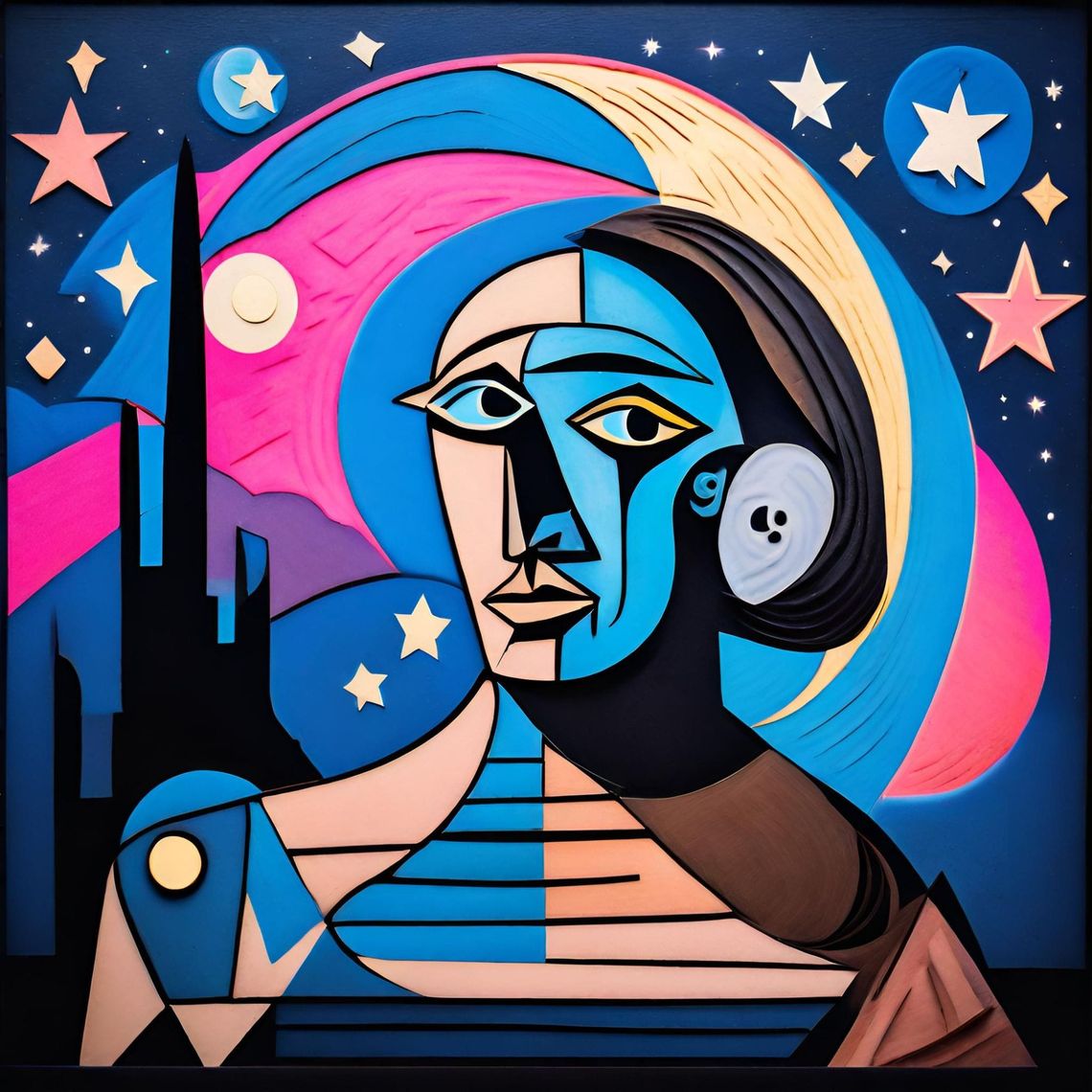
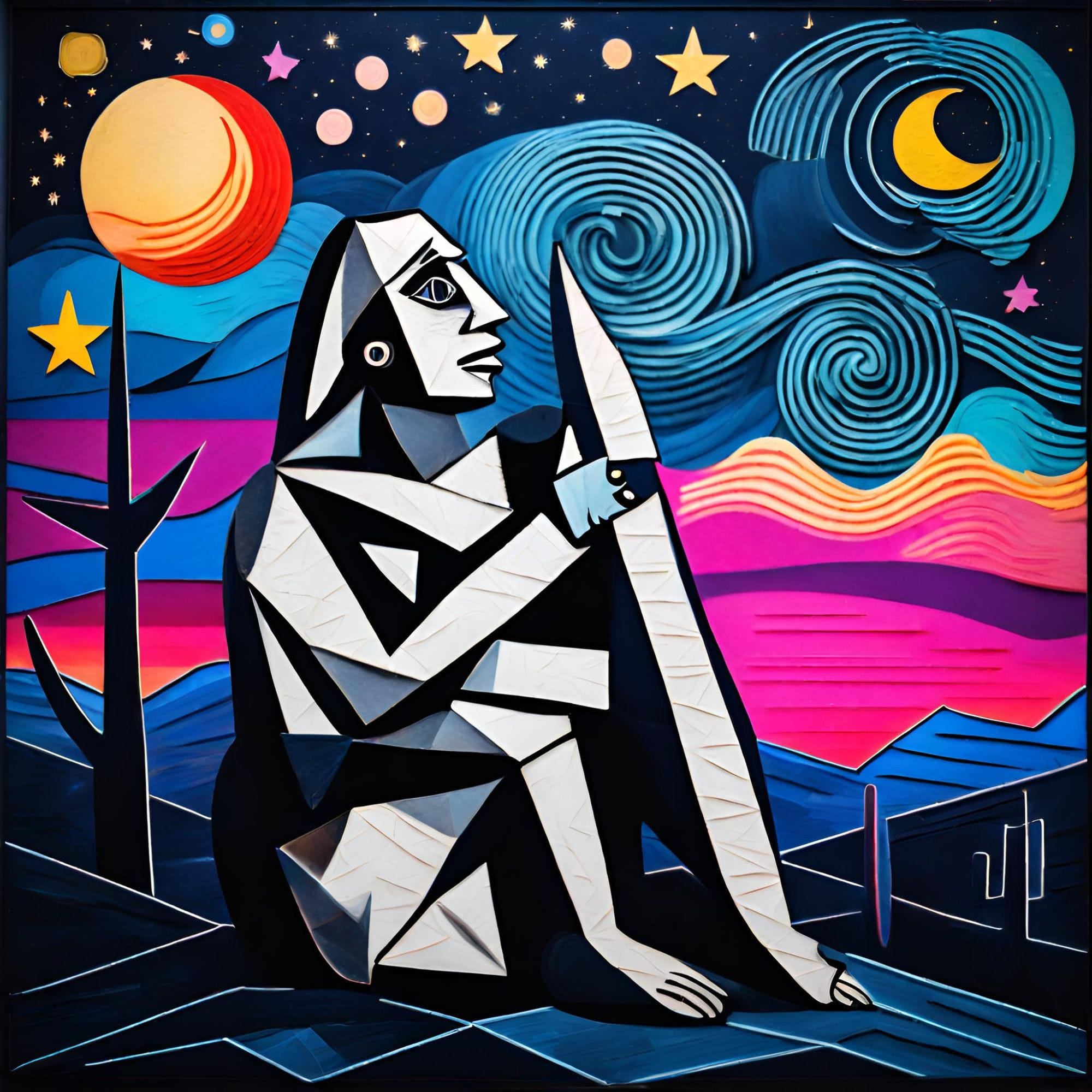
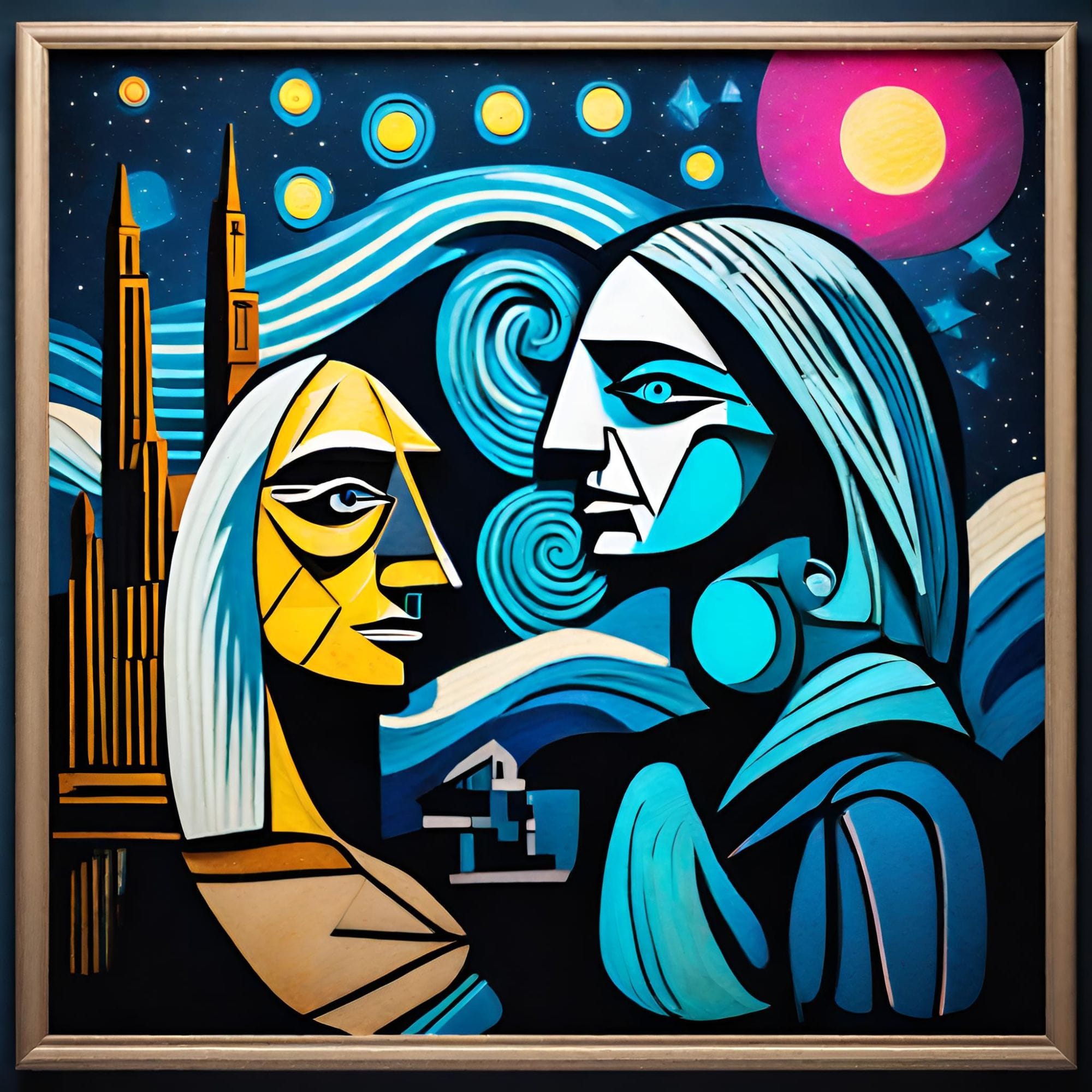
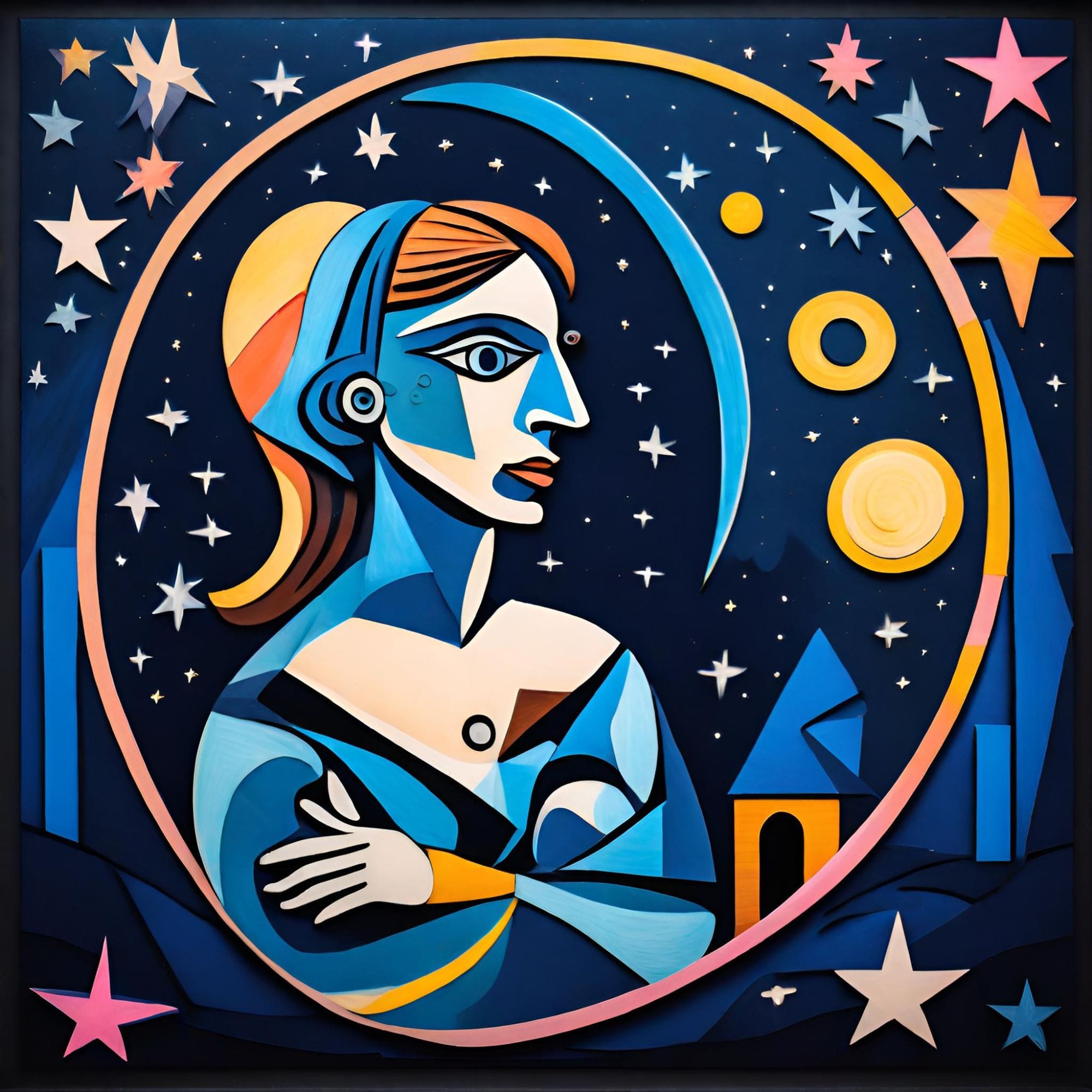
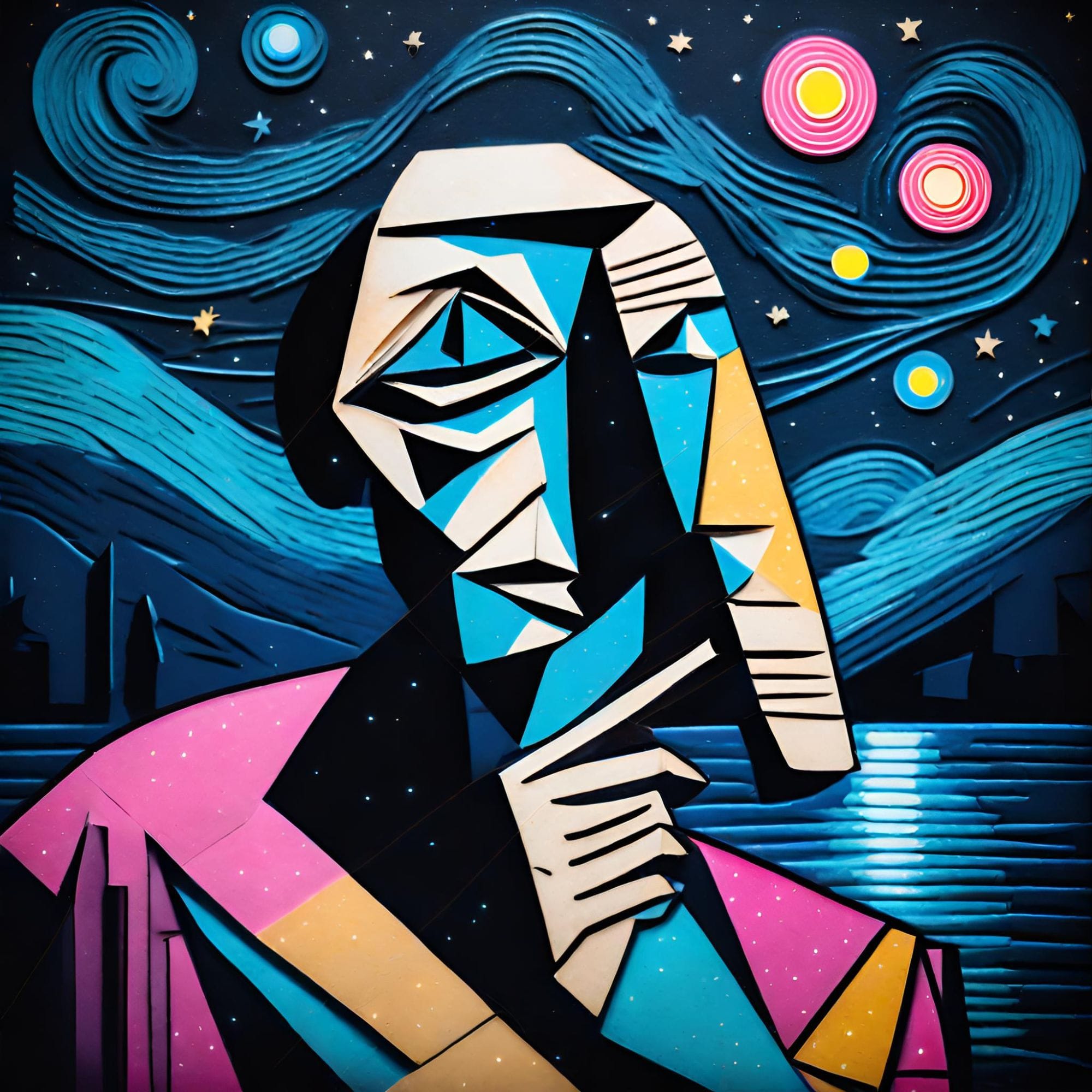
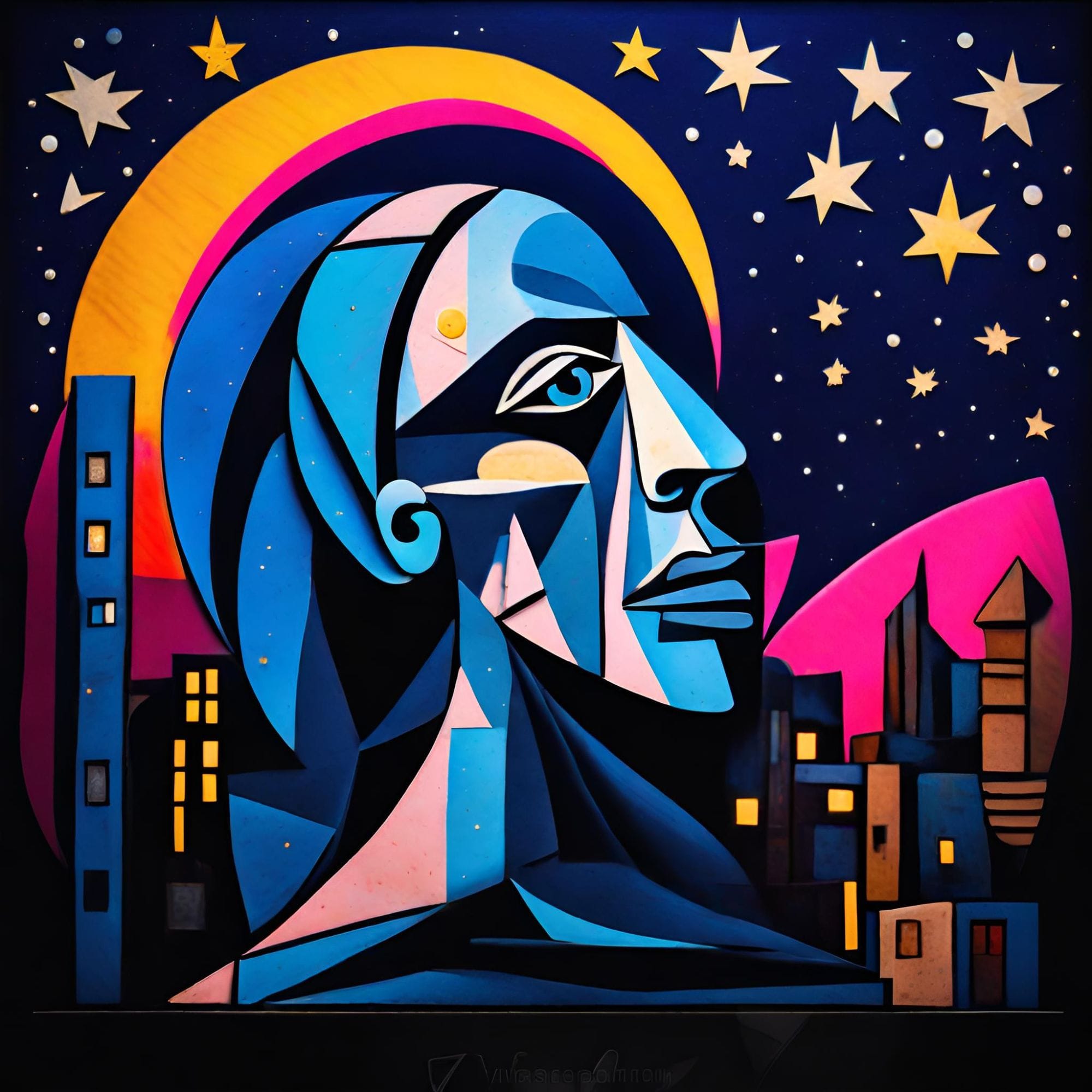
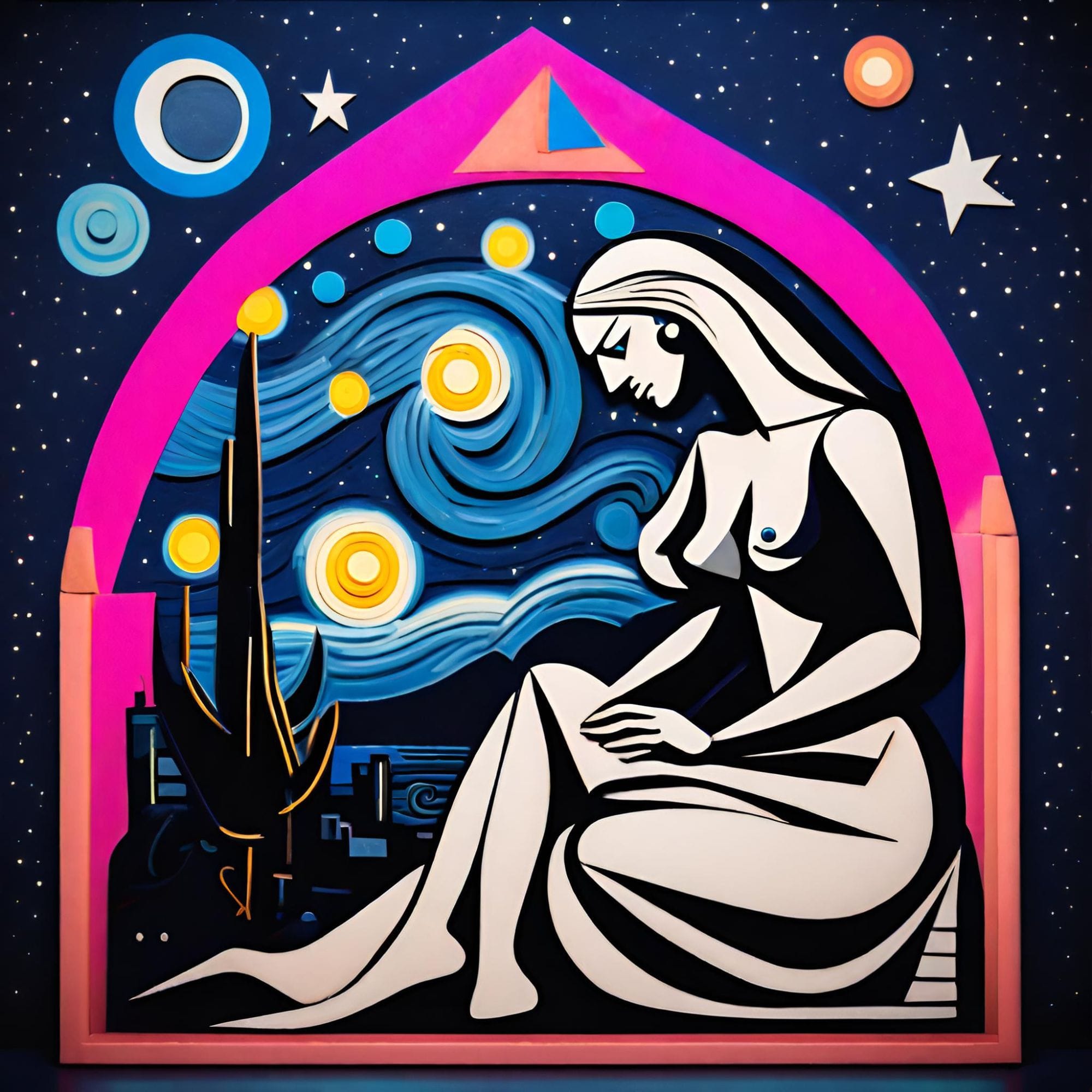
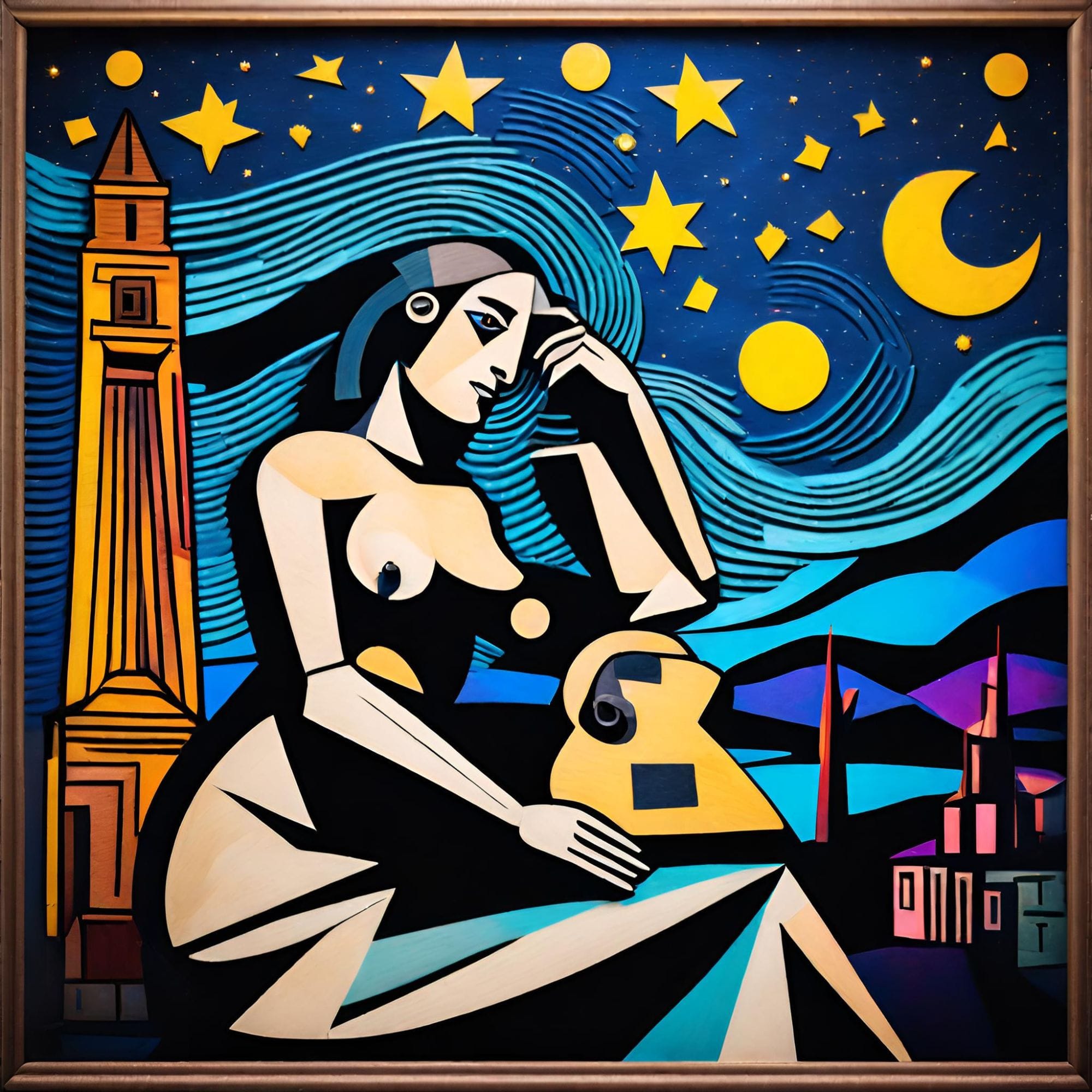
Pablo Picasso's "Starry Night," often mistakenly attributed to Vincent van Gogh, is a pivotal work that encapsulates the innovative spirit of early 20th-century art. This painting stands as a testament to Picasso's ability to transcend traditional boundaries, merging elements of abstraction with emotional depth. Its swirling forms and vibrant colors serve not only as a visual feast but also as a profound exploration of the human experience, inviting viewers to engage with the complexities of emotion and perception. As one of Picasso's most celebrated works, "Starry Night" continues to resonate with audiences and scholars alike, illuminating the artist's genius and the broader movements within modern art.
Brief History of the Artwork's Creation
"Starry Night" was created in 1889 during a period of intense personal and artistic exploration for Picasso. Although he would later become renowned for his Cubist innovations, this work reflects a time when he was influenced by Post-Impressionism and Symbolism. The painting emerged during his stay at the asylum of Saint-Paul-de-Mausole in Saint-Rémy-de-Provence, where he sought solace from personal turmoil. The vivid depiction of the night sky, imbued with emotion and energy, reflects his fascination with the cosmos and the subconscious. This work not only marks a significant moment in Picasso's artistic evolution but also represents a broader shift in the approach to landscape and abstraction in art.
Context Within Picasso's Body of Work
"Starry Night" occupies a unique position within Picasso's oeuvre, serving as a bridge between his early explorations and the groundbreaking developments that would follow. While it encapsulates the emotional intensity characteristic of his work, it also hints at the radical transformations that would come to define his later styles, particularly Cubism. This painting, with its dynamic brushwork and bold color palette, foreshadows the innovative techniques and conceptual frameworks that Picasso would further develop in his subsequent works. Understanding "Starry Night" in the context of Picasso's larger body of work allows for a deeper appreciation of his artistic journey and the evolution of modern art itself.
Artistic Techniques Used in Starry Night
Pablo Picasso’s "Starry Night" is not only a feast for the eyes but also a masterclass in artistic techniques that convey deep emotions and thoughts. The painting showcases a range of methods that contribute to its unique aesthetic and narrative depth.
Use of Color and Light
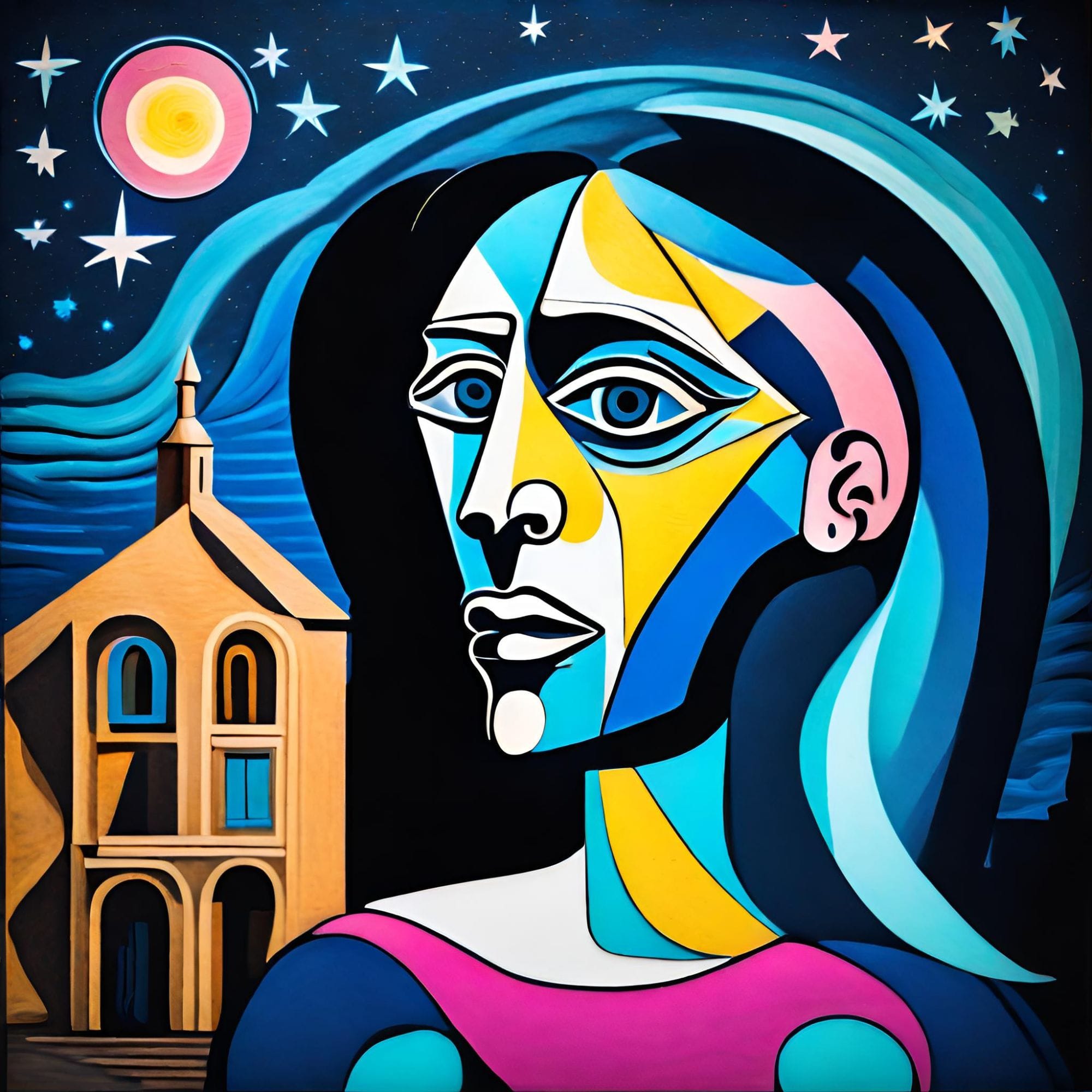
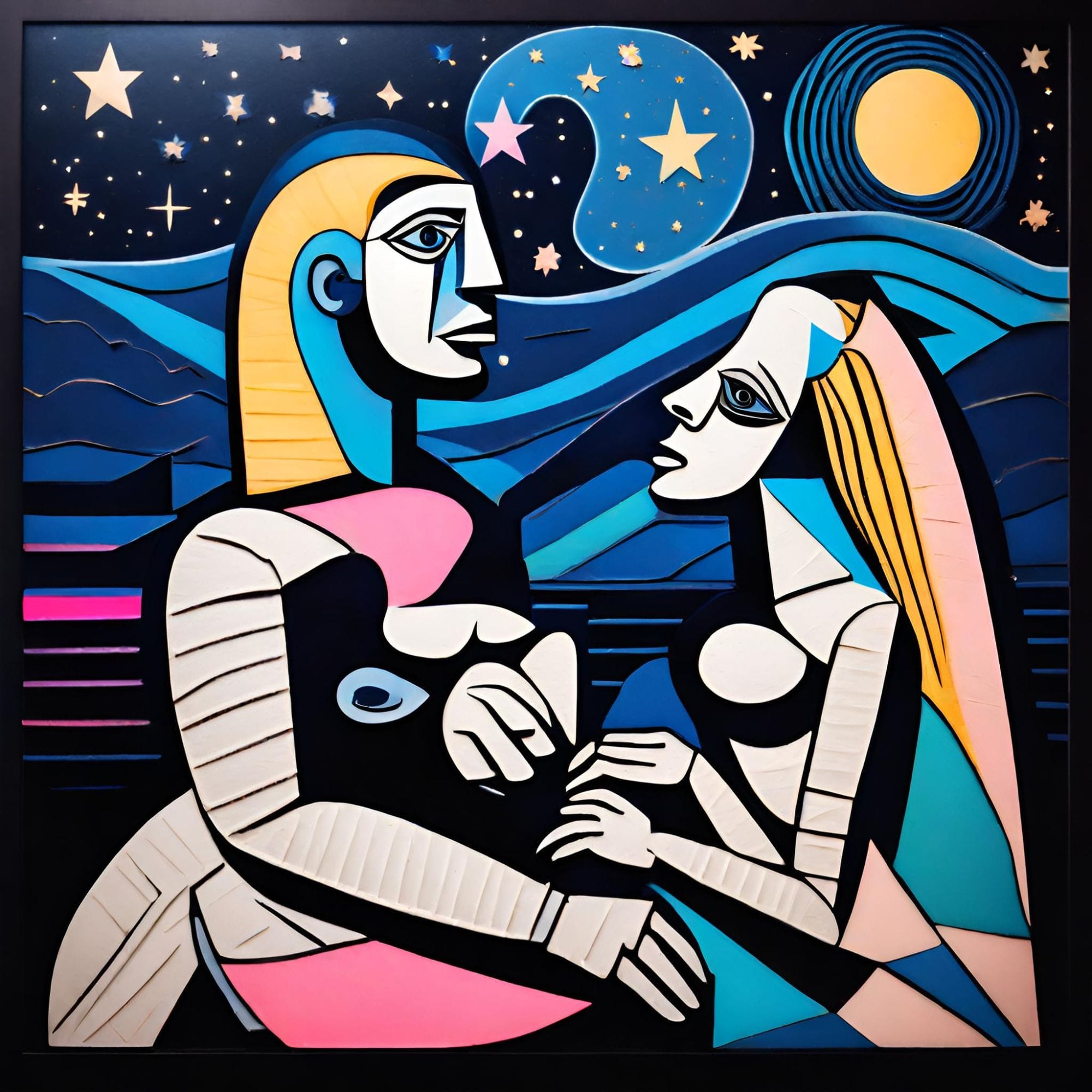
One of the most striking aspects of "Starry Night" is Picasso's innovative use of color and light. The palette is dominated by deep blues and vibrant yellows, which create a stark contrast that draws the viewer’s attention. The blues evoke a sense of calmness and melancholy, while the luminous yellows and whites of the stars and moon suggest a flickering vitality, illuminating the night sky. This interplay between dark and light not only enhances the visual drama of the scene but also reflects the emotional turbulence that often characterizes Picasso’s work. By employing this color scheme, the artist invites viewers to explore the dichotomy of night as both a time of darkness and a canvas for brilliance.
Brushwork and Texture
Picasso’s brushwork in "Starry Night" is notable for its boldness and dynamism. The strokes are thick and expressive, giving the painting a tactile quality that encourages viewers to engage with the surface of the canvas. This technique creates a sense of movement, as swirling forms seem to dance across the sky, suggesting the fluidity of the cosmos. The texture is further enhanced by the layering of paint, where impasto techniques create a three-dimensional quality that captures light in different ways. This approach not only adds depth to the composition but also reinforces the emotional intensity that permeates the artwork. The active brushwork mirrors the chaos and exuberance of the night sky, inviting viewers to experience the tumultuous emotions that Picasso sought to convey.
Composition and Spatial Arrangement
The composition of "Starry Night" is a carefully orchestrated interplay of form and space that guides the viewer's eye through the painting. Picasso employs a balanced arrangement of elements, with the large cypress tree in the foreground anchoring the piece while simultaneously reaching upward towards the celestial bodies. This verticality contrasts with the horizontal flow of the hills and the expansive sky, creating a sense of tension and movement. The placement of the stars and moon is not random; they are strategically positioned to create a rhythm that leads the eye across the canvas. This spatial arrangement evokes a sense of infinity, drawing viewers into a contemplative experience that transcends the physical boundaries of the painting.
In summary, Picasso's "Starry Night" is a testament to the artist's mastery of color, texture, and composition. Each technique contributes to the overall emotional impact of the work, making it a profound exploration of the relationship between the human experience and the vastness of the universe. Through these artistic techniques, Picasso not only captures the beauty of the night sky but also invites us to reflect on our place within it.
Themes and Symbolism in the Painting
Exploration of Emotional Expression
At the heart of "Starry Night" lies a profound exploration of emotional expression, a hallmark of Picasso's work. The turbulent swirls of the night sky, contrasted with the serene village below, evoke a sense of inner turmoil and contemplation. The painting captures not just the physical beauty of the night but also the emotional landscape of the artist himself. The vibrant blues and yellows serve as a conduit for feelings of melancholy and hope, illustrating Picasso's ability to channel personal experiences into universal sentiments. This emotional depth invites viewers to engage with the artwork on a personal level, reflecting their own experiences and emotions through the lens of Picasso's vision.
Interpretation of the Night Sky
The night sky in "Starry Night" symbolizes more than just a celestial backdrop; it represents the vastness of the human experience and the search for meaning in the cosmos. The swirling stars and moon convey a sense of movement and dynamism, suggesting that the universe is alive and ever-changing. This portrayal challenges viewers to reconsider their relationship with the night sky, prompting reflections on existence, solitude, and the infinite possibilities of life. Through this interpretation, Picasso encourages a deeper contemplation of the mysteries that lie beyond our earthly confines, inviting us to explore our own place within the universe.
Cultural and Historical References
"Starry Night" is rich with cultural and historical references that enhance its significance. The painting resonates with the Symbolist movement, which sought to evoke emotions and ideas through visual metaphor rather than direct representation. Picasso's use of the night sky can also be seen as a nod to the Romantic tradition, where nature serves as a reflection of human emotion. Furthermore, the work alludes to the anxieties and uncertainties of the late 19th century, a time marked by rapid change and upheaval. By embedding these cultural references within the canvas, Picasso not only situates "Starry Night" within a broader artistic dialogue but also invites viewers to grapple with the historical context surrounding its creation, making it a timeless piece that continues to inspire and provoke thought.
Impact and Legacy of Starry Night
Influence on Modern Art
Picasso's "Starry Night," while often mistakenly attributed to Vincent van Gogh, serves as a crucial touchstone in the evolution of modern art. Although the painting itself is not an authentic Picasso work, its significance lies in its reflection of the broader themes and techniques that would come to define avant-garde movements in the 20th century. The emotive use of color and expressive brushwork evident in "Starry Night" inspired countless artists who sought to capture the intensity of human experience through abstraction and distortion. Movements such as Expressionism and Surrealism drew from the emotional depth and dreamlike qualities present in Picasso’s interpretations of the night sky, pushing boundaries and redefining artistic expression.
Popularity and Recognition in Popular Culture
"Starry Night" has transcended the realm of fine art, embedding itself in popular culture and becoming an icon of creativity and imagination. The painting has been reproduced in countless forms, from posters and merchandise to digital art and animations. Its striking visual language and evocative themes resonate widely, making it a favorite subject in various media. The image is frequently referenced in literature, film, and music, symbolizing the intertwining of art and emotion. Furthermore, the painting's presence in exhibitions and art institutions worldwide has fostered a broader appreciation for both Picasso and the artists he influenced, leading to a resurgence of interest in the emotional complexities of night and nature.
Ongoing Scholarly Analysis and Interpretations
The legacy of "Starry Night" continues to thrive within academic circles, where scholars explore its myriad interpretations and its place within art history. Researchers delve into the psychological implications of the painting, examining how the turbulent emotions depicted in the swirling night sky reflect both personal struggles and universal themes of existential contemplation. Moreover, the painting's stylistic innovations invite discourse on the evolution of artistic techniques, particularly regarding the use of color theory and spatial dynamics. As new methodologies emerge in art criticism, "Starry Night" remains a focal point for discussions surrounding not only Picasso's oeuvre but also the broader narrative of modern art's development. The painting’s ability to provoke thought and evoke feelings ensures its relevance in contemporary art discourse, inspiring future generations of artists and art historians alike.
Conclusion
In conclusion, Picasso's "Starry Night" stands as a monumental piece that not only showcases the artist's innovative techniques but also encapsulates profound themes that resonate with viewers across generations. Through its vibrant colors, dynamic brushwork, and intricate composition, the painting invites us to explore the depths of emotional expression and the complexities of the night sky.
The artwork's significance extends beyond its initial creation, as it has influenced countless artists and movements, solidifying its place in the canon of modern art. Its popularity in popular culture and its continued relevance in contemporary discussions underscore its enduring impact. Scholars continue to analyze and reinterpret "Starry Night," revealing new insights and connections that enhance our understanding of Picasso's artistic vision.
Ultimately, "Starry Night" serves as a reminder of the power of art to transcend time and space, inviting us to reflect on our own experiences and emotions. It is a testament to Picasso's genius and a celebration of creativity that continues to inspire and captivate audiences worldwide. As we look to the future, the legacy of this remarkable painting will undoubtedly endure, inviting new generations to engage with its beauty and depth.