
"Exploring Picasso's Seated Women Dora: Artistic Legacy, Themes, and Impact"
Introduction to Picasso's Seated Woman Dora
Pablo Picasso, one of the most influential artists of the 20th century, is celebrated for his ability to continually evolve his artistic style, leaving an indelible mark on the world of modern art. His work spans various periods, including the Blue and Rose periods, and culminates in his groundbreaking contributions to Cubism. Among his many subjects, the women in his life often served as profound inspirations, encapsulating his emotional and artistic journey. One such pivotal figure is Dora Maar, a multifaceted artist and photographer who significantly influenced Picasso during the late 1930s and early 1940s.
Dora Maar was not only Picasso's muse but also a creative partner who deeply affected his work. Their tumultuous relationship is often reflected in the emotional intensity and complexity of the artworks he created during their time together. "Seated Woman Dora," painted in 1940, stands as a testament to this dynamic, offering insight into both Picasso's psyche and the intricate interplay between artist and subject. As their relationship evolved, so too did Picasso's artistic expressions, marking a distinct phase in his career characterized by experimentation and innovation.
The artwork "Seated Woman Dora" occupies a significant place within Picasso's oeuvre, emerging during a period of personal and global turmoil. As World War II loomed, the painting reflects not only the artist's emotional landscape but also the broader anxieties of a world on the brink of conflict. This context adds layers of meaning to the work, inviting viewers to explore the complexities of human relationships and the existential themes that Picasso grappled with during this critical juncture in his life and career. Through this exploration, we can better understand the profound impact of Dora Maar on Picasso's artistic legacy and the enduring relevance of "Seated Woman Dora" in the tapestry of modern art.
Analysis of the Artwork
Description of Visual Elements and Composition
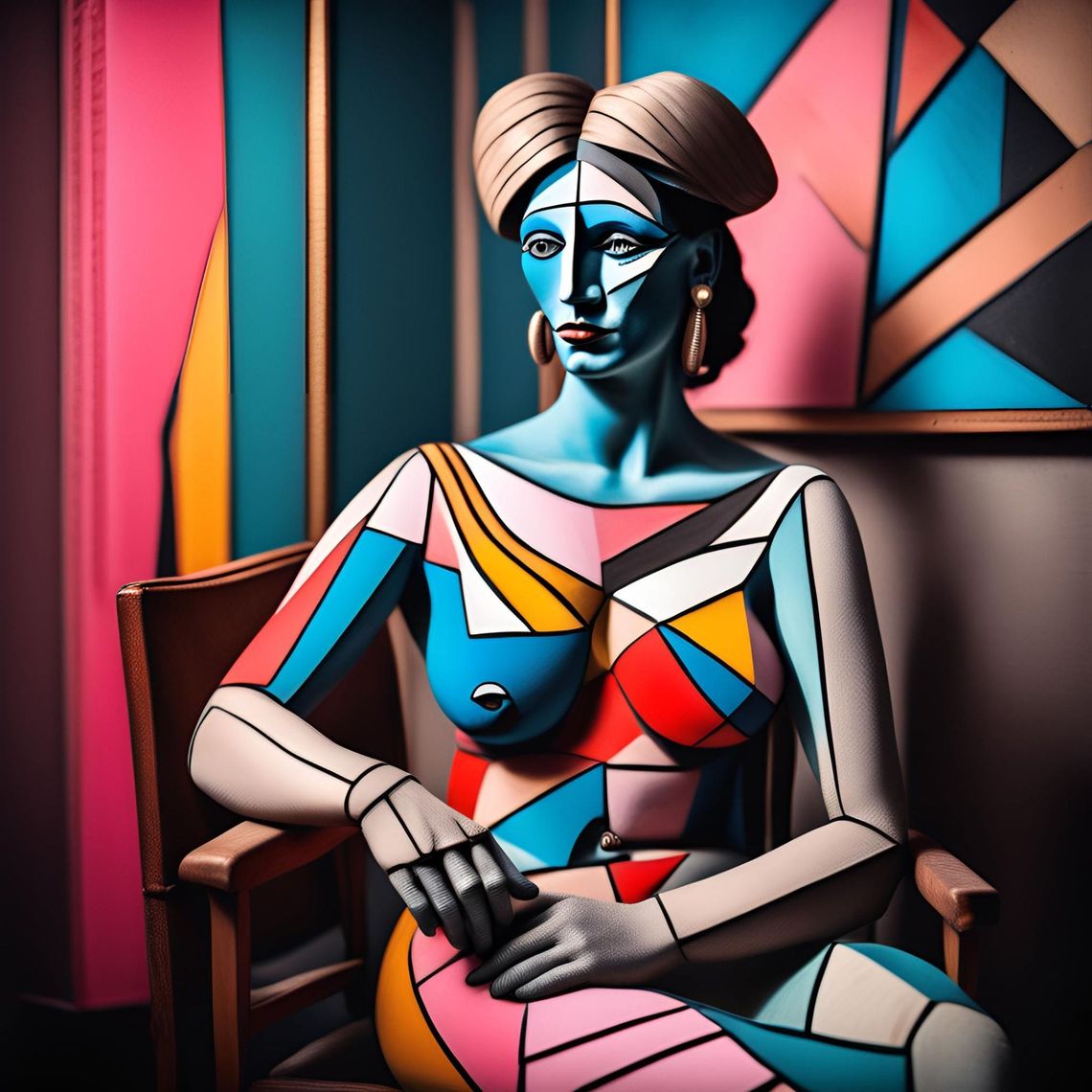
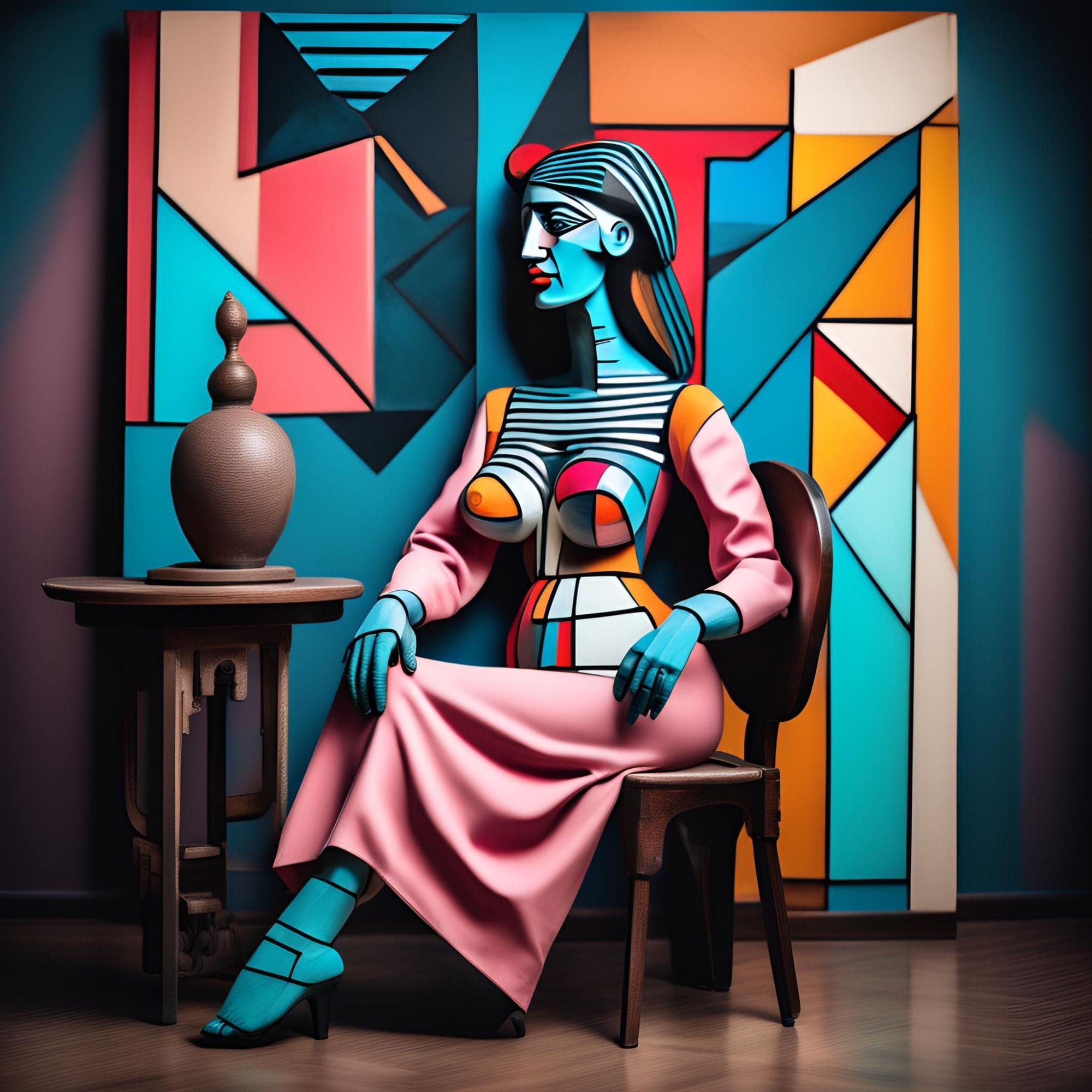
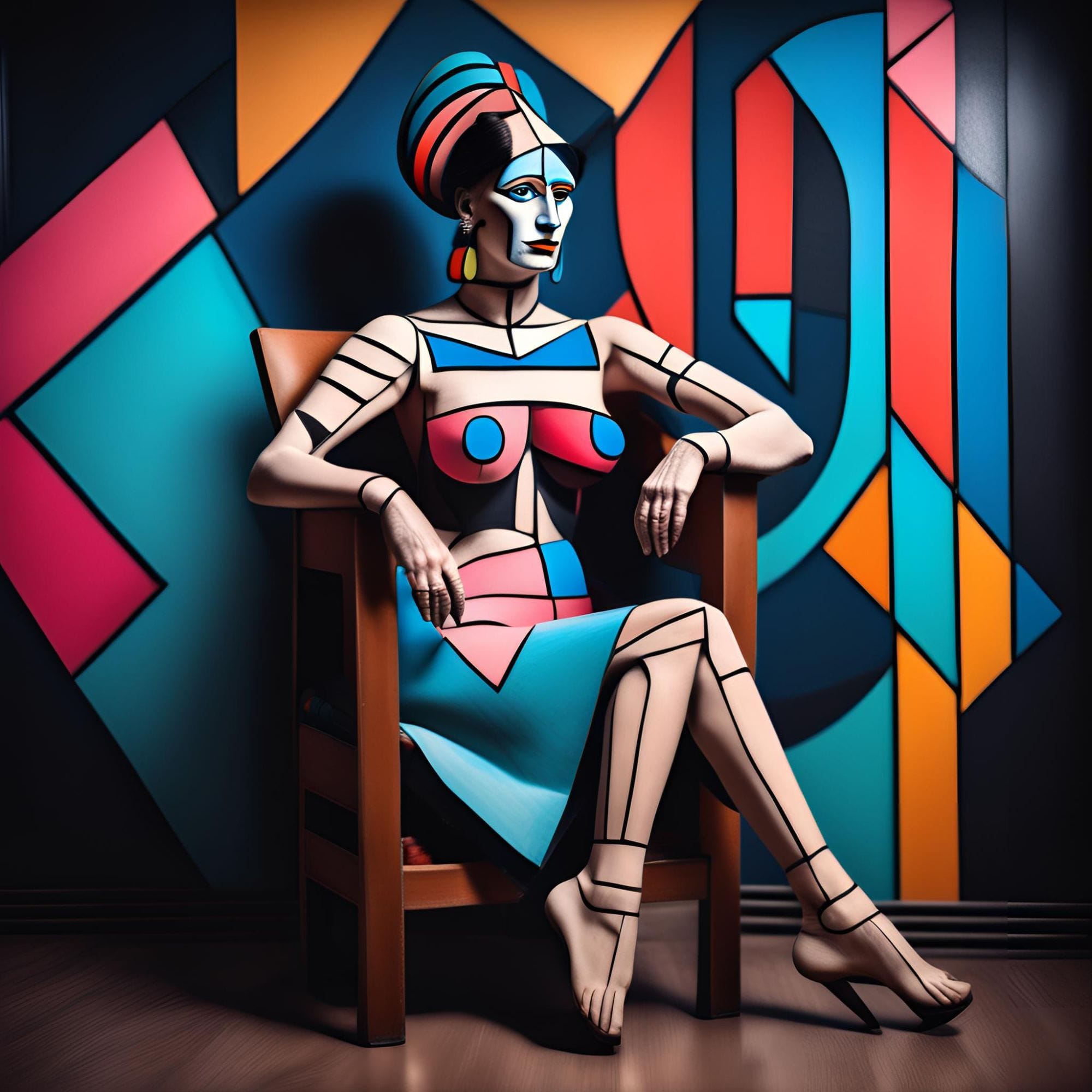
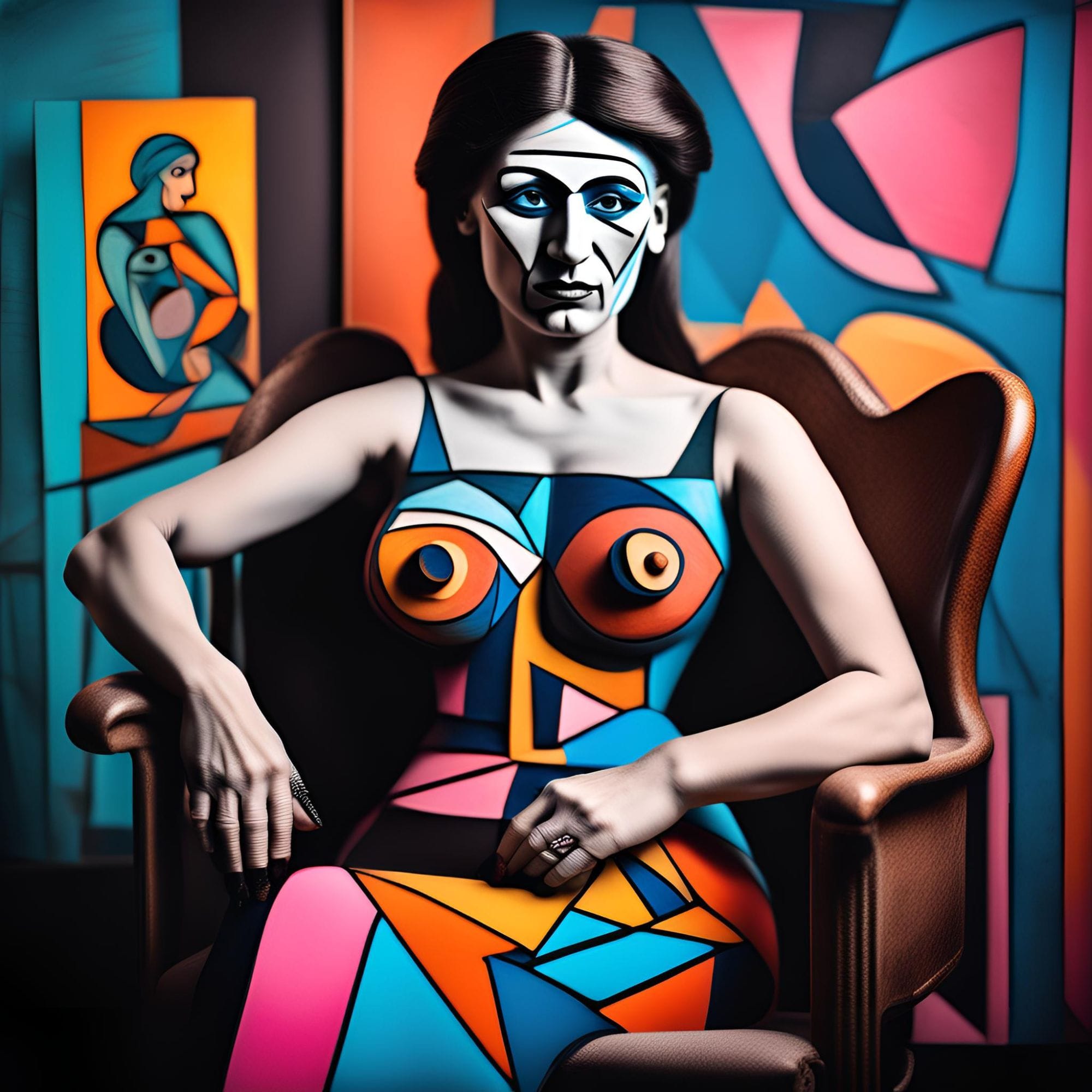
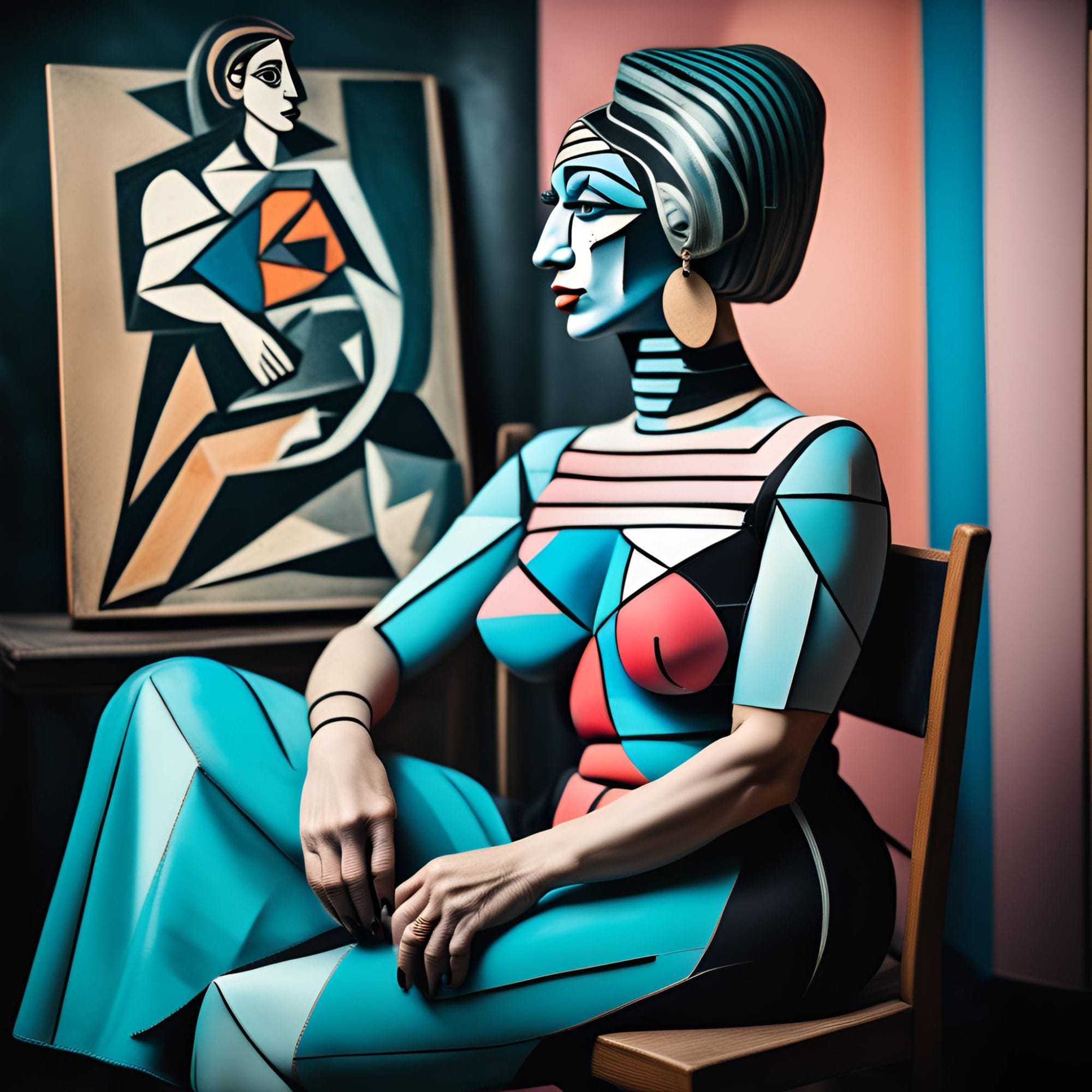
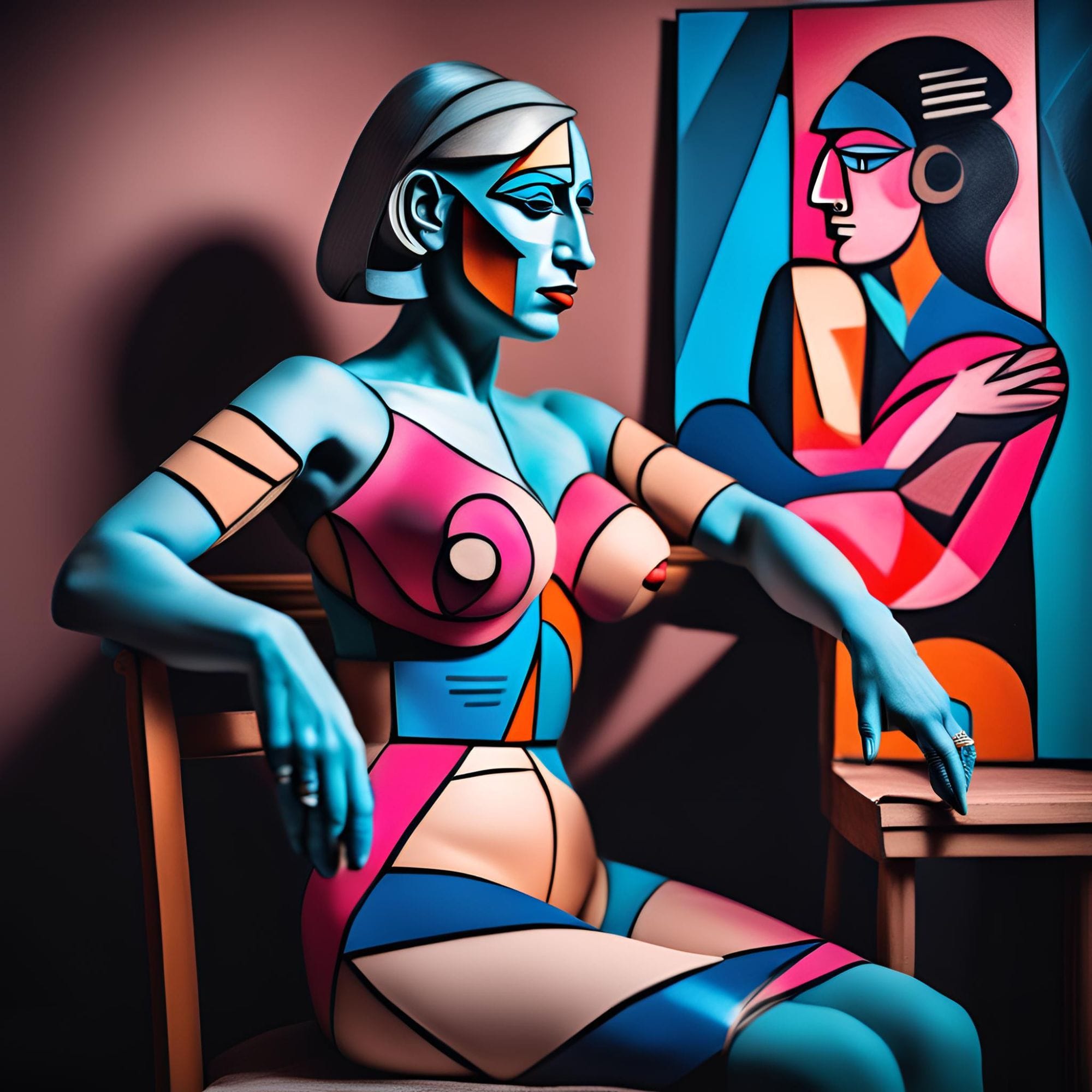
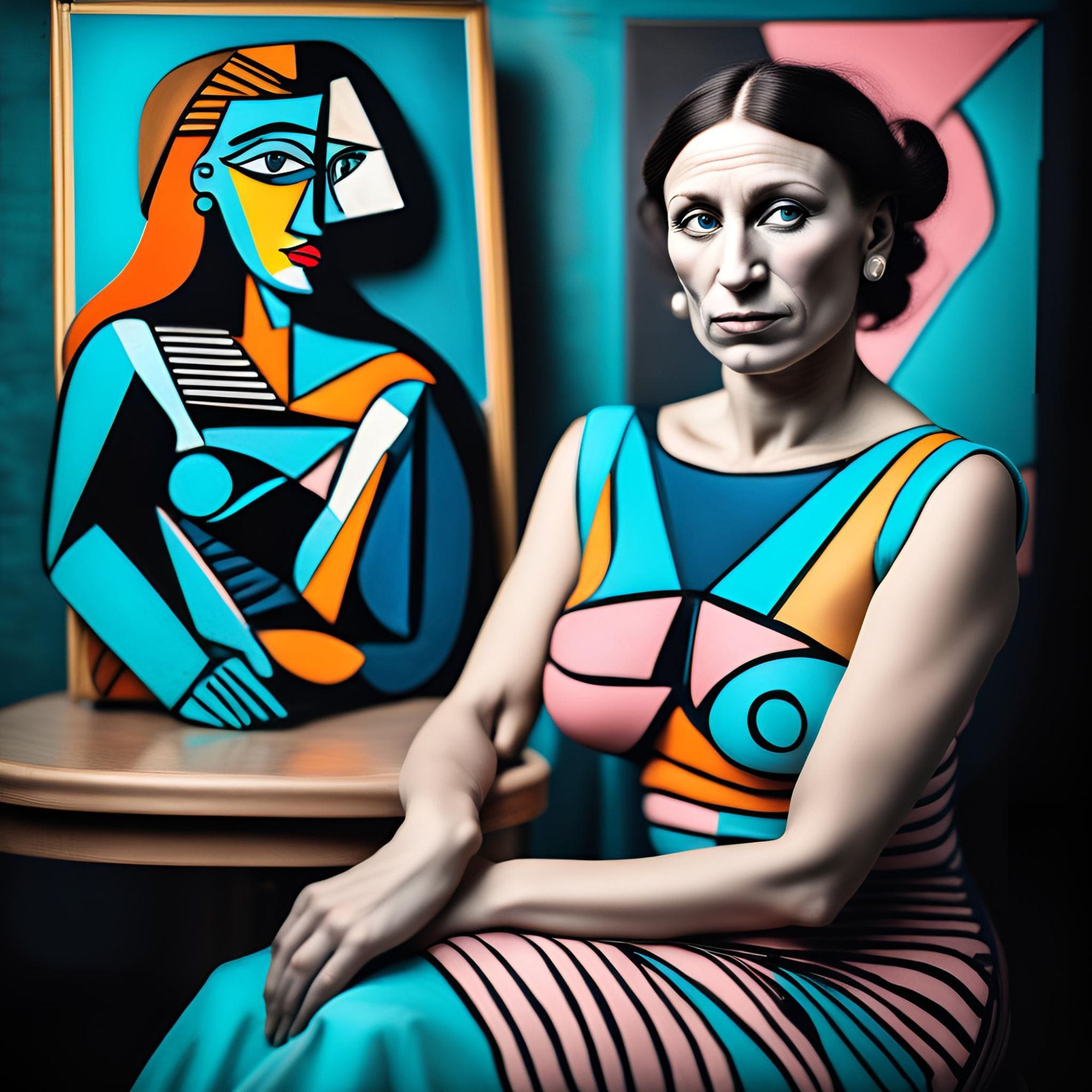
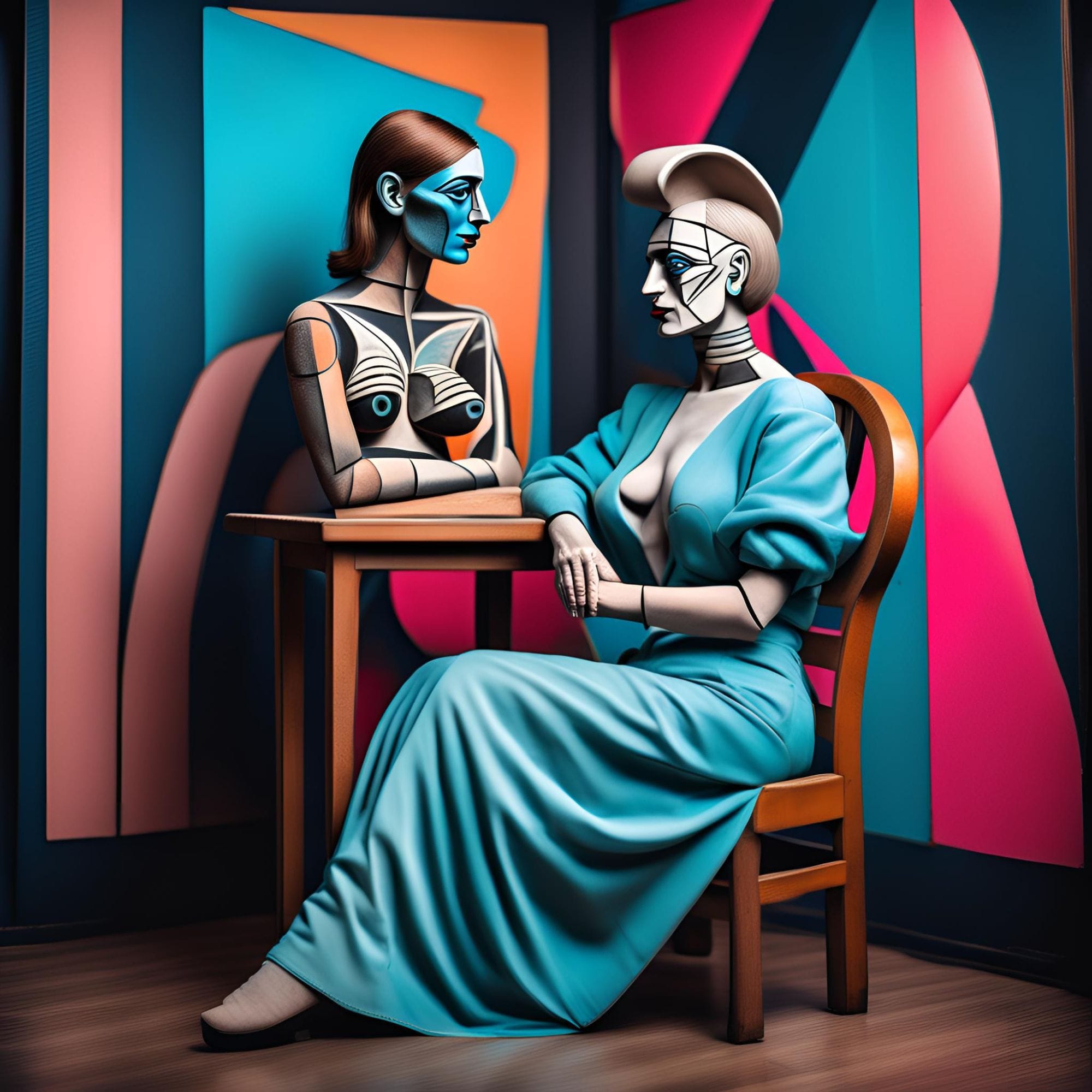
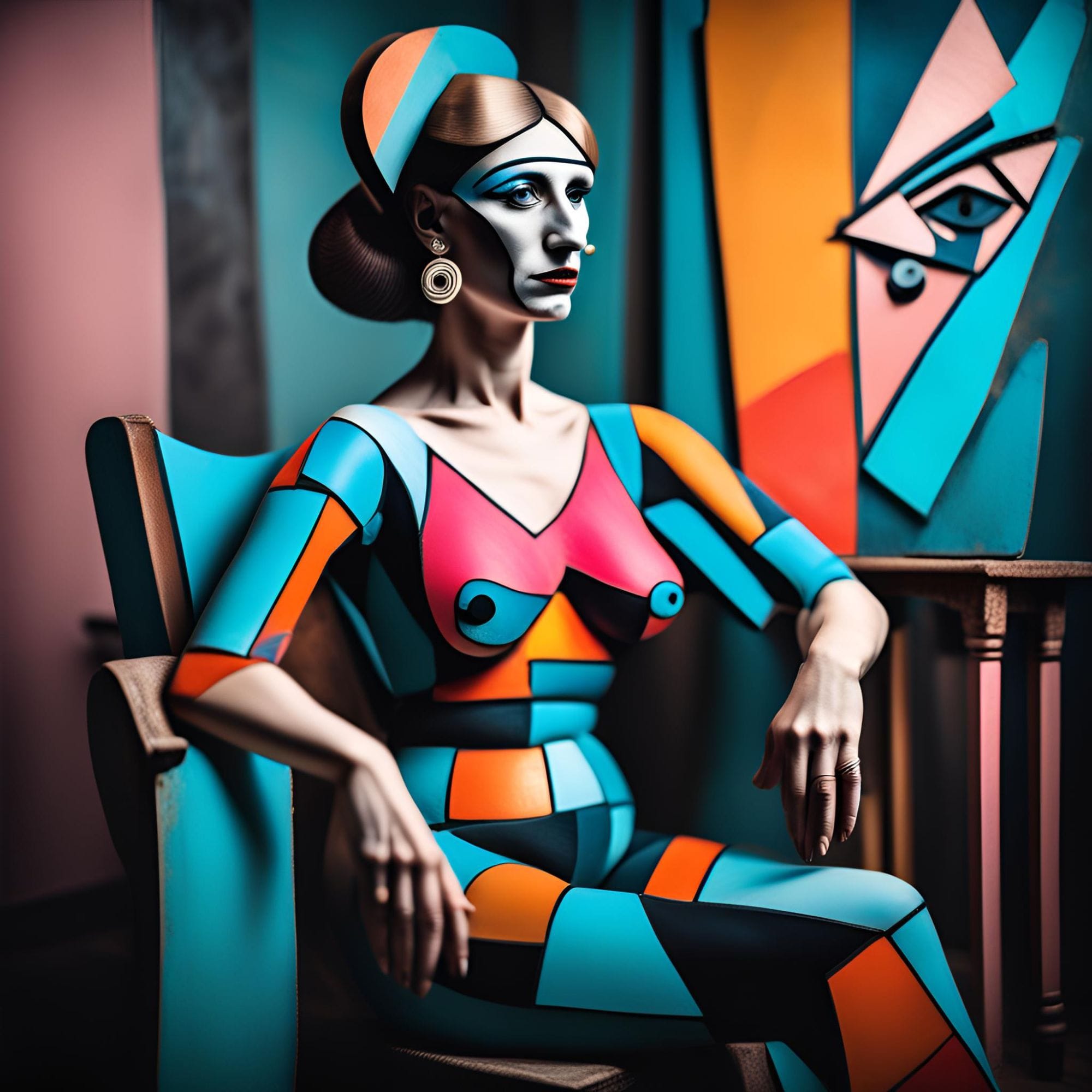
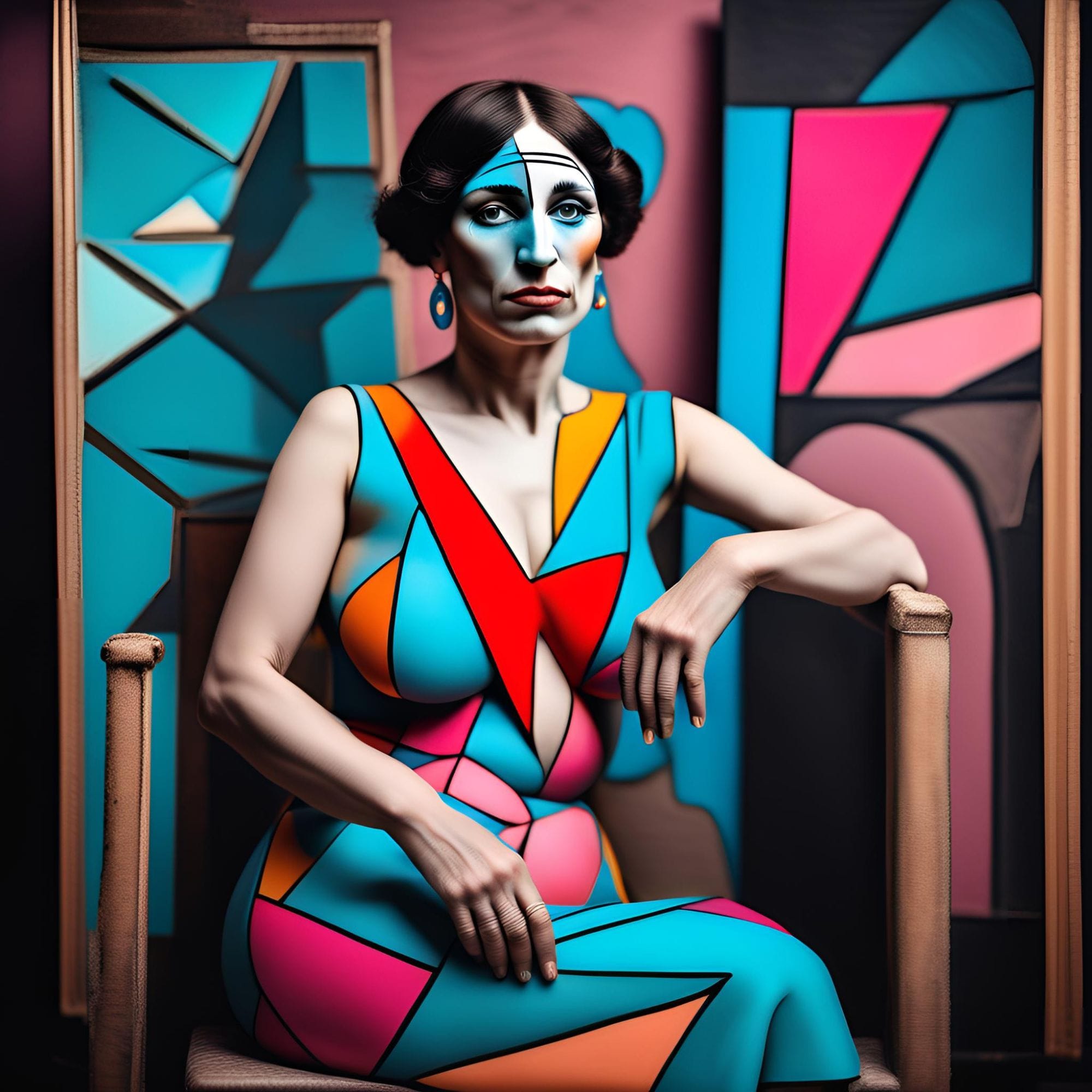
Picasso's "Seated Woman Dora" is a striking example of his innovative approach to form and representation, emblematic of his work during the late 1930s. The composition features Dora Maar seated in a relaxed yet somewhat tense posture, her body angled to one side, which creates a dynamic sense of movement within the static nature of the canvas. The figure is rendered in a fragmented style, using geometric shapes that convey both solidity and fluidity. Picasso's choice to depict Dora with exaggerated proportions and angular features adds emotional intensity, capturing the essence of his muse's complex character.
The background is characterized by bold, intersecting lines and shapes that serve to frame and contrast with Dora's figure. This interplay between figure and background enhances the sense of depth while keeping the viewer’s focus on the subject. The overall composition exhibits a balance between chaos and harmony, a hallmark of Picasso's work during this period.
Use of Color and Form in the Painting
Color plays a pivotal role in "Seated Woman Dora," with Picasso employing a palette dominated by earthy tones and muted hues interspersed with vibrant splashes of color. The dominant shades of ochre, green, and blue create a sense of warmth while also reflecting the emotional turmoil of the era. The use of contrasting colors not only highlights Dora's figure but also symbolizes the duality of her identity as both a muse and a woman grappling with the complexities of love and artistic partnership with Picasso.
The forms in the painting are distinctly Cubist, reflecting Picasso's masterful ability to deconstruct and reinterpret reality. The angular shapes and overlapping planes create a sense of rhythm and movement, inviting the viewer to engage with the painting on multiple levels. This technique encourages a deeper exploration of Dora's character, suggesting layers of emotion and thought that go beyond surface representation.
Interpretation of Themes and Motifs
"Seated Woman Dora" resonates with themes of identity, femininity, and the artist's personal relationship with his subject. Dora Maar was not only Picasso's lover but also an accomplished artist and photographer in her own right. In this painting, Picasso captures the tension between admiration and possession, reflecting the complexities of their relationship. The fragmented style might suggest the multifaceted nature of Dora’s identity, encompassing both her strength and vulnerability.
Additionally, the painting engages with broader themes of the Surrealist movement, which sought to explore the subconscious and the interplay between reality and dream. Picasso's depiction of Dora transcends mere portraiture; it becomes a psychological exploration that reflects the turmoil of the time, especially as Europe was on the brink of war. The emotional depth conveyed through Dora's expression and posture invites viewers to consider their own interpretations of femininity and the often tumultuous relationships between artists and their muses.
In summary, "Seated Woman Dora" stands as a powerful testament to Picasso's artistic prowess. Through its complex composition, thoughtful use of color, and exploration of profound themes, the artwork encapsulates both the essence of Dora Maar and the broader cultural currents of its time.
Impact and Reception
Critical Reception at the Time of Creation
When Picasso unveiled "Seated Woman Dora" in the late 1930s, it elicited a spectrum of responses from critics and art enthusiasts alike. At the time, Picasso was already a towering figure in the art world, yet this particular piece challenged the norms of traditional portraiture. Critics noted the unconventional portrayal of Dora Maar, a muse and lover who had a significant influence on Picasso’s later works. While some praised the work for its bold abstraction and emotional depth, others found it perplexing, struggling to reconcile the fragmentation of form with the subject's identity. The painting was seen as a departure from representational art, reflecting the tumultuous socio-political climate of the era, particularly the rise of Surrealism and the looming threat of World War II.
Influence on Modern Art and Artists
"Seated Woman Dora" has had a profound impact on the trajectory of modern art. Picasso's innovative approach to form and color has inspired countless artists across various movements, from Abstract Expressionism to contemporary art. The painting's exploration of psychological depth and emotional resonance has encouraged artists to delve into their subjects’ inner lives, using abstraction as a means of expression. Influential figures such as Francis Bacon and Jean-Michel Basquiat have drawn from Picasso’s legacy, employing similar tactics of distortion and emotional intensity in their own works. Furthermore, the artwork is often cited in discussions about the evolution of feminist themes in art, as it presents a complex and nuanced representation of a woman, challenging the traditional roles and perceptions of female subjects in painting.
Current Status in Art History and Collections
Today, "Seated Woman Dora" is recognized as a pivotal work in Picasso's oeuvre and a significant piece in the history of modern art. It is housed in prestigious collections, including the Museum of Modern Art in New York, where it continues to attract attention from scholars, art historians, and the general public. The painting is frequently featured in exhibitions that explore the intersections of identity, gender, and modernism. Its relevance endures as it is analyzed not only for its aesthetic qualities but also for its commentary on the psychological complexities of its subject. As art institutions increasingly focus on diverse narratives and the representation of women in art, "Seated Woman Dora" serves as a critical reference point in understanding Picasso’s evolving relationship with his muses and the broader implications of his work in contemporary discourse.
Conclusion
In summary, Picasso's "Seated Woman Dora" stands as a profound testament to the artist's innovative spirit and his complex relationship with Dora Maar. Through our exploration of Picasso's distinctive style, we have seen how this work encapsulates not only the emotional depth of his connection with Maar but also the broader themes of femininity and identity that permeate his oeuvre. The painting's bold visual elements, striking use of color, and layered composition invite viewers to engage with the intricacies of Picasso's artistic vision, shedding light on the personal struggles and societal influences that shaped his work during this pivotal period in his career.
Reflecting on Picasso's legacy through the lens of Dora Maar, we recognize her not merely as a muse but as an integral figure in his artistic journey. The complexities of their relationship, marked by both passion and turmoil, are vividly captured in "Seated Woman Dora," making it a poignant exploration of the intersection between art and life. As we consider the impact of this artwork within the context of modern art, it becomes clear that Picasso's innovative approach has continued to inspire generations of artists, pushing the boundaries of creativity and expression.
Today, "Seated Woman Dora" occupies a significant place in art history, celebrated for its aesthetic brilliance and emotional resonance. It serves as a reminder of the enduring relevance of Picasso's work, encouraging contemporary audiences to reflect on themes of love, identity, and the human experience that remain pertinent in our lives. As we conclude our exploration of this remarkable piece, we gain a deeper appreciation for both Picasso's genius and the extraordinary woman who inspired it, ensuring that the legacy of "Seated Woman Dora" will continue to captivate and provoke thought well into the future.